Skip to main content Skip to search

Posts by Mina Baselyous

Accountant in Melbourne What Business Owners Should Look for Before Switching Firms Pinnacle Accounting & Advisory

Accountant in Melbourne: What Business Owners Should Look for Before Switching Firms 

Before switching accounting firms in Melbourne, check the new firm’s qualifications, whether they offer proactive advice and not just compliance, their communication style, industry experience, and fee structure. The right time to switch is before year end, so your new advisor can plan ahead rather than just clean up.

Choosing the right accountant in Melbourne is a critical decision for business owners. Your accountant is responsible not only for compliance, but also for managing tax exposure, identifying risk, and supporting informed financial decisions. 

Many businesses remain with the same accountant for years, even as operations become more complex. Over time, this can result in missed planning opportunities, limited visibility, and unnecessary ATO exposure. 

If you are considering changing accountants, here is what business owners in Melbourne should assess before making that move. 

Experience as a Business Accountant in Melbourne 

Not every accountant is equipped to support established businesses. Many firms focus on individual tax returns or basic compliance work, which may be insufficient for companies, trusts, or group structures. 

A capable business accountant in Melbourne should: 

  • Work extensively with companies and trusts 
  • Understand director obligations and reporting requirements 
  • Advise on tax implications before decisions are finalised 
  • Identify issues that may attract ATO attention 

If your accountant only contacts you at lodgement time, your business may have outgrown their level of support. 

Understanding ATO Risk and How Business Tax Returns Are Reviewed 

The Australian Taxation Office applies targeted review processes to business tax returns, focusing on areas where errors or inconsistencies commonly occur. 

According to the ATO, business tax returns may be reviewed based on: 

  • Incorrect or inconsistent reporting 
  • GST and PAYG discrepancies 
  • Payroll, superannuation, and director obligations 
  • Poor or incomplete record keeping 

The ATO explains how it assesses business tax returns and identifies risk areas on its official guidance page: 
🔗 https://www.ato.gov.au/business/business-tax-assessment/ 

A professional accountant for business owners should clearly explain where your business sits from a compliance and risk perspective — not leave you guessing. 

For businesses seeking additional protection, Pinnacle Accounting & Advisory provides dedicated 
👉 ATO Audit Support for Businesses 
https://pinnacleaccountingadvisory.com.au/ato-audit-support-for-businesses/ 

Ongoing Compliance Is a Year-Round Responsibility 

The ATO is clear that business owners are responsible for managing their tax obligations throughout the year, not just at tax time. 

The ATO outlines ongoing obligations for businesses, including reporting, payments, and compliance monitoring: 
🔗 https://www.ato.gov.au/business/starting-your-own-business/ongoing-obligations/ 

A reliable business accountant Melbourne businesses depend on should: 

  • Review compliance regularly 
  • Identify issues early 
  • Provide guidance before deadlines become problems 

Reactive accounting limits options and increases risk. 

Record Keeping and ATO Expectations 

ato Pinnacle Accounting & Advisory
Jakarta – August 15,2025: The Australian Taxation Office (ATO) logo signboard. is an Australian statutory agency and the principal revenue collection body for the Australian Government

Accurate record keeping is a major focus area for the ATO and a common cause of penalties during audits or reviews. 

The ATO requires businesses to maintain complete and accurate records to support tax positions: 
🔗 https://www.ato.gov.au/business/record-keeping-for-business/ 

An experienced accountant in Melbourne will: 

  • Ensure records meet ATO standards 
  • Identify gaps before they become issues 
  • Review historical data during transitions 

This becomes especially important when changing accountants, as unresolved record-keeping issues can follow the business. 

GST, Payroll, and Employer Obligations 

GST, PAYG withholding, and superannuation obligations are among the most common compliance risk areas for business owners. 

The ATO provides specific guidance on: 

A knowledgeable business accountant in Melbourne should actively monitor these areas and explain how they affect your business. 

Clear Scope and Transparent Fees 

Business owners should understand exactly what their accountant is responsible for. 

Before switching accountants, ensure the new firm clearly explains: 

  • What services are included 
  • What triggers additional advisory work 
  • How often reviews and meetings occur 

Clear expectations reduce misunderstandings and improve long-term outcomes. 

A Structured Transition When Changing Accountants 

Changing accountants does not need to disrupt your business. A professional Melbourne business accountant will manage the transition by: 

  • Communicating directly with your previous accountant 
  • Securing prior-year records and working papers 
  • Reviewing historical lodgements for exposure 
  • Ensuring all ATO deadlines are met 

This structured approach protects business owners from inheriting unresolved issues. 

Local Knowledge for Melbourne Businesses 

Operating a business in Melbourne comes with industry-specific and regulatory considerations. A local accountant understands: 

  • Victorian payroll and employment obligations 
  • Common ATO focus areas affecting Melbourne businesses 
  • Industry-specific reporting challenges 

Local knowledge strengthens advice and reduces assumptions. 

Business Accounting Services Built for Established Businesses 

At Pinnacle Accounting & Advisory, we work exclusively with business owners who require clarity, control, and reliable advice. 

Our team provides comprehensive 
👉 Business Accounting Services 
https://pinnacleaccountingadvisory.com.au/services/ 

We support businesses with: 

  • Accurate compliance 
  • Risk awareness 
  • Tax planning aligned with business decisions 
  • Ongoing advisory support 

Speak With a Business Accountant in Melbourne 

If you are questioning whether your current accountant is still right for your business, a conversation can provide clarity. 

If you want advice tailored to your business structure, obligations, and future plans, book a meeting with Pinnacle Accounting & Advisory. For dedicated business advisory, explore our business advisory Melbourne page. 

👉 Book a meeting here: 
https://pinnacleaccountingadvisory.com.au/#contact


How much does a business accountant cost in Melbourne?

The cost of a business accountant in Melbourne depends on the size of the business, the structure, and the level of support required. Ongoing business accounting typically costs more than basic compliance work, especially where tax planning and advisory support are involved.

When should I change my accountant?

Business owners usually change accountants when communication is poor, advice is reactive, or the business has grown beyond basic compliance. If you only hear from your accountant at tax time or feel unsure about compliance risk, it may be time to switch.

Can I change accountants in the middle of the year in Australia?

Yes. Business owners can change accountants at any time during the financial year. A professional accountant will manage the transition, obtain prior records, and ensure there are no disruptions to ATO reporting or deadlines.

What should a business accountant do for my company?

A business accountant should manage compliance, review financial reports, identify tax and ATO risks, and provide advice that supports informed decisions. For established businesses, the role goes beyond tax returns and includes ongoing oversight.

General Advice Disclaimer: The information in this article is general in nature and does not constitute personal financial, tax, or legal advice. Your individual circumstances will determine the most appropriate approach for you. Please consult a registered tax adviser or CPA before acting on anything in this article. Liability limited by a scheme approved under Professional Standards Legislation.

Frequently Asked Questions

What should I look for before switching accountants?

Look for proper qualifications (CPA or CA plus tax agent registration), a proactive advisory approach, clear communication, relevant industry experience, and transparent fees. The goal is an advisor who plans ahead, not just one who lodges your returns after the fact.

When is the best time to switch accountants?

The best time is well before 30 June, so your new accountant can do proactive tax planning for the current year rather than inheriting decisions already made. That said, a good firm can take over at any time and manage the handover smoothly.

How do I change accounting firms?

Choose your new firm, sign an engagement, and they will request your records and history from your previous accountant through a standard ethical clearance letter. Most of the administrative work is handled for you, so the switch is usually painless.

Will switching accountants disrupt my business?

Not if handled well. A professional firm manages the transition, obtains your prior records, and gets up to speed quickly. Any short-term effort is far outweighed by the benefit of having a proactive advisor who actually helps your business grow.

This article contains general advice only and does not take into account your specific circumstances. Please speak with a qualified accountant or tax adviser before making financial decisions.

Thinking about switching? Here is how Pinnacle operates as a proactive small business accountant in Melbourne for growing businesses.

Loading posts…

About Mina Baselyous

Mina Baselyous is a Chartered Tax Advisor (CTA), Certified Practising Accountant (CPA) and Registered Tax Agent based in Melbourne. He founded Pinnacle Accounting & Advisory to give small and medium business owners the proactive, strategic advice most accountants never offer. Read Mina’s full profile and credentials.

LinkedIn  |  Instagram

Read more
Accountant reviewing financial documents and BAS lodgement paperwork

Why Your Accountant, Not Your Bookkeeper, Should Lodge Your BAS

Your accountant, not just your bookkeeper, should review and lodge your BAS because they can catch GST coding errors, ensure the numbers align with your overall tax position, and spot planning opportunities a bookkeeper may miss. An incorrect BAS can trigger ATO attention, so the extra oversight protects you.

When it comes to lodging your Business Activity Statement (BAS) or Instalment Activity Statement (IAS), many business owners assume their bookkeeper can handle it. While a bookkeeper in Melbourne plays an essential role in maintaining accurate records, lodging your BAS is more than just reporting numbers from your accounting software. 

It requires tax judgment, interpretation of ATO rules, and a deep understanding of how GST, PAYG withholding, PAYG instalments, income tax, depreciation, and FBT reimbursements all interact. 

If you want to avoid ATO issues, overpaying tax, or incorrect PAYG instalments, your accountant in Melbourne is better placed to lodge your BAS correctly and strategically. 

BAS vs IAS – It’s Not Just Data Entry


businesswomen reviewing results Pinnacle Accounting & Advisory

Your BAS reports: 

  • GST collected and paid 
  • PAYG withholding 
  • PAYG instalments 
  • Other tax obligations 

Your IAS typically reports PAYG withholding and PAYG instalments (without GST). 

While bookkeeping ensures your transactions are recorded properly, BAS and IAS lodgements require interpretation of tax law, particularly under ATO guidelines. 

An accountant understands: 

  • The correct classification of transactions 
  • How adjustments affect your income tax position 
  • How PAYG instalments relate to projected annual profit 
  • How to manage compliance within the tax agent portal 

This goes well beyond processing receipts. 

Adjusting IAS Requires Income Tax Expertise 

One of the biggest risks in letting a bookkeeper lodge your IAS is incorrect PAYG instalments. 

PAYG instalments are based on your expected taxable income for the year, not simply your cash flow or bookkeeping profit. 

Your accountant will consider: 

  • Depreciation adjustments 
  • Temporary vs permanent differences 
  • Non-deductible expenses 
  • Timing of income recognition 
  • Prior year losses 
  • Changes in company structure in Australia 
  • Distributions from a family trust Australia 

For example: 

Depreciation 

Bookkeeping software may not reflect correct tax depreciation. Your accountant applies ATO rules on: 

  • Instant asset write-offs 
  • Small business depreciation pools 
  • Temporary full expensing 
  • Division 40 and Division 43 rules 

These adjustments impact your taxable income, and therefore your PAYG instalment calculation. 

A bookkeeper may report accounting profit. 
An accountant calculates taxable profit

That difference can mean thousands of dollars in overpaid or underpaid tax. 

Please add links to other already posted blogs 

FBT Reimbursements and BAS Complexity 

Fringe Benefits Tax (FBT) is another area where BAS lodgement requires tax knowledge. 

Reimbursements for: 

  • Employee travel 
  • Motor vehicle use 
  • Entertainment 
  • Expense payments 

may trigger FBT obligations. 

FBT affects: 

  • Reportable fringe benefits 
  • PAYG withholding 
  • Deductibility 
  • GST credits 

An accountant understands how FBT integrates with: 

  • Your income tax return Australia 
  • Your BAS reporting 
  • Your payroll setup 
  • Your overall tax deduction strategy 

This prevents incorrect claims and avoids ATO scrutiny. 

Your Accountant Understands the Bigger Tax Picture 

A BAS is not isolated from your tax return Australia

Your accountant considers: 

  • Current year profit trends 
  • Tax brackets ATO 
  • Tax marginal rates 
  • Company or trust tax rates 
  • Family trust distribution tax 
  • Changes in tax law 

For example: 

If your business profit has increased significantly, your accountant may recommend increasing PAYG instalments to avoid a large tax bill at year-end. 

If profit has dropped, they may vary instalments to protect your cash flow, legally and strategically. 

This proactive approach helps you: 

  • Avoid tax debt 
  • Avoid ATO penalties 
  • Improve cash flow management 
  • Plan your tax refund or tax payable position 

Bookkeeping Profit vs Taxable Income 

Here’s where many business owners get caught. 

Your bookkeeping software shows “profit.” 

But that is accounting profit, not taxable income. 

Differences may include: 

  • Depreciation adjustments 
  • Private expenses incorrectly coded 
  • Non-deductible entertainment 
  • Motor vehicle logbook adjustments 
  • Loan repayments vs deductible interest 
  • Timing differences 

Your accountant adjusts these before determining: 

  • The correct PAYG instalment 
  • Estimated annual tax 
  • Tax deduction eligibility 
  • Tax return strategy 

This ensures accuracy across: 

  • BAS 
  • IAS 
  • Annual tax return 
  • Financial statements 

Avoiding ATO Penalties and Interest 

The ATO imposes: 

  • General Interest Charges (GIC) 
  • Failure to lodge penalties 
  • Incorrect PAYG instalment penalties 

If PAYG instalments are incorrectly varied without reasonable basis, penalties may apply. 

An experienced accountant Melbourne tax return specialist understands: 

  • How to justify PAYG variations 
  • How to document reasonable estimates 
  • How to communicate via the tax agent portal 
  • How to manage ATO compliance risks 

Bookkeepers are not registered tax agents unless separately qualified. 

Only registered tax agents can legally provide tax advice. 

Structure Matters: Company vs Family Trust 

Your BAS strategy also depends on your company structure in Australia

Are you operating as: 

  • Sole trader 
  • Company 
  • Family trust Australia 
  • Hybrid structure 

For example: 

Family trust distributions affect: 

  • Beneficiary tax rates 
  • PAYG instalment obligations 
  • Income tax payable 
  • Tax deduction planning 

An accountant considers: 

  • Family trust tax benefits 
  • Family trust distribution tax implications 
  • Dividend planning 
  • Director loans 
  • Division 7A issues 

A bookkeeper generally does not advise on structure or tax optimisation. 

Strategic Tax Planning vs Compliance 

Bookkeeping is transactional. 

Accounting is strategic. 

When your accountant lodges your BAS, they assess: 

  • Whether you’re on track for a tax refund 
  • Whether additional tax deductions can be implemented 
  • Whether super contributions should be increased 
  • Whether asset purchases should be timed 
  • Whether tax instalments need adjusting 

They also monitor: 

  • Tax deduction list opportunities 
  • Rental property tax deduction issues 
  • Work-related tax deduction compliance 
  • Motor vehicle and phone tax deduction claims 

BAS becomes part of your overall tax plan, not just a quarterly obligation. 

Cash Flow Protection 

Many business owners ask: 

“How much tax do you get back in Australia?” 
or 
“How much tax will I owe?” 

Your accountant uses BAS data to forecast: 

  • Estimated annual taxable income 
  • Tax payable based on tax marginal rates 
  • Instalment requirements 
  • Expected tax refund 

This allows for better budgeting and business planning. 

The Risk of Getting It Wrong 

Common BAS errors when lodged without tax oversight: 

  • Incorrect GST coding 
  • Overclaimed GST credits 
  • Underreported PAYG withholding 
  • Incorrect PAYG instalment variation 
  • Missing FBT implications 
  • Incorrect classification of capital assets 

These mistakes may not appear immediately, but can trigger audits or adjustments during your tax return Australia process. 

Fixing errors later is far more expensive than getting it right upfront. 

The Bottom Line 

Your bookkeeper in Melbourne plays a vital role in maintaining clean financial records. 

But your BAS and IAS lodgements require: 

  • Tax law knowledge 
  • ATO compliance expertise 
  • Understanding of depreciation rules 
  • FBT integration 
  • Income tax forecasting 
  • Structure-specific strategy 
  • PAYG instalment management 

Your accountant in Melbourne is trained and registered to provide tax advice, not just report numbers. 

When your accountant lodges your BAS: 

  • Your IAS reflects accurate taxable income 
  • Your PAYG instalments are calculated strategically 
  • Your depreciation is applied correctly 
  • Your FBT reimbursements are handled properly 
  • Your income tax return Australia is aligned with your quarterly reporting 

In short — your BAS becomes part of a comprehensive tax strategy, not just a compliance task. 

Need Professional BAS Lodgement Support? 

If you want accurate reporting, strategic PAYG management, and confidence dealing with the ATO, speak to a qualified accountant Melbourne tax return specialist today. 

Because when it comes to tax, accuracy isn’t optional. 

👉 https://pinnacleaccountingadvisory.com.au/#contact 

Can a bookkeeper legally lodge my BAS in Australia?

Yes, a registered BAS agent or bookkeeper can legally lodge your BAS if they are registered with the Tax Practitioners Board (TPB). However, they are limited to BAS-related services and cannot provide full income tax advice unless they are also a registered tax agent. If your BAS involves PAYG instalment variations, depreciation adjustments, Fringe Benefits Tax (FBT) considerations, or broader tax planning decisions, a registered accountant in Melbourne who is also a tax agent is better equipped to ensure compliance with ATO requirements and to align your BAS with your overall tax return strategy.

Why should my accountant adjust my PAYG instalments instead of my bookkeeper?

PAYG instalments are calculated based on your expected taxable income, not simply the profit shown in your bookkeeping software. An accountant considers tax depreciation rules, non-deductible expenses, prior year losses, FBT reimbursements, and changes in your business structure such as operating through a company or family trust in Australia. Adjusting PAYG instalments without a proper understanding of income tax law can result in ATO penalties and interest. Your accountant ensures the instalment amount reflects your true projected tax liability and supports better cash flow planning.

How does depreciation affect my BAS or IAS?

Depreciation directly impacts your taxable income, which in turn affects your PAYG instalment obligations reported through your IAS. While accounting software may calculate depreciation for financial reporting purposes, tax depreciation must follow ATO legislation, including instant asset write-off rules, small business depreciation pools, and temporary full expensing provisions where applicable. These tax adjustments can significantly change your estimated annual income tax position and influence how much tax you will owe or potentially receive as a tax refund when lodging your income tax return in Australia.

What happens if my BAS is lodged incorrectly?

If your BAS is lodged incorrectly, you may face ATO penalties, General Interest Charges, underpaid PAYG instalments, or GST review risks. Errors in quarterly reporting can also flow through to your annual income tax return, creating further complications and potential amendments. Having your BAS prepared or reviewed by an experienced accountant in Melbourne ensures compliance with current tax laws, accurate reporting, and alignment with your broader tax planning strategy, reducing the risk of unexpected tax liabilities.

General Advice Disclaimer: The information in this article is general in nature and does not constitute personal financial, tax, or legal advice. Your individual circumstances will determine the most appropriate approach for you. Please consult a registered tax adviser or CPA before acting on anything in this article. Liability limited by a scheme approved under Professional Standards Legislation.

Frequently Asked Questions

Should my accountant or bookkeeper lodge my BAS?

Ideally your accountant reviews and lodges the BAS, or at least checks it before your bookkeeper lodges. An accountant can catch GST coding errors, reconcile the BAS to your overall tax position, and identify issues a bookkeeper focused on data entry may miss.

What is the difference between a bookkeeper and an accountant?

A bookkeeper records daily transactions, reconciles accounts and can prepare BAS. An accountant provides higher-level review, tax advice, structuring and planning. Both are valuable, but the accountant provides the oversight that keeps your compliance and strategy aligned.

What happens if my BAS is wrong?

Errors such as incorrect GST coding can lead to underpaid or overpaid GST, amendments, interest and even ATO review. Because BAS data feeds your annual return, mistakes can compound, which is why accountant oversight is worthwhile.

Can a bookkeeper give tax advice?

A bookkeeper can process transactions and lodge BAS if registered, but providing tax advice and tax planning is the role of a registered tax agent or accountant. For anything beyond bookkeeping, you need appropriately qualified advice.

This article contains general advice only and does not take into account your specific circumstances. Please speak with a qualified accountant or tax adviser before making financial decisions.

Loading posts…

About Mina Baselyous

Mina Baselyous is a Chartered Tax Advisor (CTA), Certified Practising Accountant (CPA) and Registered Tax Agent based in Melbourne. He founded Pinnacle Accounting & Advisory to give small and medium business owners the proactive, strategic advice most accountants never offer. Read Mina’s full profile and credentials.

LinkedIn  |  Instagram

Read more
What Are the Biggest Tax Mistakes People Make in Australia 1 1 Pinnacle Accounting & Advisory

What Are the Biggest Tax Mistakes People Make in Australia? 

The biggest tax mistakes Australians make include poor record keeping, missing deductions, lodging late, using the wrong business structure, forgetting to set aside money for tax, and only seeing their accountant at tax time. Most are avoidable with accurate records and proactive advice through the year.

Every year, thousands of Australians unknowingly make tax mistakes that cost them money, delay refunds, or trigger unnecessary ATO reviews. 

mistake on tax return in australia Pinnacle Accounting & Advisory

Most of these errors aren’t intentional, they usually happen because tax rules are misunderstood, assumptions are made, or people rely on software without fully understanding their situation. 

They can also provide insights into tax planning strategies that align with your financial goals, ultimately leading to better financial outcomes.

In this article, we break down the biggest tax mistakes people make in Australia, why they happen, and how working with a trusted Accountant in Melbourne can help you avoid them. 

Furthermore, consider utilizing financial management software that can assist in tracking expenses and generating reports, making tax preparation smoother.

Understanding the full scope of deductions available is paramount. Meeting with a tax advisor can reveal opportunities you might have otherwise overlooked.

For example, many small business owners are not aware of the potential deductions related to their home office setup, which could lead to significant savings.

Moreover, exploring education and training expenses relevant to your profession could also yield further deductions that contribute to your overall financial health.

It’s essential to keep abreast of allowable deductions, as they can change annually based on new tax regulations.

Additionally, understanding the limitations and legalities surrounding these deductions can help avoid potential pitfalls during audits.

1. Assuming “Free” Means “Correct” 

When considering car expenses, for instance, ensuring you keep detailed logs of usage can substantiate your claims during potential audits.

Networking with other professionals in your industry can also enhance your understanding of common tax pitfalls and solutions that may be relevant to your specific situation.

One of the most common mistakes is assuming that using myTax or other online tools guarantees a correct return. 

Moreover, the distinction between personal and business use should be clearly defined to avoid complications.

While myTax is free and useful for simple situations, it: 

  • Doesn’t tell you what deductions you could be claiming 
  • Relies entirely on the information you enter 
  • Doesn’t provide personalised tax planning 

Many people miss legitimate deductions simply because they didn’t know they applied. 

2. Overclaiming Work-Related Deductions 

Being aware of tax credits and rebates available to you can further enhance your financial health, making it worthwhile to explore these options thoroughly.

On the other end of the spectrum, some people overclaim deductions — especially for: 

  • Car or vehicle expenses 
  • Home office claims 
  • Phone and internet usage 
  • Uniform and laundry expenses 

Furthermore, double-checking your income declarations against bank statements and other records can prevent discrepancies.

The ATO closely monitors these areas. Claiming amounts that aren’t reasonable or work-related is one of the fastest ways to attract attention.

Additionally, maintaining an organized log of your income sources throughout the year can simplify the reporting process.

3. Claiming the $300 “No Receipt” Rule Incorrectly 

For investment income, ensuring you report gains and losses accurately is crucial, particularly when it comes to capital gains tax.

The $300 tax deduction without receipts rule is widely misunderstood. 

For example, engaging in charitable donations can not only contribute to your community but may also result in tax deductions that benefit your overall tax position.

Missing these declarations can lead to significant penalties, as the ATO has robust data matching capabilities.

To stay compliant, consider consulting a tax accountant who can guide you on the proper reporting of diverse income streams.

Moreover, understanding which income sources are taxable and which are not can save you from potential issues later.

Identifying all available deductions is equally essential to maximizing your tax position. This includes keeping abreast of eligible expenses that can significantly lower your taxable income.

For instance, understanding the deductions related to education and skills development can also provide tax relief.

Common mistakes include: 

  • Automatically claiming the full $300 every year 
  • Claiming personal expenses as work-related 
  • Assuming receipts are never required 

With high-value items, understanding their depreciation schedule can further enhance your tax deductions.

While receipts aren’t needed up to $300, you must still be able to explain how the claim was calculated and how it relates to your job. 

Also, personal superannuation contributions can be an effective way to not only save for retirement but also reduce your taxable income.

Many people are unaware of the nuances surrounding super contributions and their potential tax advantages.

Moreover, discussing personal super contributions with your accountant can ensure that you’re leveraging all available strategies.

Be mindful that mixing personal and business expenses can complicate financial reporting and affect deductions.

Establishing a clear separation between personal and business transactions is critical to maintaining accurate records.

Using dedicated accounts for business transactions can simplify this process significantly.

4. Forgetting to Declare All Income 

Maintaining organized records can also facilitate smoother audits and clarify claim validity.

Another major issue is failing to declare all sources of income, including: 

  • Side hustles or freelance work 
  • Second jobs 
  • Investment income in Australia and overseas 
  • Rental income 

With increased data matching, the ATO often already has this information. Leaving it out can result in amended returns and penalties. 

5. Missing Legitimate Deductions 

By focusing on tax planning, you can position yourself for long-term success rather than short-term solutions.

The benefits of working with a knowledgeable accountant extend beyond compliance; they can create a financial roadmap tailored to your unique circumstances.

This roadmap not only emphasizes current deductions but also anticipates future changes that can impact your financial landscape.

Many Australians underclaim simply because they don’t know what’s available to them. 

With tax laws frequently changing, having an accountant who can interpret these changes in your favor is invaluable.

Commonly missed deductions include: 

  • Home office expenses 
  • Work-related travel 
  • Income protection insurance 
  • Personal superannuation contributions 
  • Depreciation on work equipment 

A professional tax accountant can often identify deductions that don’t appear obvious at first glance

6. Mixing Personal and Business Expenses 

For sole traders and small business owners, this is a big one. 

Mixing personal and business expenses without clear records can lead to: 

  • Disallowed deductions 
  • Poor cash flow tracking 
  • ATO compliance issues 

Keeping clean records and getting advice early can save a lot of stress later. 

7. Lodging Without Reviewing or Planning Ahead 

Many people treat tax as a once-a-year task rather than an ongoing strategy. 

Lodging without tax planning can mean: 

  • Paying more tax than necessary 
  • Missing timing opportunities 
  • No strategy for the next financial year 

Good tax outcomes are usually planned before 30 June — not after. 

Why Work With an Accountant in Melbourne? 

Tax laws change frequently, and generic advice doesn’t suit everyone. A local Accountant in Melbourne understands: 

  • Current ATO focus areas 
  • Industry-specific deductions 
  • How to reduce tax legally and sustainably

At Pinnacle Accounting & Advisory, we work with individuals and businesses across Melbourne and nearby suburbs including:
Dandenong, Cranbourne, Berwick, Narre Warren, Keysborough, Springvale, Pakenham, Officer, Endeavour Hills, Hallam

Contact us: https://pinnacleaccountingadvisory.com.au/#contact 

What is the most common tax mistake people make in Australia?

One of the most common mistakes is either overclaiming or underclaiming deductions. Many people claim amounts that aren’t fully work-related, while others miss deductions they’re legitimately entitled to.

Can using myTax lead to tax mistakes?

myTax works well for simple tax returns, but it doesn’t provide personalised advice. People often miss deductions or make incorrect claims because the system only processes the information entered, rather than reviewing what should be included.

Does the ATO check small tax returns?

Yes. The ATO uses data matching and benchmarks to review tax returns of all sizes. Even small errors can result in amended returns or follow-up questions.

Is it risky to claim the $300 deduction without receipts?

It can be if it’s done incorrectly. You must still be able to explain how the expenses were calculated and how they relate to your work. Automatically claiming the full $300 each year can raise red flags.

Related Reading

General Advice Disclaimer: The information in this article is general in nature and does not constitute personal financial, tax, or legal advice. Your individual circumstances will determine the most appropriate approach for you. Please consult a registered tax adviser or CPA before acting on anything in this article. Liability limited by a scheme approved under Professional Standards Legislation.

Frequently Asked Questions

What are the most common tax mistakes in Australia?

Common mistakes include poor or missing records, claiming deductions incorrectly or missing them entirely, lodging late, using an unsuitable structure, not setting money aside for tax, and only engaging an accountant at year end when it is too late to plan.

What happens if I make a mistake on my tax return?

The ATO can amend your assessment, recover any shortfall with interest, and apply penalties depending on whether the error was careless or deliberate. Making a voluntary disclosure before the ATO finds an error usually reduces the penalties that apply.

How can I avoid tax mistakes?

Keep accurate records year-round, understand what you can and cannot claim, lodge on time, set aside money for tax as you go, and get proactive advice from a registered tax agent rather than leaving everything to the last minute.

Is using the wrong business structure a costly mistake?

Yes. The wrong structure can mean paying more tax than necessary, weaker asset protection, and expensive restructuring later. Reviewing your structure as your business grows is one of the most valuable things a proactive accountant does.

This article contains general advice only and does not take into account your specific circumstances. Please speak with a qualified accountant or tax adviser before making financial decisions.

Avoiding these mistakes starts with the right tax accountant in Melbourne who plans ahead, not just at lodgement.

Loading posts…

About Mina Baselyous

Mina Baselyous is a Chartered Tax Advisor (CTA), Certified Practising Accountant (CPA) and Registered Tax Agent based in Melbourne. He founded Pinnacle Accounting & Advisory to give small and medium business owners the proactive, strategic advice most accountants never offer. Read Mina’s full profile and credentials.

LinkedIn  |  Instagram

Read more
How Much Does myTax Cost in Australia Pinnacle Accounting & Advisory

How Much Does myTax Cost in Australia? 

myTax is the ATO’s free online tool for individuals to lodge their own tax return through myGov, so it costs nothing to use. However, it does not provide advice, does not catch missed deductions, and is not suited to business or complex affairs, where a tax agent usually saves more than they cost.

One of the most common questions Australians ask during tax season is: 
“How much does tax actually cost?” 

mytax 1 Pinnacle Accounting & Advisory

If you’re lodging your tax return online through the Australian Taxation Office (ATO), the short answer is myTax is free. However, whether it’s the best or most cost-effective option depends on your situation.

In this guide, we explain what myTax is, what it costs, and when speaking to an Accountant in Melbourne may actually save you more money and set you up for a better future with wealth creation insights

What Is myTax? 

myTax is the ATO’s free online system that allows individuals to lodge their tax returns through myGov. It’s designed for people with simple tax affairs, such as: 

  • Salary and wage income 
  • Interest from bank accounts 
  • Basic work-related tax deductions reported on income statement 

Because it’s government-run, there is no direct cost to lodge using it. 

So, How Much Does myTax Cost? 

👉 myTax costs $0 to lodge 
There is no lodgement fee, subscription, or hidden charge. 

However, “free” doesn’t always mean “best value”. 

  • Missed tax deductions 
  • Incorrect claims 
  • Time spent understanding tax rules 
  • ATO amendments or reviews later 
  • Growth opportunities missed 

When tax Is Usually Enough 

australian tax residency 1 Pinnacle Accounting & Advisory

Using myTax may be suitable if you: 

  • Are a salary or wage earner 
  • Have one employer 
  • Have no investments or rental properties 
  • Claim only basic deductions (phone, uniform, small home office) 
  • Don’t need tax planning advice 
  • Don’t care about growing their wealth 

When myTax May Cost You More in the Long Run 

  • Work-related car or vehicle expenses 
  • Home office deductions 
  • Investment income 
  • Rental properties 
  • Business or sole trader income 
  • Superannuation contribution deductions 
  • Multiple income sources 

The system doesn’t tell you what else you could be claiming — it only processes what you enter. 

This is where working with a qualified tax accountant in Melbourne can make a significant difference. 

How Much Does an Accountant Cost Compared to myTax? 

While myTax is free, accountant fees typically range depending on complexity. The good news is: 

  • Accounting fees are tax deductible 
  • A good accountant often helps you claim more than their fee
  • You get peace of mind and ATO compliance 
  • You get advice to grow your wealth 

For many Melbourne taxpayers, the net cost of using an accountant ends up being lower than using it alone

Visit our page for infomation: https://pinnacleaccountingadvisory.com.au/ 

Common Mistakes People Make Using tax 

Some of the most common issues we see include: 

  • Underclaiming work-related deductions 
  • Incorrect car expense methods 
  • Missing home office claims 
  • Claiming deductions without proper justification 
  • Errors that trigger ATO reviews 

These mistakes can result in reduced refunds or amended tax returns. 

Why Speak to an Accountant in Melbourne? 

Local knowledge matters. A professional Accountant in Melbourne understands the nuances of the system: 

  • Current ATO focus areas 
  • How to maximise claims while staying compliant 
  • Tax planning strategies beyond simple lodgement 

At Pinnacle Accounting & Advisory, we assist individuals and businesses across Melbourne and nearby suburbs, including: Dandenong, Cranbourne, Berwick, Narre Warren, Keysborough, Springvale, Pakenham, Officer, Endeavour Hills, Hallam

Is myTax really free?

Yes. Lodging your tax return through myTax via myGov is completely free.

Is myTax really free?

Yes. Lodging your tax return through myTax via myGov is completely free.

Is using an accountant safer than myTax?

For simple returns, tax can be sufficient. For more complex situations, an accountant provides expertise, accuracy, and risk reduction.

Can an accountant lodge my return through myTax?

Registered tax agents lodge returns through professional ATO systems, not myTax, and handle correspondence with the ATO on your behalf.

General Advice Disclaimer: The information in this article is general in nature and does not constitute personal financial, tax, or legal advice. Your individual circumstances will determine the most appropriate approach for you. Please consult a registered tax adviser or CPA before acting on anything in this article. Liability limited by a scheme approved under Professional Standards Legislation.

Frequently Asked Questions

How much does myTax cost?

myTax is free. It is the ATO’s online lodgement tool for individuals, accessed through myGov, with no charge to prepare and lodge your own return. The trade-off is that it provides no advice and will not tell you about deductions or strategies you may have missed.

Is myTax better than using an accountant?

myTax suits simple individual returns with straightforward income and few deductions. For business, investments, or anyone wanting to maximise deductions and plan tax, an accountant usually saves more than the fee costs and reduces the risk of errors and ATO issues.

Can I use myTax for my business?

Sole traders can report business income through myTax, but it does not handle companies or trusts and offers no advice on structure, deductions or planning. Most business owners are better served by a registered tax agent who understands their affairs.

Are tax agent fees worth it compared with myTax?

For anything beyond a simple return, usually yes. Tax agent fees are deductible, and a good agent finds deductions, plans tax and avoids mistakes that typically outweigh the cost. myTax saves the fee but not the missed opportunities.

This article contains general advice only and does not take into account your specific circumstances. Please speak with a qualified accountant or tax adviser before making financial decisions.

Loading posts…

About Mina Baselyous

Mina Baselyous is a Chartered Tax Advisor (CTA), Certified Practising Accountant (CPA) and Registered Tax Agent based in Melbourne. He founded Pinnacle Accounting & Advisory to give small and medium business owners the proactive, strategic advice most accountants never offer. Read Mina’s full profile and credentials.

LinkedIn  |  Instagram

Read more
Can You Claim a 300 Tax Deduction Without Receipts in Australia Pinnacle Accounting & Advisory

Can You Claim a $300 Tax Deduction Without Receipts in Australia? 

You can claim up to $300 in total work-related expenses without receipts in Australia, provided the expenses are genuine, work-related, and you can show how you worked them out. This is a total cap across all such claims, not $300 per item, and once you exceed $300 you need written evidence for the whole amount.

Every tax season, one question comes up again and again with Australian taxpayers: 
Can I claim a $300 tax deduction without receipts? 

AdobeStock 249973140 Pinnacle Accounting & Advisory
Tax deduction written on a piece of paper.

The answer is yes, but only under specific ATO rules

Many individuals across Melbourne and surrounding suburbs misunderstand this rule and either underclaim or overclaim. In this article, we break down how the $300 tax deduction works, what you can legitimately claim, and when it’s best to seek advice from a trusted Accountant in Melbourne

Understanding the $300 Tax Deduction Rule 

Understanding Tax Deductions in Australia

The Australian Taxation Office (ATO) allows individuals to claim up to $300 in total work-related tax deductions without receipts

This does not mean you automatically receive $300. You must: 

  • Have actually incurred the expense 
  • Ensure it directly relates to earning your income 
  • Be able to explain how you calculated the amount 

The rule exists to simplify small claims, not to replace proper record-keeping. 

What Can Be Claimed Without Receipts? 

Within the $300 limit, common work-related expenses include: 

  • Work-related mobile phone usage 
  • Laundry for compulsory work uniforms 
  • Minor home office expenses 
  • Small work tools or equipment such as a laptop 
  • Short-distance work travel expenses 
  • Minor vehicle or car expenses related to employment 

Even without receipts, claims must be reasonable and consistent with your job. Keeping notes or estimates is strongly recommended. 

What Still Requires Receipts? 

Some deductions always require documentation, regardless of value: 

  • Charity donations and gifts 
  • Rental property deductions 
  • Business tax deductions 
  • Buying a car or business vehicle expenses 
  • Income protection insurance 
  • Mortgage interest and rent 
  • Medical expenses 
  • Personal or business superannuation contributions 

If you’re unsure whether an expense qualifies, this is where professional advice can make a real difference. 

Vehicle and Car Expense Claims 

motor vehicle expenses claims 640w Pinnacle Accounting & Advisory

Vehicle expenses are one of the most commonly reviewed deductions by the ATO. 

While small, work-related car expenses may fall within the $300 limit, larger or regular claims usually require: 

  • Logbooks 
  • Kilometre records 
  • Clear work-related usage calculations 

If your role involves frequent travel, speaking with a tax accountant before lodging is highly recommended. 

Read Relevant Article: https://pinnacleaccountingadvisory.com.au/claim-motor-vehicle-expenses-tax/ 

Why the ATO Reviews These Claims Closely 

The ATO uses benchmarks and data matching to identify unusual tax deduction patterns. Repeatedly claiming the maximum amount without clear justification can increase the risk of a review. 

Online tax deduction calculators can provide estimates, but they don’t assess whether your claim meets ATO compliance standards. 

Read Relevant Article: https://pinnacleaccountingadvisory.com.au/ato-audit-support-for-businesses/ 

Why Choose a Local Accountant in Melbourne? 

be my own accountant Pinnacle Accounting & Advisory

Tax legislation changes regularly, and local knowledge matters. Working with an experienced Accountant in Melbourne ensures your deductions are: 

  • Accurate 
  • Compliant 
  • Maximised within the law 
  • At Pinnacle Accounting & Advisory, we assist clients across Melbourne and nearby suburbs including: 
    Dandenong, Cranbourne, Berwick, Narre Warren, Keysborough, Springvale, Pakenham, Officer, Endeavour Hills, Hallam 

Final Thought 

You can claim up to $300 in work-related tax deductions without receipts, but only if the expenses are real, reasonable, and work-related. When in doubt, professional advice is often the safest deduction you’ll ever claim. 

Contact us: https://pinnacleaccountingadvisory.com.au/#contact

1. Do NDIS providers have to register for GST?

NDIS providers must register for GST if their annual business turnover reaches $75,000 or more. This threshold applies even if most or all of their NDIS services are GST-free. GST-free income still counts toward the registration threshold. If turnover is below $75,000, registration is optional, but it is important to seek professional advice before registering voluntarily to understand the reporting and compliance obligations involved.

2. Should I charge GST on my NDIS invoices?

Many NDIS-funded supports are GST-free if they are provided to an NDIS participant, are included in the participant’s approved plan, and meet the ATO requirements for GST-free disability services. If your services qualify as GST-free and you are registered for GST, your invoice should show that GST is $0 and clearly state that the supply is GST-free. If you provide taxable services and are registered for GST, you must charge 10% GST and issue a compliant tax invoice. If you are not registered for GST, you cannot charge GST.

3. Do I need to register for PAYG withholding in my NDIS business?

You must register for PAYG withholding if you employ staff and pay them wages. This means you are required to withhold tax from their pay, report through Single Touch Payroll, pay superannuation, and meet Fair Work obligations. PAYG withholding generally does not apply to genuine independent contractors, but the working relationship must meet ATO criteria. Misclassifying employees as contractors can result in penalties and back payments.

4. How do I know if my support worker is a contractor or an employee?

The difference depends on the actual working arrangement, not what the contract says. An employee typically works under your direction, cannot delegate their work, and is paid wages with superannuation and PAYG tax withheld. A contractor usually runs their own business, invoices for services, controls how the work is performed, and may delegate tasks. Because the NDIS sector is closely monitored, it is important to assess these arrangements carefully to ensure compliance with ATO and Fair Work rules.

General Advice Disclaimer: The information in this article is general in nature and does not constitute personal financial, tax, or legal advice. Your individual circumstances will determine the most appropriate approach for you. Please consult a registered tax adviser or CPA before acting on anything in this article. Liability limited by a scheme approved under Professional Standards Legislation.

Frequently Asked Questions

Can I claim $300 in deductions without receipts?

Yes. You can claim up to $300 in total work-related expenses without receipts, as long as the expenses are genuinely work-related and you can explain how you calculated them. This is a combined limit across all such claims, not $300 for each item.

Does the $300 limit apply per item or in total?

In total. The $300 threshold is the combined total of work-related expense claims you can make without written evidence. If your total work-related expenses exceed $300, you must keep receipts and records for the entire amount, not just the excess.

What expenses are excluded from the $300 rule?

Car expenses, meal allowance, award transport payments and travel allowance expenses have their own rules and are not covered by the $300 no-receipt threshold. These require their own records, such as a logbook or diary, regardless of the amount claimed.

Do I still need to prove claims under $300?

Yes. Even without receipts, you must have actually incurred the expense, it must be work-related, and you must be able to show how you worked out the claim. The ATO can ask you to explain the basis of any deduction you make.

This article contains general advice only and does not take into account your specific circumstances. Please speak with a qualified accountant or tax adviser before making financial decisions.

Loading posts…

About Mina Baselyous

Mina Baselyous is a Chartered Tax Advisor (CTA), Certified Practising Accountant (CPA) and Registered Tax Agent based in Melbourne. He founded Pinnacle Accounting & Advisory to give small and medium business owners the proactive, strategic advice most accountants never offer. Read Mina’s full profile and credentials.

LinkedIn  |  Instagram

Read more
NDIS GST PAYGW and Contractor vs Employee 1 Pinnacle Accounting & Advisory

NDIS, GST, PAYGW and Contractor vs Employee 

NDIS providers must get three things right: GST (many NDIS supports are GST-free, but not all), PAYG withholding (required once you employ staff), and correctly classifying workers as employees or contractors. Misclassifying an employee as a contractor is one of the most expensive mistakes in the sector, creating back-paid super, PAYG and penalties.

What NDIS Providers and Support Workers Need to Know (Melbourne Guide) 

NDIS Services for Disabled in Australia Pinnacle Accounting & Advisory

If you operate within the disability services space, whether as a support worker, sole trader, company or growing provider, understanding your tax obligations is critical.

Many NDIS businesses are unsure about: 

  • GST registration 
  • Whether invoices should include GST 
  • How PAYG withholding (PAYGW) works 
  • Whether workers should be treated as contractors or employees 
  • How to lodge their tax return correctly 

As experienced accountants in Melbourne, we regularly assist providers with these issues.

This guide explains these concepts in clear, practical terms so you know what is required and when.

1. NDIS and GST – Are Your Services Taxable? 

One of the most common questions we receive as tax accountants in Melbourne is: “Do I need to charge GST on NDIS services?”

Many NDIS-funded supports are GST-free, but not all income earned in the disability sector is automatically GST-free. 

Under ATO rules, disability supports are generally GST-free when: 

  • The service is provided to an NDIS participant 
  • The support is included in the participant’s NDIS plan 
  • There is a written agreement in place 
  • The service qualifies as a GST-free disability support under legislation 

If these conditions are met, you do not charge GST.

However, GST may apply if:

  • You provide services outside of an NDIS plan 
  • You deliver services that do not qualify as GST-free supports 
  • You provide other taxable services (for example training, consulting, or non-NDIS services) 

Incorrect GST treatment can create serious ATO compliance issues. A qualified chartered accountant or CPA accountant with experience can help you determine the correct position.

For NDIS and care businesses

Contractor or employee? Get the structure and compliance right

Misclassifying workers or mishandling GST and PAYG withholding is expensive for NDIS providers. We set up the right structure and systems so your business stays compliant and protected as it grows.

Explore Business Structuring →

Prefer to read up first? Download our guide, 7 Tax Strategies Every $500K+ Business Should Be Using.

2. When Do You Need to Register for GST? 

images 20 Pinnacle Accounting & Advisory

You must register for GST when your annual turnover reaches $75,000 or more.

This applies whether you are: 

  • A sole trader support worker 
  • A company 
  • A partnership 
  • A trust 

Turnover refers to your total business income before expenses.

Important: Even if your NDIS services are GST-free, they still count towards the $75,000 GST registration threshold.

This means many NDIS providers in Melbourne must register for GST even though they may not charge GST on most invoices.

Voluntary GST registration is also possible if turnover is below $75,000, but this should only be done after speaking with a registered tax agent or chartered tax advisor.

3. Should Your Invoices Include GST? 

Whether GST applies depends on:

  1. Are you registered for GST? 
  1. Are your services taxable or GST-free? 

If you are registered and your services are GST-free, your invoice should: state the supply is GST-free and show GST as $0.

If your services are taxable and you are registered: you must charge 10% GST and your invoice must meet ATO tax invoice requirements.

If you are not registered for GST, you cannot charge GST.

4. PAYG Withholding (PAYGW) – When Does It Apply?

Blog images PAYG2 640x337 1 Pinnacle Accounting & Advisory

PAYG withholding applies when you have employees. If you hire staff in your NDIS business, you must register for PAYG withholding, withhold tax from wages, report through Single Touch Payroll, pay withheld amounts to the ATO, and pay superannuation.

PAYGW does not apply to genuine contractors. However, incorrectly classifying workers as contractors can result in unpaid superannuation, backdated PAYG obligations, ATO penalties, and payroll tax exposure.

5. Contractor vs Employee – Why It Matters for NDIS Providers 

The difference between contractor and employee is based on the working relationship — not what you call them.

An employee generally works under your direction and control, uses your systems and processes, cannot delegate work, is paid hourly wages, and receives superannuation.

A contractor generally operates their own business, can delegate work, controls how and when work is performed, has their own insurance, and invoices for services.

The ATO and Fair Work actively review worker classification in the NDIS sector. A chartered accountant or CPA accountant experienced in NDIS businesses can assess your structure and reduce compliance risk.

Why Professional Advice Is Important 

NDIS providers operate in a highly regulated environment where tax, payroll and compliance obligations intersect with ATO regulations, Fair Work legislation, NDIS Commission requirements, and superannuation laws. Getting it wrong can be costly.

If you operate in the NDIS sector and are unsure about your current structure, speak with a qualified tax accountant in Melbourne who understands the sector.

👉 Book a consultation with our team

Want to pay less tax this financial year?

Download our guide: 7 Tax Strategies Every Business Owner Should Know — practical moves you can make right now.

Download the Free Guide

1. Do NDIS providers have to register for GST?

NDIS providers must register for GST if their annual business turnover reaches $75,000 or more. This threshold applies even if most or all of their NDIS services are GST-free. GST-free income still counts toward the registration threshold. If turnover is below $75,000, registration is optional, but it is important to seek professional advice before registering voluntarily to understand the reporting and compliance obligations involved.

2. Should I charge GST on my NDIS invoices?

Many NDIS-funded supports are GST-free if they are provided to an NDIS participant, are included in the participant’s approved plan, and meet the ATO requirements for GST-free disability services. If your services qualify as GST-free and you are registered for GST, your invoice should show that GST is $0 and clearly state that the supply is GST-free. If you provide taxable services and are registered for GST, you must charge 10% GST and issue a compliant tax invoice. If you are not registered for GST, you cannot charge GST.

3. Do I need to register for PAYG withholding in my NDIS business?

You must register for PAYG withholding if you employ staff and pay them wages. This means you are required to withhold tax from their pay, report through Single Touch Payroll, pay superannuation, and meet Fair Work obligations. PAYG withholding generally does not apply to genuine independent contractors, but the working relationship must meet ATO criteria. Misclassifying employees as contractors can result in penalties and back payments.

4. How do I know if my support worker is a contractor or an employee?

The difference depends on the actual working arrangement, not what the contract says. An employee typically works under your direction, cannot delegate their work, and is paid wages with superannuation and PAYG tax withheld. A contractor usually runs their own business, invoices for services, controls how the work is performed, and may delegate tasks. Because the NDIS sector is closely monitored, it is important to assess these arrangements carefully to ensure compliance with ATO and Fair Work rules.

General Advice Disclaimer: The information in this article is general in nature and does not constitute personal financial, tax, or legal advice. Your individual circumstances will determine the most appropriate approach for you. Please consult a registered tax adviser or CPA before acting on anything in this article. Liability limited by a scheme approved under Professional Standards Legislation.

Frequently Asked Questions

Are NDIS services GST-free?

Many NDIS supports are GST-free when the participant has an NDIS plan, the support is listed in the relevant NDIS rules, and there is a written agreement to provide it. Not every support qualifies, so each service you provide must be checked against the GST-free conditions.

When does an NDIS business need to register for GST?

You must register for GST once your turnover reaches $75,000, even if most of your supplies are GST-free. Registering lets you claim GST credits on business purchases while still treating eligible NDIS supports as GST-free to participants.

What is the difference between an employee and a contractor?

It depends on the whole working relationship, not just the label in a contract: the level of control, the ability to delegate, who bears financial risk, who provides tools, and whether the worker genuinely runs their own business. Getting this wrong creates PAYG, super and workers compensation liabilities.

Do I have to pay super to NDIS contractors?

Often yes. If a contractor is paid mainly for their labour, they can be deemed an employee for super purposes even with an ABN, which means the super guarantee applies. Review each arrangement carefully rather than assuming an ABN removes the obligation.

This article contains general advice only and does not take into account your specific circumstances. Please speak with a qualified accountant or tax adviser before making financial decisions.

Loading posts…

About Mina Baselyous

Mina Baselyous is a Chartered Tax Advisor (CTA), Certified Practising Accountant (CPA) and Registered Tax Agent based in Melbourne. He founded Pinnacle Accounting & Advisory to give small and medium business owners the proactive, strategic advice most accountants never offer. Read Mina’s full profile and credentials.

LinkedIn  |  Instagram

Read more
Common Xero Errors That Cause Problems in Business Tax Returns Pinnacle Accounting & Advisory

Common Xero Errors That Cause Problems in Business Tax Returns 

Common Xero errors that cause problems at tax time include unreconciled bank accounts, incorrect GST coding, duplicated transactions, misallocated expenses, and unclaimed bills. These errors distort your reports and can lead to an incorrect BAS and tax return, so regular reconciliation and review are essential to keep your numbers reliable.

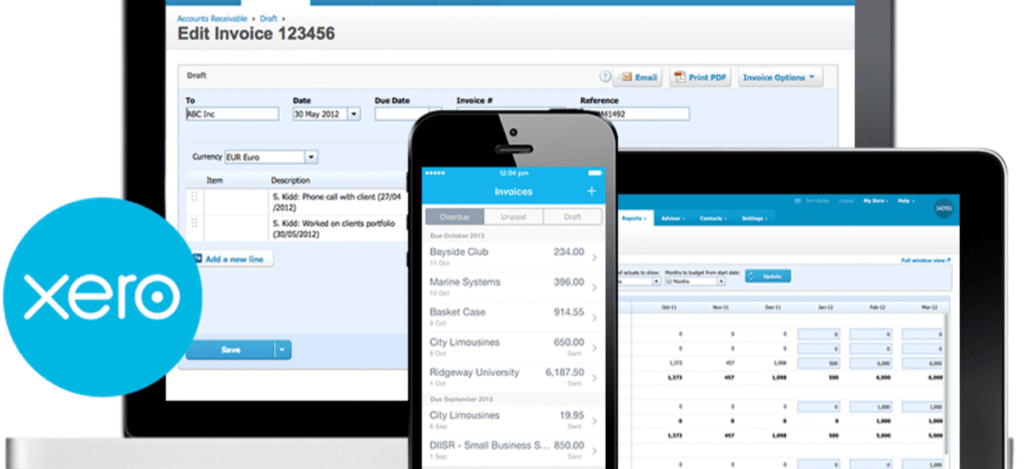
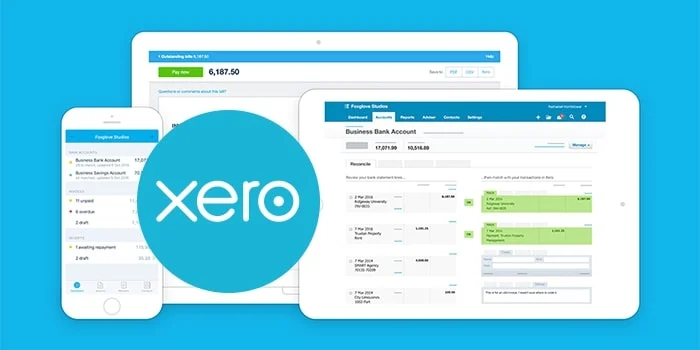
Xero is widely used by business owners because it provides real-time access to financial data. However, using Xero does not guarantee that business tax returns are accurate or compliant with Australian tax law. Many businesses encounter xero errors that impact their financial reporting.

Many ATO issues arise not because businesses use Xero, but because errors inside Xero go unnoticed until tax time, ATO correspondence, or an audit. 

Identifying xero errors early can save businesses from significant tax liabilities.

Understanding and addressing these xero errors is crucial for maintaining compliance and accuracy.

To help prevent xero errors, regular audits can be beneficial.

Below are the most common Xero errors that cause problems in business tax returns, and why accountant oversight remains essential for established businesses. 

Understanding Common Xero Errors

Title 5 1200x550 1 Pinnacle Accounting & Advisory

Many common xero errors can be avoided with proper oversight and review.

1. Incorrect GST Coding in Xero 

GST errors are one of the most frequent issues found in business tax returns prepared from Xero data. 

Common GST problems include: 

  • GST applied when it should not be 
  • GST omitted when it should be included 
  • Transactions coded to incorrect GST categories 

The Australian Taxation Office closely monitors GST reporting and mismatches between BAS lodgements and underlying data. The ATO outlines GST obligations for businesses here: 
🔗 https://www.ato.gov.au/business/gst/ 

Xero errors are avoidable with the right strategies and support.

Xero will record whatever coding is entered — it does not determine whether the GST treatment is correct. 

Staying vigilant about xero errors can strengthen a business’s financial health.

This is a common issue we see when business owners rely solely on software without review, which is also discussed in our guide: 
👉 Do Business Owners Still Need an Accountant If They Use Xero or QuickBooks? 

2. Director Loans and Division 7A Errors 

Without careful monitoring, xero errors can lead to serious financial discrepancies.

Director loans are a major risk area for business owners using Xero. 

Common errors include: 

  • Director loans not correctly classified 
  • Repayments coded incorrectly 
  • Loan balances left outstanding at year-end 

These mistakes can trigger Division 7A consequences, leading to unexpected tax liabilities. 

For a detailed breakdown of how these issues arise and what business owners need to avoid, see our dedicated article: 
👉 Top 5 Critical Division 7A Loan Traps To Avoid 
🔗 https://pinnacleaccountingadvisory.com.au/top-5-division-7a-loan-traps/ 

Xero does not manage Division 7A compliance. This requires professional review before business tax returns are lodged. 

3. Expenses Incorrectly Claimed Through Xero

Utilizing a business accountant can help mitigate xero errors effectively.


Strategies for managing xero errors provide a roadmap for accuracy.

AWOL Xero Main Pinnacle Accounting & Advisory

Xero makes it easy to upload and code expenses, but ease of use increases the risk of incorrect tax treatment. 

Common expense errors include: 

  • Private expenses recorded as business deductions 
  • Capital purchases expensed incorrectly 
  • Motor vehicle and home-related costs misclassified 

The ATO requires expenses claimed in business tax returns to be supported by accurate records and appropriate tax treatment: 
🔗 https://www.ato.gov.au/business/record-keeping-for-business/ 

Incorrect expense treatment can distort profit figures and increase ATO risk. 

Utilizing resources effectively can help resolve xero errors efficiently.

4. Payroll and Superannuation Errors 

Payroll data processed through Xero is another frequent source of compliance problems. 

Errors often involve: 

The consequences of ignoring xero errors can be severe and costly.

Addressing xero errors early can prevent complications down the road.

  • PAYG withholding calculations 
  • Superannuation accruals and payment timing 
  • Reporting inconsistencies 

The ATO places significant emphasis on employer obligations, including payroll and superannuation compliance: 
🔗 https://www.ato.gov.au/business/payg-withholding/ 
🔗 https://www.ato.gov.au/business/super-for-employers/ 

Payroll errors often surface during ATO reviews, even when businesses believe Xero is “handling everything”. 

5. Bank Reconciliation Issues That Go Unnoticed 

Recognizing the signs of xero errors can save businesses from headaches.

Unreconciled transactions in Xero are commonly ignored, particularly in busy businesses. 

Typical issues include: 

  • Duplicate transactions 
  • Missing income or expenses 
  • Unallocated bank items 

These problems result in financial reports that do not reflect actual business activity, increasing the risk of incorrect business tax returns. 

6. Reports That Look Right but Are Wrong 

Xero produces instant profit and loss statements and balance sheets. However, reports are only as reliable as the data behind them. 

Business owners often rely on reports without realising: 

  • Accounts are misclassified 
  • One-off transactions distort results 
  • Historical errors roll forward year after year 

The ATO assesses the accuracy of business tax returns, not the appearance of reports. The ATO explains how it reviews business tax returns and identifies risk areas here: 
🔗 https://www.ato.gov.au/business/business-tax-assessment/ 

This is why many business owners eventually reassess their accounting support, as outlined in our article: 
👉 Accountant in Melbourne: What Business Owners Should Look for Before Switching Firms 

Discovering xero errors in a timely manner is essential for compliance.

Why These Xero Errors Matter for Business Owners 

These issues typically surface: 

  • At tax time 
  • During ATO correspondence 
  • When applying for finance 
  • During business sales or restructures 

At that point, fixing historical errors becomes expensive and time-consuming. 

If you are using Xero and questioning whether software alone is enough, this is covered in detail here: 
👉 Do Business Owners Still Need an Accountant If They Use Xero or QuickBooks? 

How a Business Accountant Reduces Xero-Related Risk 

business accountant in Melbourne working alongside Xero will: 

  • Review system setup and account structure 
  • Check GST, payroll, and Division 7A treatment 

Finding solutions to common xero errors can lead to improved financial accuracy.

  • Identify ATO risk areas early 

Being aware of common xero errors allows business owners to take corrective actions swiftly.

  • Ensure business tax returns are prepared using reliable data 

For businesses dealing with ATO attention, Pinnacle also provides 
👉 ATO Audit Support for Businesses 
https://pinnacleaccountingadvisory.com.au/ato-audit-support-for-businesses/ 

Business Accounting Support for Xero Users 

At Pinnacle Accounting & Advisory, we work with business owners using Xero — but we don’t rely on software alone. 

We provide 
👉 Business Accounting Services 
https://pinnacleaccountingadvisory.com.au/services/ 

Our focus is on: 

  • Accurate compliance 
  • Reduced ATO exposure 
  • Reliable reporting 
  • Informed decision-making 

Xero errors can create complications that impact cash flow and profitability.

Speak With a Business Accountant Before Errors Become Problems 

If you are using Xero and want confidence that your business tax returns are accurate and compliant, early review matters. 

If you want advice tailored to your business structure and obligations, book a meeting with Pinnacle Accounting & Advisory

👉 Book a meeting here: 
https://pinnacleaccountingadvisory.com.au/?_gl=1*v5xim8*_gcl_au*MTQ1NjcwNjg0MC4xNzY0NjMzODA1*_ga*NjQ5NTY4OTMwLjE3NjQ2MzM3OTg.*_ga_7KPK1NE1TV*czE3NzAyNjAwMzEkbzM5JGcxJHQxNzcwMjYwMDM4JGo1MyRsMCRoMA..#contact 

If I use Xero, do I still need an accountant for my business tax return?

Yes. Xero records transactions, but it does not determine whether GST coding, expense treatment, Division 7A compliance, or payroll obligations are correct. Errors in coding or classification can lead to incorrect business tax returns and potential ATO scrutiny. Professional review helps ensure compliance with Australian tax law.

What are the most common GST mistakes in Xero

Common GST errors include applying GST when it should not be applied, failing to include GST when required, and coding transactions to the wrong GST category.
These mistakes often create mismatches between BAS lodgements and underlying financial data, increasing ATO risk.

How can director loan errors in Xero create tax problems?

Director loans that are incorrectly classified, improperly coded, or left outstanding at year-end can trigger Division 7A consequences and unexpected tax liabilities.
Xero does not manage Division 7A compliance, which requires professional oversight before lodging tax returns.

Why can Xero reports look correct but still cause tax issues?

Profit and loss statements and balance sheets generated by Xero are only as accurate as the data entered. Misclassified accounts, unreconciled transactions, and historical errors can distort results, even if reports appear correct. The ATO assesses the accuracy of the tax return itself, not the appearance of accounting reports.

General Advice Disclaimer: The information in this article is general in nature and does not constitute personal financial, tax, or legal advice. Your individual circumstances will determine the most appropriate approach for you. Please consult a registered tax adviser or CPA before acting on anything in this article. Liability limited by a scheme approved under Professional Standards Legislation.

Frequently Asked Questions

What are the most common Xero errors?

Common errors include unreconciled bank transactions, incorrect or inconsistent GST coding, duplicated invoices or bills, expenses coded to the wrong account, and transactions left unallocated. Each of these distorts your financial reports and your tax figures.

How do Xero errors affect my tax return?

Errors flow from your bookkeeping into your BAS and annual tax return, so incorrect GST coding or missing transactions can mean you pay too much or too little tax. Fixing errors before lodging avoids amendments, interest and potential ATO attention.

How do I avoid GST coding errors in Xero?

Set up your chart of accounts with the correct default GST treatment, review the GST on each transaction as you reconcile, and check the Activity Statement report before lodging. Having an accountant review your file periodically catches systematic coding mistakes.

Should I have my Xero file reviewed?

Yes. A periodic review by an accountant catches coding errors, duplicates and unreconciled items before they affect your BAS and tax return. It also ensures your reports are accurate enough to base real business decisions on.

This article contains general advice only and does not take into account your specific circumstances. Please speak with a qualified accountant or tax adviser before making financial decisions.

Loading posts…

About Mina Baselyous

Mina Baselyous is a Chartered Tax Advisor (CTA), Certified Practising Accountant (CPA) and Registered Tax Agent based in Melbourne. He founded Pinnacle Accounting & Advisory to give small and medium business owners the proactive, strategic advice most accountants never offer. Read Mina’s full profile and credentials.

LinkedIn  |  Instagram

Read more
What Is the Most Overlooked Tax Break in Australia 2 Pinnacle Accounting & Advisory

What Is the Most Overlooked Tax Break in Australia? 

Some of the most overlooked tax breaks in Australia include carry-forward super contributions, the small business CGT concessions, depreciation on property and equipment, home office and vehicle claims, and prepaying deductible expenses. Many are missed simply because no one is proactively looking for them.

Ask ten Australians about tax breaks and you’ll usually hear the same answers: work-related expenses, car claims, or the $300 deduction rule. 

Lao PM Announces Tax Break Pinnacle Accounting & Advisory

Tax breaks play an essential role in financial planning for many Australians. Understanding the various options available can lead to substantial savings and better financial health. This article will delve deeper into one of the most overlooked tax breaks that can benefit a wide range of individuals and professionals.

This article will explore how personal super contributions can be leveraged as a tax break, providing clarity for those who may have not considered this option before. We will go through the eligibility criteria, operational details, and the common pitfalls that people face in using this strategy effectively.

With the growing emphasis on retirement savings, being proactive about utilizing tax breaks like this can significantly impact your long-term financial strategy. It’s crucial to understand how much can be saved and the hurdles that can arise if the proper steps aren’t taken.

But in practice, the most overlooked tax break in Australia is the tax deduction for personal superannuation contributions

Superannuation is an essential part of your retirement plan, but many individuals don’t realize that they can make additional contributions beyond what their employer might offer. This personal initiative can maximize your retirement savings and make a significant difference come retirement age.

Every year, thousands of Australians miss out on this powerful, and completely legal, way to reduce their tax bill simply because they don’t realise it applies to them. 

Exploring the Tax Break for Personal Contributions

blog post photo 40 Pinnacle Accounting & Advisory

Many people assume superannuation tax benefits only apply if: 

  • Their employer makes extra contributions, or 
  • They’re self-employed 

Additionally, personal super contributions allow you to take advantage of tax deduction benefits, which can ultimately lower your taxable income. This is especially advantageous for those in higher income brackets where tax rates can be significant.

In reality, most individuals can claim a tax deduction for personal super contributions, provided certain conditions are met. 

This applies to: 

  • Employees 
  • Sole traders 
  • Contractors 
  • People with multiple income sources 

Yet it remains one of the most underused tax strategies in Australia. 

How This Tax Break Works 

If you make a personal contribution to your super fund using after-tax money, you may be able to: 

As we dive deeper, we will explore various scenarios illustrating how personal contributions can be beneficial. For instance, imagine a scenario where an employee with a fluctuating income makes a personal contribution during a profitable year, allowing them to claim a tax deduction and reduce their taxable income.

This strategy not only provides tax relief but also helps in building a nest egg for the future. It’s a win-win situation that more Australians need to consider.

  • Claim the contribution as a tax deduction 
  • Reduce your taxable income 
  • Pay less tax at your marginal rate 
  • Have the contribution taxed at 15% inside super instead 

For many Australians, this can result in thousands of dollars in tax savings

Why This Is Such a Powerful Tax Break 

This strategy is often overlooked because: 

  • It doesn’t happen automatically 
  • myTax doesn’t prompt you to consider it 
  • It requires planning before 30 June 

Moreover, understanding how personal super contributions function can empower individuals to take charge of their financial future. Let’s break down the mechanics further.

Unlike many deductions, this tax break: 

  • Works for both employees and business owners 
  • Doesn’t require receipts for purchases 

Tax time can be overwhelming, and many Australians may not realize they need to consider their superannuation options until it’s too late. Having a proactive approach can alleviate the stress and maximize potential tax breaks.

  • Can be planned in advance 
  • Helps build long-term retirement wealth 

It’s one of the few ways to legally turn tax into savings. 

Common Mistakes People Make 

Tax Deadline 2025 Pinnacle Accounting & Advisory

Despite its benefits, people often: 

  • Miss the 30 June contribution deadline 
  • Forget to submit a Notice of Intent to Claim 
  • Exceed contribution caps 
  • Assume employer contributions are enough 

Without proper guidance, it’s easy to miss or misuse this tax break. 

This proactive planning can help avoid the common mistakes that people make, ensuring that they utilize this tax break to its full potential.

How Much Can You Claim? 

The concessional contribution cap applies (including employer contributions). If you haven’t used your full cap, you may be able to carry forward unused amounts from previous years. 

For instance, many individuals miss out on claiming this deduction simply because they fail to submit their Notice of Intent to Claim. This simple step can unlock significant savings, but it’s often overlooked.

How much you should contribute depends on: 

  • Your income 
  • Existing super contributions 
  • Cash flow 
  • Long-term goals 

This is where personalised advice becomes critical. 

Why Most People Only Discover This Too Late 

Many Australians only learn about this tax break: 

  • After lodging their return 

Moreover, understanding the contribution caps and how they apply is crucial. If someone exceeds these caps, they could face penalties that negate any benefits from their contributions.

Working with a professional can help navigate these complexities and ensure compliance with the regulations. A personalized approach can yield better outcomes and provide peace of mind.

  • When speaking to an accountant years later 
  • When it’s too late to act for that financial year 

Good tax outcomes aren’t accidental, they’re planned. 

Why Speak to an Accountant in Melbourne? 

A local Accountant in Melbourne can help determine whether this tax break applies to you and how to use it correctly. 

At Pinnacle Accounting & Advisory, we help individuals and businesses across Melbourne and nearby suburbs, including Melbourne CBD, Southbank, Docklands, Richmond, Brunswick, Carlton, Footscray, St Kilda, Preston, Essendon, and surrounding areas, identify overlooked tax strategies and plan ahead. 

🔗 https://pinnacleaccountingadvisory.com.au/ 

Final Thought 

The most overlooked tax break in Australia isn’t a loophole or trick, it’s a well-established rule that requires planning

If you wait until tax time, it’s often too late. If you plan early, the savings can be significant. 

Tax breaks often remain undiscovered until it’s too late, emphasizing the importance of consultation and planning throughout the year. A good accountant can provide insights and reminders to keep you on track.

Working with an accountant not only helps identify potential savings but can also provide strategies to optimize your contributions to superannuation and other tax-deductible expenses.

In conclusion, the tax break provided by personal super contributions is an invaluable tool. It requires some effort and knowledge, but the potential savings and benefits for retirement make it well worth the investment of time and energy.

So, if you haven’t considered this option yet, it might be time to talk to a financial advisor or accountant who can guide you through the process. Taking advantage of this tax break can secure a better financial future.

What is the most overlooked tax break in Australia?

One of the most overlooked tax breaks is the tax deduction for personal superannuation contributions. Many Australians don’t realise they can make their own contributions to super and claim them as a tax deduction, even if they’re employees.

Who can claim a tax deduction for personal super contributions?

Most individuals can claim this deduction, including employees, sole traders, contractors, and people with multiple income sources, provided they meet eligibility rules and submit the required notice to their super fund.

When do I need to act to use this tax break?

You must make the contribution before 30 June and lodge a Notice of Intent to Claim with your super fund before submitting your tax return. If you miss the deadline, the opportunity is lost for that financial year.

Is this tax break worth speaking to an accountant about?

Yes. The amount you can claim depends on contribution caps, your income, and existing employer contributions. A qualified accountant can help ensure the strategy is used correctly and delivers real tax savings without breaching ATO rules.

General Advice Disclaimer: The information in this article is general in nature and does not constitute personal financial, tax, or legal advice. Your individual circumstances will determine the most appropriate approach for you. Please consult a registered tax adviser or CPA before acting on anything in this article. Liability limited by a scheme approved under Professional Standards Legislation.

Frequently Asked Questions

What are the most overlooked tax deductions in Australia?

Frequently missed items include carry-forward concessional super contributions, depreciation on assets and rental properties, home office running costs, work-related vehicle expenses, and prepaid expenses. Many are missed because taxpayers simply do not know they qualify.

What is a carry-forward super contribution?

If your total super balance is under $500,000, you can carry forward unused concessional contribution caps from the previous five years and make a larger deductible contribution in a high-income year. It is one of the most powerful and overlooked tax breaks.

Do property investors miss tax deductions?

Yes, very often. Many investors miss depreciation deductions on the building and fittings because they do not obtain a tax depreciation schedule. This can leave thousands of dollars in legitimate deductions unclaimed each year.

How do I make sure I do not miss deductions?

Keep good records year-round, understand what applies to your situation, and use a proactive accountant who actively looks for deductions and concessions rather than just processing what you hand over. Most overlooked breaks are found through advice.

This article contains general advice only and does not take into account your specific circumstances. Please speak with a qualified accountant or tax adviser before making financial decisions.

Loading posts…

About Mina Baselyous

Mina Baselyous is a Chartered Tax Advisor (CTA), Certified Practising Accountant (CPA) and Registered Tax Agent based in Melbourne. He founded Pinnacle Accounting & Advisory to give small and medium business owners the proactive, strategic advice most accountants never offer. Read Mina’s full profile and credentials.

LinkedIn  |  Instagram

Read more
Can The ATO Audit You After 7 Years Pinnacle Accounting & Advisory

Can the ATO Audit You After 7 Years? 

Yes, the ATO can review or audit you after seven years, but standard amendment time limits are shorter: generally two years for most individuals and small businesses, and four years for more complex affairs. Crucially, there is no time limit at all where the ATO suspects fraud or evasion, so keeping good records matters.

One of the most common, and worrying — tax questions Australians ask is: “Can the ATO audit me after 7 years?”

The short answer is: yes, in certain situations, the ATO can audit you even after 7 years.

However, the rules depend on what type of tax is involved, whether errors were accidental, and whether the ATO believes there was intentional avoidance or fraud.

In this guide, we explain how ATO audits work, how long records should be kept, what triggers an audit, and how to reduce your ATO tax audit risk.

How Long Can the ATO Audit You?

images 18 Pinnacle Accounting & Advisory

For most individuals and small businesses, the ATO’s standard review period is:

✓ 2 years — Most individual tax returns, simple salary and wage earners

✓ 4 years — Businesses, complex tax affairs, claims involving assets, capital gains, or trusts

When Can the ATO Audit You After 7 Years?

The ATO can go back more than 7 years if they believe there is fraud, intentional tax evasion, deliberate omission of income, false or misleading statements, or serious ATO tax deductions audit red flags. In these cases, there is no time limit on how far the ATO can look back.

How the ATO Audit Department Works

The ATO audit department uses a combination of data matching, risk profiling, industry benchmarks, and automated systems and manual reviews. Audits are handled by specialised teams within the ATO audit group, depending on the type of return being reviewed. Not all audits are aggressive — many start as simple reviews or verification checks.

Common Triggers for an ATO Tax Audit

Some of the most common ATO tax audit risk factors include claiming unusually high work-related deductions, repeatedly claiming the maximum $300 without receipts, high car, vehicle, or home office deductions, rental property claims that exceed income benchmarks, declaring income that doesn’t align with ATO data, large year-to-year changes in deductions, and mixing personal and business expenses.

ATO Audit Text Messages — Are They Real?

What Happens During An ATO Audit In Melbourne Pinnacle Accounting & Advisory

The ATO does send SMS messages, but scams are extremely common. A real ATO audit text message will never include a link asking for personal details, will usually ask you to log into myGov, and will often be followed by official correspondence. If you receive a message claiming to be from the ATO and you’re unsure, do not click links.

What Happens During an ATO Audit?

An ATO tax audit usually follows this process: initial contact (letter, myGov, or verified SMS), request for documents or explanations, review by the ATO audit group, outcome issued in an ATO audit report, and possible adjustment, penalty, or no action. Many audits are resolved quickly when records are clear and claims are reasonable.

How Long Should You Keep Tax Records?

Even though most audits occur within 2–4 years, the ATO recommends keeping records for at least 5 years after lodging. You should keep records longer if you own property, operate a business, make capital gains or losses, claim depreciation, or have complex affairs.

How to Reduce Your ATO Tax Audit Risk

While no one can guarantee you won’t be audited, you can significantly reduce risk by claiming only legitimate, work-related deductions, keeping reasonable records and calculations, avoiding “round number” estimates every year, declaring all income including side income, and seeking advice before lodging — not after.

Why Speak to an Accountant Before an Audit Happens?

accountant sitting at a desk with a laptop and calculator 1 Pinnacle Accounting & Advisory

Many people only seek advice after receiving an ATO letter — but the best time is before you lodge. A professional Accountant in Melbourne can identify potential audit risks early, ensure deductions are defensible, review claims before submission, and assist if the ATO contacts you later. Year-round tax planning also significantly reduces your risk of attracting ATO scrutiny in the first place.

At Pinnacle Accounting & Advisory, we assist individuals and businesses across Melbourne and nearby suburbs. Contact us to discuss your position.

Want to pay less tax this financial year?

Download our guide: 7 Tax Strategies Every Business Owner Should Know — practical moves you can make right now.

Download the Free Guide

Are ATO audit text messages real?

The ATO does send SMS messages, but they will never ask for personal details or include suspicious links. Always verify messages by logging into your myGov account or speaking with your accountant.

What is an ATO audit report?

An ATO audit report outlines the outcome of a review or audit. It may confirm your tax position, request adjustments, or apply penalties if issues are identified.

What happens if the ATO finds a mistake?

If an error is identified, the ATO may amend your tax return. Penalties and interest may apply depending on whether the mistake was accidental or deliberate.

How can I reduce my ATO tax audit risk?

You can reduce audit risk by keeping proper records, claiming only legitimate deductions, declaring all income, and avoiding estimates that aren’t reasonable. Professional tax advice can significantly lower risk.

General Advice Disclaimer: The information in this article is general in nature and does not constitute personal financial, tax, or legal advice. Your individual circumstances will determine the most appropriate approach for you. Please consult a registered tax adviser or CPA before acting on anything in this article. Liability limited by a scheme approved under Professional Standards Legislation.

Get it right before the ATO looks

The best defence against an audit is a clean, planned position

If ATO scrutiny is on your mind, the answer is proactive planning and accurate records, not hoping the years pass. We keep Melbourne business owners audit-ready and paying the right amount of tax.

Explore Tax Planning →

Prefer to read up first? Download our guide, 7 Tax Strategies Every $500K+ Business Should Be Using.

Frequently Asked Questions

How far back can the ATO audit you?

Standard review periods are two years for simple individual and small business returns and four years for more complex situations, measured from the date the ATO issues your notice of assessment. Where the ATO suspects fraud or deliberate evasion, there is no time limit on how far back it can go.

How long should I keep my tax records?

The ATO requires you to keep most records for five years from the date you lodge your return. For assets subject to capital gains tax, keep records for five years after the CGT event happens. If your affairs are complex, longer retention is sensible.

What triggers an ATO audit?

Common triggers include income that does not match third-party data, deductions that are high for your occupation, large or round-figure claims, cash-heavy industries, and a lifestyle inconsistent with reported income. The ATO uses extensive data matching from banks, employers and other agencies.

What happens if the ATO finds an error?

The ATO can amend your assessment, recover the shortfall tax plus interest, and apply penalties that depend on whether the error was careless, reckless or deliberate. Making a voluntary disclosure before an audit begins usually reduces the penalties that apply.

This article contains general advice only and does not take into account your specific circumstances. Please speak with a qualified accountant or tax adviser before making financial decisions.

Loading posts…

About Mina Baselyous

Mina Baselyous is a Chartered Tax Advisor (CTA), Certified Practising Accountant (CPA) and Registered Tax Agent based in Melbourne. He founded Pinnacle Accounting & Advisory to give small and medium business owners the proactive, strategic advice most accountants never offer. Read Mina’s full profile and credentials.

LinkedIn  |  Instagram

Read more
Division 7A Eliminating the Loan Pinnacle Accounting & Advisory

Division 7A Eliminating the Loan: An Essential Melbourne Business Tax Guide

You can eliminate a Division 7A loan by repaying it in cash, offsetting it with a fully franked dividend, or placing it under a complying loan agreement with minimum yearly repayments. The right method depends on the company’s franking credits and cash flow. Acting before the company’s tax return lodgement date is critical, as the options narrow once it is lodged.

For Melbourne business owners and private companies, understanding how to eliminate a Division 7A loan is crucial to avoiding ATO penalties and unintended tax consequences. With the Australian Taxation Office increasingly focused on private company compliance, proactive planning before 30 June is essential to protect your cash flow, optimise your tax outcome, and keep your structure compliant.

This guide covers what loan elimination actually means, the four main strategies Melbourne business owners use to legally close out a Division 7A loan, and why the timing of each approach matters. For a complete overview of how Division 7A works and how loans are triggered, see: Division 7A Explained: The Complete Guide for Australian Business Owners.

What Is Division 7A and Why Does It Matter?

Division 7A is an anti-avoidance rule under the Income Tax Assessment Act 1936 that prevents private companies from providing tax-free benefits to shareholders or their associates — including loans, payments, or forgiven debts — without the correct structure. When loans are not repaid or formalised before the company lodges its tax return, the ATO treats them as unfranked deemed dividends, taxed at the shareholder’s individual marginal rate rather than at the lower company tax rate.

According to the ATO, a loan under Division 7A can include:

  • Cash advances or financial accommodation
  • Promissory notes or similar arrangements
  • Any transaction that is effectively a loan, even if not formally labelled as one

This means informal director withdrawals or shareholder advances can unintentionally fall under Division 7A, leading to unexpected tax bills. For a full breakdown of how complying loan agreements work and what the benchmark interest rate requirements are, see: Division 7A explained: the complete guide.

What Does “Eliminating” a Division 7A Loan Actually Mean?

Eliminating a Division 7A loan means removing or restructuring the arrangement so it does not trigger a deemed dividend. This might involve repaying the loan in cash, converting it to a complying structure with ongoing repayments, reducing the outstanding balance through dividends, or correctly reclassifying the amount through payroll. Each strategy has different tax consequences and timing requirements — and not all strategies are available once the company’s return has been lodged.

Strategy 1: Repay the Loan Before Lodgement Day

The simplest elimination strategy is to repay the full loan balance before the company lodges its income tax return for the year the loan was made. Under Division 7A, a loan that is fully repaid before lodgement day is excluded from Division 7A entirely — no deemed dividend arises, no written agreement is required, and no ongoing repayment obligations attach to the arrangement.

This approach works well for smaller amounts or situations where the business owner can access funds from another source to repay the company — such as personal savings, a refinance, or a distribution from another entity. Timing is critical: the repayment must occur before the company’s return is actually lodged, not just before the due date for lodgement.

For businesses that routinely draw from the company account during the year, this strategy requires active cash flow management and early coordination with your accountant — ideally in the March-to-May period before 30 June.

Strategy 2: Convert to a Complying Division 7A Loan Agreement

Rather than eliminating the loan immediately, a common and flexible option is to convert the informal arrangement into a formal complying Division 7A loan agreement. This does not eliminate the debt outright — it restructures it so that repayments are made progressively over a defined term, avoiding the deemed dividend outcome while spreading the cash outflow over time.

A complying loan agreement must:

  • Be in writing, signed before the company’s lodgement day
  • Charge interest at at least the ATO benchmark rate applicable to the income year the loan was made
  • Have a maximum term of 7 years (unsecured) or 25 years (secured by registered mortgage over real property)
  • Require minimum annual repayments, paid before 30 June each year

Once the agreement is in place, the loan is managed as a formal obligation with annual cash repayments. For a detailed explanation of how minimum annual repayments are calculated — including a worked example — see: Division 7A Loan Repayments: How They Work and What Happens If You Miss Them.

Not sure how to close out your Division 7A loan?

The right strategy depends on the loan amount, the company’s distributable surplus, and your broader tax position. At Pinnacle, Mina works with Melbourne business owners to identify the most tax-effective loan elimination approach before each lodgement deadline. Book a consultation today.

Book a Consultation →

Strategy 3: Declare a Franked Dividend to Clear the Loan Balance

Declaring a franked dividend from the company to the shareholder is a tax-effective way to generate funds that can be applied against the Division 7A loan balance. The company pays a dividend, and the shareholder applies those funds as repayment against the loan. Because the dividend is franked, the shareholder receives franking credits that partially offset the income tax on the dividend — reducing the effective cost of eliminating the loan.

This strategy requires the company to have a positive franking account balance (meaning it has already paid corporate tax on those profits). The dividend must be properly declared — recorded in board minutes, proportional to shareholding unless you have multiple share classes, and processed correctly in the company’s accounts.

Franked dividends are also the most common method used to satisfy the minimum annual repayment obligation on an existing complying loan each year before 30 June. The dividends generate taxable income, but the franking credits offset much of the personal tax — making it cheaper in real terms than making repayments from after-tax personal funds. For the five main strategies to avoid deemed dividends altogether, see: How to Avoid a Division 7A Deemed Dividend — 5 Strategies That Work.

Strategy 4: Reclassify Payments as Director’s Fees or Salary

In some cases, amounts originally treated as company loans can instead be recorded as director’s fees or salary through proper payroll processes — avoiding Division 7A implications altogether. Salary and wages paid to a shareholder-director are deductible for the company and taxable as income for the director. They sit completely outside Division 7A.

However, this strategy has important limitations:

  • It cannot be applied retrospectively to an existing loan — it only works going forward for new amounts
  • The salary must be processed through payroll, with PAYG withholding and superannuation obligations met
  • Increasing salary may push the director into a higher marginal tax bracket
  • Superannuation guarantee obligations apply, which is an additional cost

Reclassifying as salary is more useful as a structural correction for the future — preventing new Division 7A loans from forming — rather than as a mechanism to eliminate an existing loan balance.

Why Proactive Planning Before 30 June Matters

Failing to manage Division 7A exposure effectively can result in unplanned tax liabilities on deemed dividends, fringe benefits tax liabilities on private use of company assets, and increased ATO scrutiny during reviews or audits. Mid-year planning — reviewing your Division 7A position before 30 June — gives you the most options. Once the company’s return is lodged, the window for corrective action closes.

Understanding how distributable surplus affects the deemed dividend cap is essential before any elimination strategy is implemented. The deemed dividend is limited to the lower of the loan amount and the company’s distributable surplus for that year — so knowing the distributable surplus position before acting is critical. See: Division 7A Distributable Surplus: What Melbourne Business Owners Need to Know.

The common mistakes that make loan elimination harder to manage are documented in: Top 5 Critical Division 7A Loan Traps To Avoid Now. For the full guide on how the benchmark interest rate applies to complying loans, see: Division 7A Interest Rate 2025–26 — What Business Owners Need to Know.

ATO Resources on Division 7A Loans

To ensure your Division 7A strategy is compliant and up to date, refer directly to the ATO’s official guidance:

Watch: Division 7A Loan Management Explained

Prefer to watch instead of read? Mina walks through Division 7A loan management and elimination strategies in this BusiHealth video:

How Pinnacle Accounting & Advisory Can Help

At Pinnacle Accounting & Advisory, we specialise in Division 7A compliance reviews, distributable surplus calculations, shareholder loan restructuring, EOFY tax planning, and private company structuring advice. Our tax planning service for Melbourne business owners includes proactive Division 7A review as part of every year-end engagement — so loan elimination issues are identified and resolved before they become ATO problems. Contact our team to discuss your Division 7A position before your next return is lodged.

Frequently Asked Questions

What happens if a Division 7A loan is not repaid before lodgement day?

If a Division 7A loan is not fully repaid or placed under a complying loan agreement before the company’s tax return lodgement day, the ATO treats the outstanding balance as an unfranked deemed dividend. This means the amount is included in the shareholder’s personal taxable income and taxed at their marginal tax rate, without any franking credits attached. The company does not receive a tax deduction, which can result in significantly higher overall tax compared to a properly structured repayment or dividend approach.

How can I eliminate a Division 7A loan legally?

A Division 7A loan can be eliminated by fully repaying the loan before lodgement day, converting it into a complying Division 7A loan agreement that meets ATO requirements, declaring a franked dividend to offset the loan balance, or correctly reclassifying the payment as salary or director’s fees through proper payroll processes where appropriate. The most suitable approach depends on the company’s financial position, available retained earnings, and long-term tax strategy.

What is considered a Division 7A loan by the ATO?

The ATO defines a Division 7A loan broadly. It can include cash advances to shareholders or directors, payments made on behalf of a shareholder, promissory notes, unpaid amounts that function as financial accommodation, or any transaction that is effectively a loan — even if not formally documented as one. Informal director withdrawals or shareholder drawings from the company bank account can also fall within Division 7A if not properly structured.

How do I know if my company has Division 7A exposure?

A company may have Division 7A exposure if there are outstanding balances owing from shareholders or directors, regular drawings that have not been processed through payroll, missing or non-compliant loan agreements, or minimum yearly repayments that have not been met. A review of shareholder loan accounts before 30 June and prior to tax return lodgement is essential to identify potential deemed dividend risks and implement corrective action early.

General Advice Warning: The information provided in this article is general in nature and does not constitute personal financial, tax or legal advice. It has been prepared without taking into account your personal objectives, financial situation or needs. Before acting on this information, please consider its appropriateness to your circumstances and seek independent professional advice from a qualified accountant or tax advisor.

This article contains general advice only and does not take into account your specific circumstances. Please speak with a qualified accountant or tax adviser before making financial decisions.

Frequently Asked Questions

How do I eliminate a Division 7A loan?

A Division 7A loan can be cleared by repaying it in cash, by the company declaring a fully franked dividend that is applied against the loan, or by putting the loan on complying terms and making the minimum yearly repayments. The best option depends on the company’s franking credits, profits and cash flow.

Can I use a dividend to pay off a Division 7A loan?

Yes. A common strategy is for the company to declare a franked dividend to the shareholder and set it off against the loan balance. This clears the loan, but the dividend is assessable to the shareholder, so it needs to be modelled against their marginal rate and franking credits before it is declared.

What is a complying Division 7A loan agreement?

A complying loan agreement is a written agreement that puts the loan on the ATO’s terms: a maximum term of 7 years, or 25 years if secured by property, the ATO benchmark interest rate, and minimum yearly repayments. Putting the loan on complying terms before the lodgement date avoids a deemed dividend.

What is the deadline to fix a Division 7A loan?

Action must generally be taken before the company’s tax return lodgement date for the year the loan was made. Repaying the loan or entering a complying agreement by that date avoids a deemed dividend. Once the return is lodged, the options to fix the loan for that year are very limited.

What happens if I ignore a Division 7A loan?

If a loan is not repaid or put on complying terms, the ATO treats it as an unfranked deemed dividend in the shareholder’s hands, taxed at their marginal rate up to 47% with no franking credits. Ongoing non-compliance can compound across years, so it is far cheaper to address it early.

Loading posts…

About Mina Baselyous

Mina Baselyous is a Chartered Tax Advisor (CTA), Certified Practising Accountant (CPA) and Registered Tax Agent based in Melbourne. He founded Pinnacle Accounting & Advisory to give small and medium business owners the proactive, strategic advice most accountants never offer. Read Mina’s full profile and credentials.

LinkedIn  |  Instagram

Read more
Chat with us on Messenger