
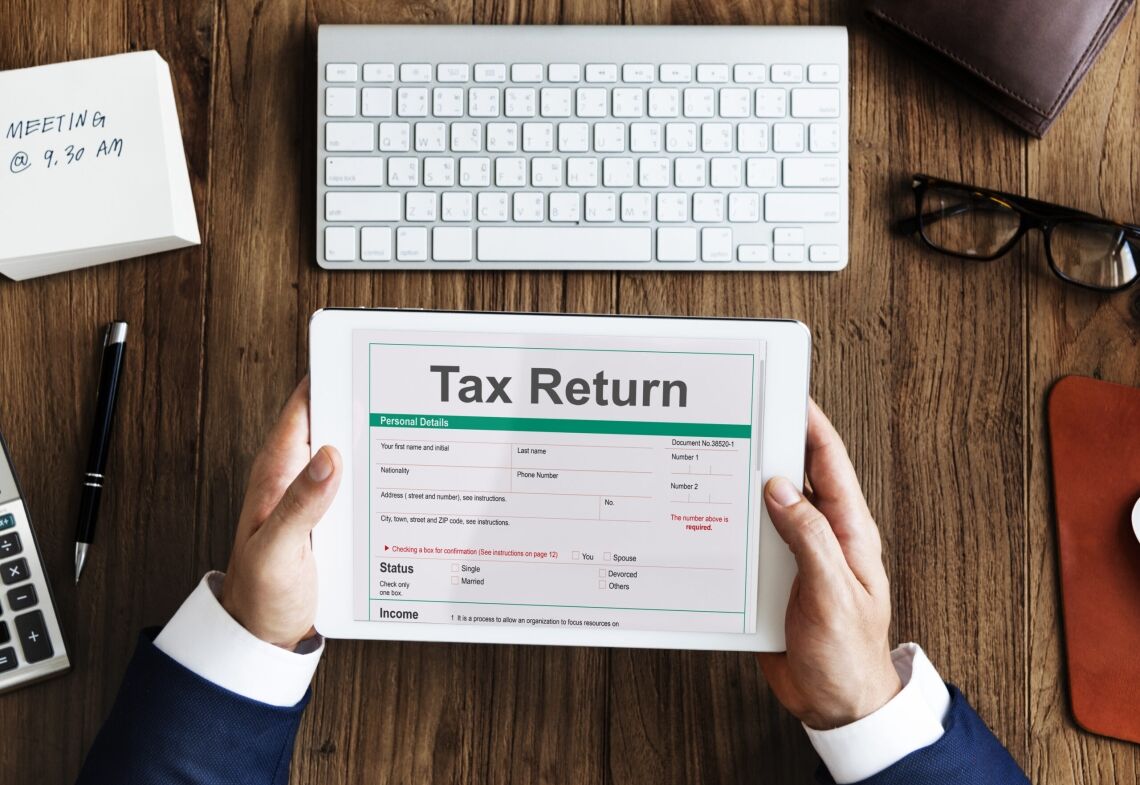
The instant asset write-off lets eligible small businesses immediately deduct the full cost of qualifying assets, rather than depreciating them over years. Recent measures have moved towards making it an ongoing feature for small business, though the threshold and eligibility apply per asset, so check the current limit before you buy. Companies investing in genuine research should also consider the R&D Tax Incentive alongside the write-off.
For years, the $20,000 instant asset write-off was a temporary measure — extended budget by budget, with business owners never quite sure whether it would survive the next announcement. That uncertainty is now over.
The $20,000 instant asset write-off has been confirmed as permanent for eligible small businesses with aggregated annual turnover under $10 million. If you run an established business with employees, real assets, and real expenses, this is a meaningful and reliable tax planning tool — available every financial year, not just this one.
Here is everything you need to know to use it correctly before 30 June — and how to plan around it going forward.

Missing a write-off like this is one of the biggest tax mistakes Australian business owners make. The other common errors are equally avoidable with the right advice in place before year end.
What Is the Instant Asset Write-Off?
The instant asset write-off allows eligible businesses to claim an immediate tax deduction for the full cost of a depreciating asset in the year it is first used or installed ready for use.
Without this concession, a $15,000 piece of equipment might generate a $3,000 deduction per year over five years under standard depreciation rules. With the instant asset write-off, the entire $15,000 is deductible in the year of purchase — providing a significant accelerated tax benefit.
The ATO outlines the eligibility criteria and rules in full:
🔗 https://www.ato.gov.au/business/depreciation-and-capital-expenses/instant-asset-write-off/
Who Qualifies?
The $20,000 instant asset write-off is available to businesses with:
- Aggregated annual turnover under $10 million
- Assets used or installed ready for use during the relevant financial year
- Assets that individually cost less than $20,000 (GST-exclusive for businesses registered for GST)
It applies to sole traders, partnerships, companies, and trusts — provided the aggregated turnover threshold is met. If your business generates $500,000 to $9.9 million in annual revenue, you are likely eligible.
What Changed — And Why It Matters Now
The 2026–27 Federal Budget confirmed the $20,000 threshold as a permanent feature for eligible small business entities. This is a significant shift from the previous approach, where the threshold and eligibility were subject to annual review.
Your business also faces another major change on the same date — the payday super changes starting 1 July 2026. Employers must now pay super with every pay run, not quarterly.
What this means in practice:
- Business owners can plan capital expenditure with certainty across multiple financial years
- Assets that were previously treated as multi-year depreciation items can now be fully expensed in year one — every year
- The write-off can be built into annual budgeting and tax planning as a reliable mechanism, not an uncertain temporary measure
For Melbourne business owners with turnover between $500,000 and $10 million, this permanently changes how asset purchases should be planned and timed.
What Assets Can Be Written Off?
Assets eligible for the instant asset write-off include:
- Plant and equipment — machinery, workshop tools, manufacturing equipment
- Office equipment — computers, printers, phone systems, point of sale hardware
- Business vehicles — subject to the car limit ($69,674 for 2025–26)
- Fit-out items — assets attached to premises that qualify as depreciating assets
- Technology — software and digital assets, if treated as depreciating assets rather than intangibles
Assets that do not qualify include:
- Trading stock
- Assets used wholly or predominantly for private purposes
- Assets costing $20,000 or more — these must be depreciated through the small business general pool
Important: The $20,000 threshold applies to each individual asset — not your total spend. If you purchase three pieces of equipment at $14,000 each, all three can be written off, because each asset is individually under $20,000.
How to Use It Before 30 June 2026
The write-off applies to the financial year in which the asset is first used or installed ready for use. To claim the deduction in your 2025–26 tax return, the asset must meet both of these conditions:
- The asset is purchased before 30 June 2026
- The asset is in use or installed ready for use by 30 June 2026
Ordered but not delivered does not count. Paid for but sitting in a warehouse does not count. The asset must be in your possession and operationally ready before midnight on 30 June.
If you have been planning to replace equipment, upgrade technology, or invest in tools for the business, bringing that purchase forward to before 30 June allows you to claim the full deduction in this year’s return — rather than waiting until next year or depreciating it over time.
The Tax Saving in Real Numbers
For a business structured through a company paying 25% tax:
- A $15,000 asset write-off reduces taxable income by $15,000 — saving $3,750 in company tax
- Three qualifying assets at $15,000 each saves $11,250 in company tax this year
- Compared to standard depreciation (30% diminishing value), you are accessing deductions 3 to 4 years earlier — and the time value of that matters
For businesses in a trust with distributions to individual beneficiaries taxed at higher marginal rates, the tax saving per dollar of deduction is even greater.
This is the difference between tax planning and tax compliance. A compliance accountant records what happened. A tax advisor identifies the write-off opportunity in April, reviews your planned purchases, and positions them to generate maximum deductions before 30 June.
Common Mistakes Business Owners Make
Purchasing but not installing before 30 June. The most common error. The asset must be installed ready for use — not ordered, not in transit, not waiting for setup. If delivery or installation falls in July, the deduction moves to next year.
Buying a single asset over $20,000 and expecting the write-off. Assets at or above the $20,000 threshold must enter the general depreciation pool and are not eligible for the immediate write-off.
Ignoring the car limit. For vehicles that meet the ATO’s definition of a car, only the first $69,674 (2025–26 limit) is depreciable. A $95,000 vehicle does not generate a $95,000 deduction — even if it is used 100% for business.
Getting the GST treatment wrong. Businesses registered for GST measure the $20,000 threshold against the GST-exclusive price. Businesses not registered for GST use the full amount including GST. One of these calculations may push you over or keep you under the threshold — and it changes the answer.
Claiming 100% on mixed-use assets. Only the business-use percentage of the cost is deductible. A vehicle used 60% for business means 60% of the write-off — not the full amount.
How Pinnacle Approaches This With Established Business Clients
Tax planning is not a June event. At Pinnacle, we review our clients’ tax position mid-year, identify what deductions are available, and have the conversation about capital expenditure timing with enough lead time to actually act on it.
For business owners with $500,000 or more in annual turnover, the instant asset write-off is one tool in a broader tax planning conversation that includes:
- Your structure — company, trust, or a combination — and how deductions flow through it
- Your income and distribution position at year end
- What assets are planned or needed, and whether timing them before 30 June is worth it
- How write-offs interact with other concessions available to your business
If you are making these decisions based on a conversation with your accountant in late June, you are already behind.
If you want to confirm what is deductible before 30 June — or start planning asset purchases for the 2026–27 year with a permanent write-off factored in — book a meeting with Mina.
👉 Book a meeting with Pinnacle Accounting & Advisory
Frequently Asked Questions
Is the $20,000 instant asset write-off now permanent?
Yes. The 2026–27 Federal Budget confirmed the $20,000 threshold is now a permanent feature of the tax system for eligible small business entities with aggregated annual turnover under $10 million.
What is the threshold for the instant asset write-off in 2025–26?
$20,000 per individual asset, excluding GST for businesses registered for GST. Each asset is assessed separately — not your cumulative spend across multiple purchases.
What happens if my asset costs more than $20,000?
Assets at or above the $20,000 threshold are not eligible for the immediate write-off. They must be added to the small business general depreciation pool and depreciated at 15% in year one and 30% in subsequent years.
Can a trust use the instant asset write-off?
Yes. Trusts with aggregated turnover under $10 million are eligible, provided the asset is used in carrying on a business. The deduction flows through the trust and is distributed to beneficiaries.
Does the write-off apply to vehicles?
Yes, but vehicles that meet the ATO definition of a car are subject to the car limit ($69,674 for 2025–26). The write-off applies to the lower of the cost and the car limit, subject to the business-use percentage.
Do I need to be profitable to use the instant asset write-off?
You need assessable income and a business structure that can utilise the deduction. If the deduction creates a tax loss, it may carry forward to future years — but the mechanics depend on your entity type and circumstances. Speak with your accountant before assuming the full benefit is realised in year one.
Ready to do Business with Us?
Join the Melbourne business owners who work with a CPA and Chartered Tax Advisor, so you can focus on growing your business while we take care of the numbers.
Ready to do Business with Us?
Join the Melbourne business owners who work with a CPA and Chartered Tax Advisor, so you can focus on growing your business while we take care of the numbers.
General Advice Disclaimer: The information in this article is general in nature and does not constitute personal financial, tax, or legal advice. Your individual circumstances will determine the most appropriate approach for you. Please consult a registered tax adviser or CPA before acting on anything in this article. Liability limited by a scheme approved under Professional Standards Legislation.
Planning a business purchase before year end?
At Pinnacle Accounting & Advisory we help Melbourne business owners time asset purchases to maximise your deductions. Book a consultation with Mina to find out where you stand.
Book a ConsultationFrequently Asked Questions
What is the instant asset write-off?
The instant asset write-off allows eligible small businesses to immediately deduct the full cost of qualifying depreciating assets in the year they are first used or installed, rather than claiming depreciation over several years. It improves cash flow and reduces tax in the purchase year.
What is the instant asset write-off threshold?
The threshold applies per asset and has changed several times, so you must check the current limit for the income year. Assets costing under the threshold can be written off immediately, while more expensive assets are depreciated under the normal small business rules.
Who is eligible for the instant asset write-off?
Small businesses with aggregated turnover under the relevant threshold are generally eligible for assets used for business purposes. The asset must be first used or installed ready for use within the eligible period, and only the business-use portion is deductible.
Is the instant asset write-off permanent?
Recent measures have moved towards making an instant asset write-off an ongoing feature for small business, but thresholds and rules are set year to year and can change with each Budget. Always confirm the current position before relying on it for a purchase.
This article contains general advice only and does not take into account your specific circumstances. Please speak with a qualified accountant or tax adviser before making financial decisions.
Timing purchases like this is exactly where proactive tax planning in Melbourne saves you money before 30 June.
Ready to do Business with Us?
Join the Melbourne business owners who work with a CPA and Chartered Tax Advisor, so you can focus on growing your business while we take care of the numbers.