Skip to main content Skip to search

Posts by Mina Baselyous

Tax Depreciation Blog Banner 3 Pinnacle Accounting & Advisory

Tax Depreciation 2026 Explained: How It Works, Why It Matters, and How Australians Miss Out

Tax depreciation lets businesses and property investors deduct the declining value of assets over their effective life, spreading the cost as a deduction across the years the asset is used. For property investors especially, a depreciation schedule often uncovers thousands in deductions that are otherwise missed each year.

Tax depreciation is one of the most powerful and most commonly overlooked, deductions available to Australian taxpayers, particularly property investors and business owners.

Each year, many Australians overpay tax not because they’re ineligible for deductions, but because they don’t fully understand how depreciation works, what can be claimed, or when a depreciation schedule is required.

This article explains tax depreciation in Australia, how it works, why it matters, and how it should be used strategically, especially as part of mid-year and EOFY tax planning.


What Is Tax Depreciation?

tax depreciation 1 Pinnacle Accounting & Advisory

Tax depreciation allows you to claim a deduction for the decline in value of eligible assets over time.

Rather than claiming the full cost of an asset upfront, the ATO allows deductions to be spread over the asset’s effective life, reflecting wear and tear or obsolescence.

Importantly, depreciation is a non-cash deduction, you don’t need to spend money each year to claim it, yet it still reduces your taxable income.


Why Tax Depreciation Matters

When claimed correctly, depreciation can:

  • reduce taxable income
  • increase tax refunds
  • improve after-tax cash flow
  • make investments more tax-effective

Because depreciation does not affect your bank balance, it improves cash flow without impacting day-to-day liquidity. Over time, this can significantly influence long-term wealth and borrowing capacity.

This is the same principle discussed in The Truth About Sales & Accounting: Why Knowing Your Numbers Is the Ultimate Business Strategy, understanding how numbers work behind the scenes leads to better strategic decisions.


What Can Be Depreciated?

Depreciation in Australia generally falls into two categories:

🔹 Plant & Equipment (Division 40)

These are assets that can wear out or be replaced, such as:

  • appliances
  • carpets and flooring
  • air-conditioning units
  • hot water systems
  • security systems

Eligibility depends on asset type, purchase date, and how the property is used.


🔹 Capital Works (Division 43)

Capital works typically include structural elements of a building, such as:

  • walls, floors, and roofs
  • fixed cabinetry
  • bathrooms and kitchens
  • original construction costs

Capital works are commonly depreciated at 2.5% per year over 40 years, subject to eligibility rules.


Depreciation for Investment Properties

images 8 Pinnacle Accounting & Advisory

For Australian property investors, depreciation is most commonly claimed on investment properties.

To claim depreciation correctly, investors generally require an ATO-compliant depreciation schedule prepared by a qualified quantity surveyor.

A depreciation schedule:

  • identifies eligible assets
  • calculates annual deductions
  • complies with ATO requirements
  • supports claims if reviewed by the ATO

Without a schedule, many investors either under-claim or don’t claim depreciation at all.

This is why depreciation works best when combined with strong financial systems, as explained in The 6 Bank Accounts Every Business Owner Needs

Watch the complete video:


Depreciation as a Mid-Year Tax Planning Strategy

images 9 Pinnacle Accounting & Advisory

One of the biggest mistakes investors make is treating depreciation as something to think about after 30 June.

In reality, depreciation should be reviewed mid-year, alongside other tax planning strategies, to understand how it will impact your overall tax position.

Are you claiming all the depreciation you are entitled to?

At Pinnacle Accounting & Advisory we help Melbourne business owners make sure you claim every depreciation deduction available. Book a consultation with Mina to find out where you stand.

Book a Consultation

As we explain in Mid-Year Tax Planning 2026: What to Do Now to Maximise Your EOFY Tax Outcome, reviewing deductions early gives you time to:

  • forecast taxable income
  • manage cash flow
  • avoid rushed EOFY decisions

Depreciation often forms a significant portion of total deductions, which is why it should be factored into tax planning well before EOFY.


New vs Established Properties

Both new and established properties may be eligible for depreciation, though the rules differ.

  • Newer properties typically generate higher depreciation deductions
  • Established properties may still qualify, particularly for capital works

Even if a property was built many years ago, depreciation may still be available if construction occurred after relevant cutoff dates.


Common Depreciation Mistakes

Some of the most common issues we see include:

  • no depreciation schedule in place
  • assuming older properties have no depreciation
  • relying on estimates rather than a quantity surveyor
  • incorrect treatment of renovations
  • failing to integrate depreciation into tax planning

These mistakes often result in missed deductions and unnecessary tax over multiple years.


Depreciation, Cash Flow, and EOFY Outcomes

Because depreciation reduces taxable income without reducing cash, it can:

  • improve annual cash flow
  • reduce tax withheld during the year
  • strengthen EOFY tax outcomes

When depreciation is factored into mid-year tax planning, it provides clearer visibility over what your final tax position is likely to be, reducing surprises after 30 June.


Depreciation and ATO Scrutiny

With increased ATO focus on property and deduction claims, accuracy matters.

The ATO expects:

  • correct asset classification
  • appropriate effective lives
  • supporting documentation

An ATO-compliant depreciation schedule helps support claims and reduces audit risk.

Watch:


Final Thoughts

Tax depreciation is not just a technical deduction, it is a strategic tax planning tool.

When understood and applied correctly, and reviewed as part of mid-year and EOFY tax planning, depreciation can:

  • reduce tax
  • improve cash flow
  • strengthen long-term investment outcomes

Ignoring depreciation, or leaving it until tax time, often means paying more tax than necessary.


Depreciation on cars has its own cap, and that cap follows the asset all the way to disposal. See selling a car above the car limit for how the balancing adjustment is calculated when the car limit applied.

General Advice Disclaimer

The information in this article is general in nature and does not constitute personal financial, tax, or legal advice. It has been prepared without taking into account your specific objectives, financial situation, or needs. Before acting on this information, you should consider its appropriateness to your circumstances and seek independent advice from a qualified professional. Pinnacle Accounting & Advisory is a registered tax agent. Liability limited by a scheme approved under Professional Standards Legislation.

What is tax depreciation in Australia?

Tax depreciation in Australia allows taxpayers to claim a deduction for the decline in value of eligible assets over time. It applies to assets used to produce assessable income, including investment properties, and helps reduce taxable income without requiring additional cash outlay.

Do I need a depreciation schedule to claim depreciation on an investment property?

In most cases, yes. An ATO-compliant depreciation schedule prepared by a qualified quantity surveyor is required to accurately calculate and support depreciation claims for an investment property. Without a schedule, many investors underclaim or miss depreciation altogether.

Can depreciation be used as part of mid-year tax planning?

Yes. Depreciation should be reviewed as part of mid-year tax planning to forecast taxable income, manage cash flow, and improve EOFY tax outcomes. Leaving depreciation until after 30 June often limits planning opportunities.

Do older properties still qualify for tax depreciation?

Yes. Older properties may still qualify for tax depreciation, particularly for capital works deductions. Even if a property was built many years ago, depreciation may still be available depending on construction dates and eligibility rules.

This article contains general advice only and does not take into account your specific circumstances. Please speak with a qualified accountant or tax adviser before making financial decisions.

Loading posts…

About Mina Baselyous

Mina Baselyous is a Chartered Tax Advisor (CTA), Certified Practising Accountant (CPA) and Registered Tax Agent based in Melbourne. He founded Pinnacle Accounting & Advisory to give small and medium business owners the proactive, strategic advice most accountants never offer. Read Mina’s full profile and credentials.

LinkedIn  |  Instagram

Read more
Trust Distribution Minutes Blog Banner 1 Pinnacle Accounting & Advisory

Trust Distribution Minutes: Why They Matter in 2026 and What Trustees Must Do Before 30 June

Trust distribution minutes are the written resolutions a trustee signs before 30 June each year to validly distribute a discretionary trust’s income to beneficiaries. Without a valid, signed resolution by year end, the ATO can tax the trustee on the whole of the trust’s income at 47%, so the minutes directly protect your tax position. Well-drafted minutes also help defend distributions against Section 100A.

For trustees of discretionary (family) trusts, trust distribution minutes are one of the most important — and most commonly missed, annual compliance requirements.

Every year, we see trustees unintentionally expose themselves to unnecessary tax simply because a distribution decision was not properly documented before 30 June.

In this article, we explain what trust distribution minutes are, why they are critical for 2026 tax compliance, what happens if you miss the deadline, and how trustees can protect themselves with the right processes and advice.

If you are still deciding whether a family trust is the right structure for your business, our complete guide to business structures in Australia covers all four main structures and helps you identify the best fit for your situation.


What Is a Trust Distribution Minute?

A trust distribution minute (also known as a trust distribution resolution) is a formal written record of the trustee’s decision on how the trust’s income for the financial year will be distributed to beneficiaries.

The minute should clearly state:

  • which beneficiaries are entitled to trust income
  • the amount or percentage allocated to each beneficiary
  • the date the decision was made
  • confirmation that the trustee has exercised discretion in accordance with the trust deed

Most importantly, the distribution minute must be prepared and signed on or before 30 June of the relevant financial year.


Why Trust Distribution Minutes Matter for Tax in 2026

Under Australian tax law, trust income is taxed based on who is presently entitled to that income at year end.

If a valid distribution minute is not in place by 30 June:

  • beneficiaries are not considered presently entitled
  • the trust income may be taxed to the trustee
  • tax may apply at the highest marginal tax rate

This outcome often surprises trustees who believed they could “sort it out later” when the tax return is prepared. Unfortunately, intentions after 30 June do not count.


Common Mistakes Trustees Make

Some of the most common issues we see include:

  • preparing distribution minutes after 30 June
  • backdating documents (which is not accepted by the ATO)
  • distributing income to ineligible beneficiaries
  • failing to follow the trust deed
  • ignoring how distributions interact with company beneficiaries

These mistakes often result from DIY trust administration without professional guidance.

Many of these issues could be avoided by having better financial visibility and planning throughout the year — a concept discussed in The Truth About Sales & Accounting: Why Knowing Your Numbers Is the Ultimate Business Strategy

Watch The Video:


Trusts, Company Beneficiaries, and Division 7A

Where trust income is distributed to a company beneficiary, additional care is required.

If funds are not actually paid or properly accounted for, trustees may inadvertently trigger Division 7A issues, leading to deemed dividends and unexpected tax outcomes.

This interaction is complex and frequently misunderstood, which is why trustees should be familiar with Top 5 Division 7A Loan Traps to Avoid when using company beneficiaries.


Preparing Trust Distribution Minutes: Practical Steps

Review the Trust Deed

Ensure the deed:

  • allows discretionary distributions
  • identifies eligible beneficiaries
  • permits income streaming if required

The distribution minute must strictly comply with the deed.


Estimate Trust Income Before 30 June

While final figures may not be available, trustees should work with their accountant to estimate trust income before year end to make informed allocation decisions.


Decide on Tax-Effective Allocations

Consider:

  • beneficiaries’ marginal tax rates
  • use of corporate beneficiaries
  • streaming of capital gains or franked dividends

This step should never be rushed or left to late June.


Prepare and Sign the Minute on Time

The distribution minute must be:

  • dated correctly
  • signed by the trustee(s)
  • stored with trust records
  • completed on or before 30 June 2026

Electronic signatures are generally acceptable if properly documented.


What Happens If You Miss the Deadline?

If no valid trust distribution minute exists by 30 June:

  • trust income may be assessed to the trustee
  • tax can apply at up to 47% (including Medicare levy)
  • beneficiaries lose the intended tax benefit
  • ATO scrutiny risk increases

This outcome is entirely avoidable with proactive planning.


Trust Distribution Minutes Are an Annual Requirement

Even if:

  • income is low
  • no distributions are intended
  • the trust made a loss

A distribution decision should still be documented annually. Trust compliance is not optional and should be part of your year-round tax planning, not an EOFY scramble.


Final Thoughts

Trust distribution minutes are not just paperwork — they are a critical tax control mechanism.

Getting them right means:

  • protecting tax outcomes
  • avoiding trustee-level tax
  • reducing audit and compliance risk
  • ensuring your trust structure works as intended

If you operate a discretionary or family trust, preparing distribution minutes early, with professional oversight — is one of the smartest decisions you can make before 30 June 2026.

Frequently Asked Questions

What are trust distribution minutes?

Trust distribution minutes are the written resolutions a trustee signs each year recording how the trust’s income will be distributed among beneficiaries. They document the trustee’s decision, the amounts or percentages each beneficiary receives, and the date, and they are the evidence the ATO looks for that a valid distribution was made.

When must trust distribution minutes be signed?

The trustee must make and document the distribution resolution before the end of the financial year, that is by 30 June. Signing minutes after 30 June, or backdating them, is not acceptable and can invalidate the distribution, exposing the income to tax in the trustee’s hands at penalty rates.

What happens if a trust does not prepare distribution minutes?

If there is no valid resolution by 30 June, the trust’s income may not be effectively distributed, and the ATO can assess the trustee on the whole of the net income at the top marginal rate of 47%. Missing or defective minutes are one of the most expensive and avoidable trust mistakes.

Can trust distribution minutes be changed after 30 June?

No. Once the financial year has ended the distribution decision is locked in. Minutes cannot be validly altered or created after 30 June to change who received the income, which is why the resolution should be prepared and reviewed with your accountant before year end.

Do trust distribution minutes need to specify amounts?

The resolution must make beneficiaries presently entitled to the income, whether as specific dollar amounts, percentages, or a clear formula. Vague or default wording can be challenged, and streaming franked dividends or capital gains to particular beneficiaries needs specific, correctly worded clauses.

Want to pay less tax this financial year?

Download our guide: 7 Tax Strategies Every Business Owner Should Know — practical moves you can make right now.

Download the Free Guide

What is a trust distribution minute?

A trust distribution minute is a written record of the trustee’s decision on how trust income is allocated to beneficiaries for a financial year. It must be prepared and signed before 30 June.

What happens if a trust distribution minute is not prepared by 30 June?

If no valid minute exists, trust income may be taxed to the trustee at the highest marginal tax rate rather than to beneficiaries.

Do trust distribution minutes need to be prepared every year?

Yes. A distribution decision should be documented every financial year, even if income is low or no distributions are made.

Can trust distributions trigger Division 7A issues?

Yes. Where income is distributed to a company beneficiary, improper handling of funds can trigger Division 7A tax consequences if not structured correctly.

Loading posts…

General Advice Disclaimer: The information in this article is general in nature and does not constitute personal financial, tax, or legal advice. Your individual circumstances will determine the most appropriate approach for you. Please consult a registered tax adviser or CPA before acting on anything in this article. Liability limited by a scheme approved under Professional Standards Legislation.

This article contains general advice only and does not take into account your specific circumstances. Please speak with a qualified accountant or tax adviser before making financial decisions.

Loading posts…

About Mina Baselyous

Mina Baselyous is a Chartered Tax Advisor (CTA), Certified Practising Accountant (CPA) and Registered Tax Agent based in Melbourne. He founded Pinnacle Accounting & Advisory to give small and medium business owners the proactive, strategic advice most accountants never offer. Read Mina’s full profile and credentials.

LinkedIn  |  Instagram

Read more
BAS Deadlines Blog Banner 1 Pinnacle Accounting & Advisory

BAS Deadlines and ATO Obligations Every Business Owner Should Know in January 2026

Business activity statement deadlines depend on your reporting cycle: quarterly BAS are generally due 28 October, 28 February, 28 April and 28 July, while monthly statements are due on the 21st. Meeting these deadlines, along with your PAYG and super obligations, keeps you compliant and avoids failure-to-lodge penalties.

January is a critical compliance month for Australian businesses. After the holiday period, many business owners return to work only to realize that BAS lodgements, PAYG instalments, superannuation obligations, and their ato obligations, including bas deadlines are due early in the new year. Missing these ATO deadlines can result in penalties, interest charges, and cash flow stress that set the tone for the rest of the year. It is crucial to manage these ato obligations effectively to ensure compliance with ATO obligations and to stay informed about bas deadlines.

This article outlines the key January BAS deadlines and ato obligations every business owner should be aware of and why addressing their ato obligations early matters to avoid complications in the compliance process related to their ato obligations.

Understanding the bas deadlines can prevent significant issues and ensure that your business remains compliant with ATO regulations.


Why January ATO Compliance Matters

Being aware of the upcoming bas deadlines is essential for maintaining smooth operations throughout the year.

January obligations often catch businesses off guard because:

  • trading slows over December
  • staff are on leave
  • records are not finalised before Christmas
  • cash flow is tighter after the holiday period

However, the ATO does not pause deadlines.

Failing to meet January compliance requirements can lead to:

For most businesses, familiarity with bas deadlines ensures timely submissions and helps in avoiding penalties.

  • late lodgement penalties
  • general interest charges (GIC)
  • loss of tax deductions (in some cases)
  • increased ATO scrutiny

Staying updated with bas deadlines can also help in better financial planning and management across the year.

Starting the year compliant puts your business in a far stronger position.

It is advisable to create reminders for employees about bas deadlines to maintain compliance.


January BAS Due Dates (What to Expect)

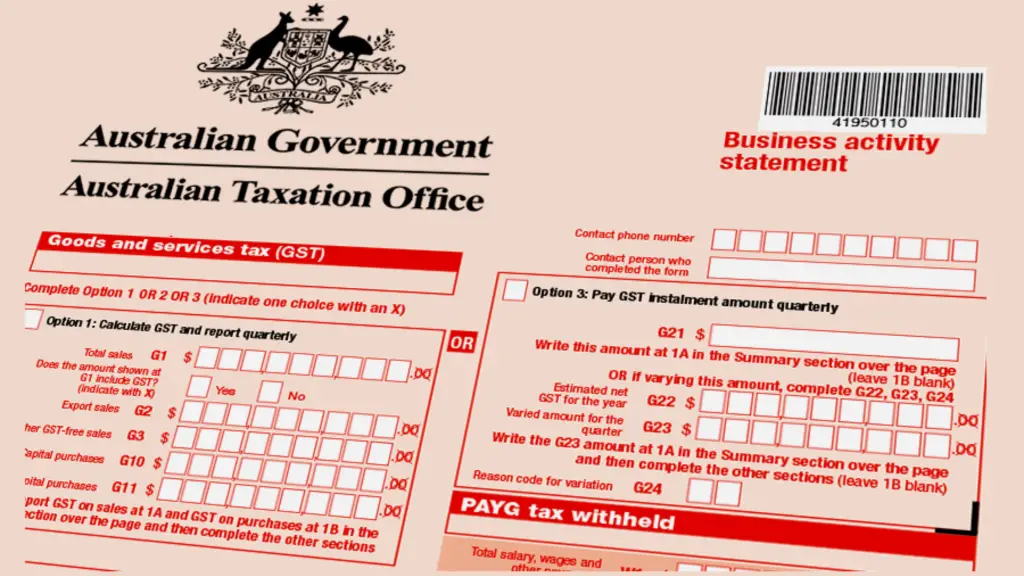
Business Activity Statement BAS Sample Lodgement Pinnacle Accounting & Advisory

Monthly BAS (December Period)

Businesses registered for monthly BAS generally need to lodge and pay their December BAS by 21 January.

This typically includes:

By adhering to bas deadlines, businesses can avoid complications and streamline their compliance processes.

  • GST
  • PAYG withholding

If you lodge through a registered tax or BAS agent, different lodgement arrangements may apply, but this should never be assumed without confirmation.


Consistent attention to bas deadlines can mitigate potential penalties and foster a positive relationship with the ATO.

Each January, understanding and managing bas deadlines is critical to ensure your business remains compliant with the ATO.

Quarterly BAS (December Quarter)

For businesses reporting quarterly, the December quarter BAS is commonly due in late January.

65faccc4f5d12243a687cfe2338ab83d scaled 1 Pinnacle Accounting & Advisory

This BAS may include:

  • GST
  • PAYG instalments (if applicable)

Exact due dates can vary depending on:

  • lodgement method
  • whether you use a registered agent

Confirming deadlines early avoids last-minute pressure.


PAYG Instalments Due in January

27808 5 Pinnacle Accounting & Advisory

Many business owners are also required to pay PAYG income tax instalments in January.

PAYG instalments are based on:

  • prior year tax
  • estimated current-year income

If cash flow has changed significantly, January is a good time to review whether PAYG instalments remain appropriate, rather than waiting until the instalment is already overdue.

Ignoring PAYG obligations can lead to compounding liabilities later in the year.


Superannuation Guarantee: A Critical January Deadline

download Pinnacle Accounting & Advisory

One of the most important January obligations is superannuation guarantee (SG).

December Quarter Superannuation

Superannuation for the December quarter is generally due by 28 January.

This applies to:

  • employees
  • eligible contractors

Struggling to keep on top of BAS and ATO deadlines?

At Pinnacle Accounting & Advisory we help Melbourne business owners never miss a lodgement deadline again. Book a consultation with Mina to find out where you stand.

Book a Consultation

⚠️ Important:
If superannuation is not paid by the due date:

  • it is not tax deductible
  • penalties and interest may apply
  • additional reporting obligations arise

Superannuation is one of the fastest ways businesses attract ATO attention when missed.


Common January Compliance Mistakes

Some of the most common issues we see in January include:

  • assuming deadlines were extended due to holidays
  • using GST or PAYG funds for operating expenses
  • incomplete bookkeeping delaying BAS preparation
  • forgetting superannuation payments
  • failing to review PAYG instalments when income has changed

These mistakes often result in avoidable penalties and unnecessary stress.

This is why proper cash flow structure is critical, as outlined in The 6 Bank Accounts Every Business Owner Needs


Why You Should Not Leave January Lodgements Until the Last Minute

Leaving BAS and ATO obligations until the deadline increases the risk of:

  • errors
  • cash flow shortfalls
  • missed deductions
  • late lodgement penalties

January is also when accountants and BAS agents are often dealing with:

  • multiple client deadlines
  • year-end reconciliations
  • compliance backlogs

Early preparation gives you options. Late action removes them.

Businesses that stay organised tend to make better decisions and avoid reactive behaviour — a concept explored in The Truth About Sales & Accounting: Why Knowing Your Numbers Is the Ultimate Business Strategy

In conclusion, understanding and managing bas deadlines is an essential part of maintaining compliance with ATO obligations throughout the year.

Watch the full video:


How January Compliance Impacts the Rest of the Year

January sets the compliance tone for the year ahead.

Businesses that:

  • stay up to date with BAS
  • pay superannuation on time
  • manage PAYG instalments proactively

are far less likely to face:

Proactive management of bas deadlines will save your business time and money in the long run.

  • ATO payment plans
  • penalty remissions
  • compliance stress later in the year

Good compliance habits early make tax planning and cash flow management far easier.


Final Thoughts

January is not just a “back to work” month, it is a key compliance checkpoint for Australian businesses.

Understanding January BAS due dates and ATO obligations helps you:

  • avoid penalties
  • protect cash flow
  • start the year confidently
  • reduce ATO risk

If you are unsure about your January obligations, now is the time to clarify them, not after a deadline has passed.


Disclaimer

This article is general information only and does not constitute tax or financial advice. ATO deadlines and obligations may vary depending on your circumstances. Always seek advice from a qualified accountant, BAS agent, or tax agent.

What BAS deadlines apply in January for Australian businesses?

In January, businesses may need to lodge and pay their December BAS. Monthly BAS reporters generally have a due date of 21 January, while quarterly reporters often have a late-January deadline. Exact dates can vary depending on lodgement method and whether a registered agent is used.

Is superannuation due in January?

Yes. Superannuation guarantee payments for the December quarter are generally due by 28 January. If superannuation is not paid by the due date, it is not tax deductible and penalties and interest may apply.

What happens if I miss a BAS or ATO deadline in January?

Missing a BAS or ATO deadline can result in late lodgement penalties, general interest charges, and increased ATO scrutiny. Repeated late lodgements may also impact future payment plan options.

Can PAYG instalments be reviewed in January?

Yes. January is a good time to review PAYG instalments, especially if business income has changed. Adjustments may be possible to better align instalments with current cash flow, but they should be reviewed carefully to avoid underpayment issues.

This article contains general advice only and does not take into account your specific circumstances. Please speak with a qualified accountant or tax adviser before making financial decisions.

Loading posts…

About Mina Baselyous

Mina Baselyous is a Chartered Tax Advisor (CTA), Certified Practising Accountant (CPA) and Registered Tax Agent based in Melbourne. He founded Pinnacle Accounting & Advisory to give small and medium business owners the proactive, strategic advice most accountants never offer. Read Mina’s full profile and credentials.

LinkedIn  |  Instagram

Read more
Mid Year Tax Planning Blog Banner 2 Pinnacle Accounting & Advisory

Mid-Year Tax Planning 2026: What to Do Now to Maximise Your EOFY Tax Outcome

Mid-year tax planning means reviewing your position well before 30 June so there is time to act. By assessing your likely profit, reviewing structure and distributions, timing income and expenses, and planning super contributions now, you can legally reduce your tax rather than discovering the bill when it is too late to change it.

For many Australians, tax planning only becomes a priority in June, when the financial year is almost over and most opportunities have already passed.

In reality, mid-year tax planning is where the biggest gains are made.

January marks the halfway point of the financial year and is an ideal time for individuals and business owners to step back, assess their current tax position, and make informed decisions that can significantly improve their end-of-financial-year (EOFY) tax outcome.

This article explains why proactive mid-year tax planning matters, and outlines practical EOFY tax strategies you can still implement if you act early.


Why Mid-Year Tax Planning Is So Important

Mid-year tax planning is not about finding loopholes or aggressive strategies. It’s about timing, preparation, and visibility.

Planning early allows you to:

  • Identify potential tax issues before they become problems
  • Spread tax payments and obligations more evenly
  • Improve cash flow and budgeting
  • Avoid rushed decisions in June
  • Reduce the likelihood of ATO scrutiny

Once 30 June passes, your tax position is largely locked in. Reviewing it halfway through the year gives you control, not just compliance.


Step 1: Understand Your Current Tax Position

Effective tax planning starts with clarity.

At mid-year, you should review:

  • year-to-date income
  • deductible expenses already incurred
  • profit or taxable income trends
  • cash flow and working capital
  • any loans, drawings, or shareholder transactions
  • expected income for the remainder of the year

Without accurate and up-to-date information, tax planning becomes guesswork. This is why bookkeeping, reporting, and regular reviews matter, not just at year-end.


Step 2: Review and Plan Deductible Expenses

One of the most common EOFY tax strategies involves managing deductible expenses correctly.

Mid-year is the right time to assess:

  • what expenses you typically incur each year
  • whether any necessary expenses can be brought forward
  • whether expenses are being claimed correctly

Examples may include:

  • professional fees
  • software and subscriptions
  • business-related equipment
  • interest and finance costs

The goal is not to spend unnecessarily, but to ensure legitimate business expenses are recognised in the right financial year.


Step 3: Motor Vehicle Expenses, Get This Right Early

Motor vehicle expenses are one of the most common areas where taxpayers either:

  • miss out on deductions, or
  • make incorrect claims that attract ATO attention

Mid-year is the ideal time to review:

  • whether you are using the most appropriate claim method
  • whether a logbook is required and up to date
  • business versus private use percentages
  • record-keeping processes

Waiting until June often leaves insufficient time to fix documentation issues. We explain the correct approaches and common mistakes in How to Claim Motor Vehicle Expenses.


Step 4: Superannuation Contributions as a Tax Strategy

Superannuation can be an effective tax planning tool, but only if used correctly and on time.

Mid-year planning allows you to:

  • review concessional contribution limits
  • assess whether additional contributions are appropriate
  • plan contribution timing to manage cash flow
  • avoid excess contribution penalties

Leaving super planning until June often results in rushed payments or missed opportunities, particularly where cash flow is tight.


Step 5: Income Timing and Cash Flow Considerations

For many taxpayers, especially business owners and contractors – income timing plays a critical role in tax outcomes.

Have you done your tax planning for this year?

At Pinnacle Accounting & Advisory we help Melbourne business owners plan ahead so you legally minimise this year’s tax. Book a consultation with Mina to find out where you stand.

Book a Consultation

Mid-year planning helps assess:

  • whether income is expected to increase significantly later in the year
  • how that income will impact your tax bracket
  • whether cash flow will support upcoming tax obligations

Even where income timing cannot be changed, understanding future exposure allows for better planning and fewer surprises.


Step 6: Division 7A – Address Issues Before They Escalate

Division 7A is one of the most misunderstood and costly areas of tax for company owners.

If you have:

  • taken loans from a company
  • drawn funds without formal documentation
  • used company money for personal purposes

you may already be exposed to Division 7A, even if you’re unaware of it.

Mid-year is the right time to:

  • review loan balances
  • put compliant loan agreements in place
  • plan repayments before year-end
  • avoid unfranked deemed dividends

We outline the most common and costly errors in Top 5 Division 7A Loan Traps to Avoid – essential reading for directors and shareholders.


Step 7: Review Your Business Structure and Tax Efficiency

Your business or investment structure has a significant impact on:

  • how income is taxed
  • how profits are retained or distributed
  • exposure to risk and compliance issues

Mid-year is a good checkpoint to ask:

  • Is the current structure still suitable?
  • Are profits being extracted or retained efficiently?
  • Are risks building up unnoticed?

Structural changes require time and planning. Waiting until June often means opportunities are missed for another year.


Step 8: Avoid the June Panic

One of the biggest benefits of mid-year tax planning is avoiding the June rush.

Last-minute tax planning often leads to:

  • poor decisions
  • missed deductions
  • unnecessary tax
  • higher stress

Spreading tax planning across the year results in better outcomes and better decision-making.


Final Thoughts

Mid-year tax planning in Australia is about being proactive, not reactive.

By reviewing your tax position now, you give yourself the opportunity to:

  • maximise your EOFY tax outcome
  • manage cash flow with confidence
  • reduce compliance risk
  • make informed, strategic decisions

The earlier you plan, the more options you have — and the better your long-term financial position becomes.

Watch below videos to enhance your knowledge.


Disclaimer

This article is general information only and does not constitute tax or financial advice. Always seek advice from a qualified accountant or tax agent before implementing tax strategies.

What is mid-year tax planning and why is it important in Australia?

Mid-year tax planning involves reviewing your income, expenses, and tax position halfway through the financial year. In Australia, it is important because it gives individuals and businesses time to legally reduce tax, manage cash flow, and address compliance issues before 30 June, when most planning opportunities close.

When should I start planning for my EOFY tax outcome?

The best time to start planning for your EOFY tax outcome is around January, when the financial year is halfway complete. Starting early allows you to adjust income timing, manage deductible expenses, plan superannuation contributions, and avoid rushed decisions at the end of the year.

What are the most effective EOFY tax strategies for business owners?

Effective EOFY tax strategies include reviewing deductible expenses, planning superannuation contributions, assessing motor vehicle expense claims, managing Division 7A loans, and reviewing business structure efficiency. These strategies are most effective when implemented well before 30 June.

Can mid-year tax planning help reduce the risk of ATO issues?

Yes. Mid-year tax planning helps reduce ATO risk by ensuring records are up to date, claims are correct, and compliance issues such as Division 7A loans or incorrect deductions are addressed early rather than discovered after year-end.

This article contains general advice only and does not take into account your specific circumstances. Please speak with a qualified accountant or tax adviser before making financial decisions.

Loading posts…

About Mina Baselyous

Mina Baselyous is a Chartered Tax Advisor (CTA), Certified Practising Accountant (CPA) and Registered Tax Agent based in Melbourne. He founded Pinnacle Accounting & Advisory to give small and medium business owners the proactive, strategic advice most accountants never offer. Read Mina’s full profile and credentials.

LinkedIn  |  Instagram

Read more
Start the New Year Blog Banner Pinnacle Accounting & Advisory

Start the New Year 2026 Strong: Australian Small Business Financial Checklist for January

January is the perfect time for Australian small business owners to reset, review, and realign their finances after the holiday period. A strong start to the year sets the foundation for better cash flow, fewer surprises, and smarter decisions throughout the year.

This January small business financial checklist outlines the key accounting and financial tasks business owners should focus on early in the year to stay compliant, improve profitability, and reduce stress.


1️⃣ Reconcile Bank Accounts and Clean Up Your Records

149 jpg Pinnacle Accounting & Advisory

One of the most important January accounting tasks is ensuring your bank accounts are fully reconciled.

This includes:

  • Matching bank transactions to accounting records
  • Identifying missing or duplicated entries
  • Separating personal and business transactions
  • Clearing suspense or uncategorised items

Clean records give you accurate data to work with — without this, every decision you make is based on guesswork.

If your accounts feel messy or unclear, it may be a sign that your banking structure needs improvement. We explain this in detail in below video , which outlines how proper account separation supports cash flow and compliance.


2️⃣ Review Cash Flow After the Holiday Period

626280de56a86a81b6330ba6 Ch2 why cashflow is crucial Pinnacle Accounting & Advisory

January often exposes cash flow pressure caused by:

  • reduced trading over December
  • delayed customer payments
  • increased holiday expenses

Now is the time to:

  • review current cash balances
  • assess short-term obligations
  • identify upcoming pressure points

Cash flow issues are rarely about revenue alone, they are usually linked to timing, systems, and decisions made earlier. This is closely tied to understanding your numbers properly, which we explore in The Truth About Sales & Accounting: Why Knowing Your Numbers Is the Ultimate Business Strategy.

Or Watch the video below:


3️⃣ Update Bookkeeping and Lodgements

account assets audit bank bookkeeping finance concept 53876 132604 1 Pinnacle Accounting & Advisory

January is a good time to ensure:

  • bookkeeping is up to date
  • GST coding is correct
  • payroll records are accurate
  • superannuation obligations are on track

Leaving these tasks too long increases the risk of errors, missed deductions, and ATO attention later in the year.

Strong bookkeeping early in the year makes tax planning easier and avoids last-minute pressure.


4️⃣ Check Compliance Obligations Early

Many businesses only think about compliance when deadlines arrive — January is the opportunity to plan ahead.

Key areas to review include:

  • upcoming BAS lodgements
  • superannuation payment deadlines
  • PAYG withholding obligations
  • record-keeping requirements

Being proactive here reduces risk and helps avoid penalties. If you’re unsure where your business stands, understanding how audits arise can be useful. Our audit-related content explains why poor systems and documentation often trigger issues — making early organisation critical.


5️⃣ Review Pricing, Margins, and Commercial Decisions

January is also a strategic reset point.

Ask yourself:

  • Are your prices still aligned with costs?
  • Have margins changed over the past year?
  • Are payment terms working against your cash flow?

Many financial problems don’t start in accounting software — they start in negotiation and commercial decisions.

Starting the year without a financial plan?

At Pinnacle Accounting & Advisory we help Melbourne business owners start the year with clean books, a budget and a clear plan. Book a consultation with Mina to find out where you stand.

Book a Consultation

This is why we often encourage business owners to revisit how they negotiate, not just what they sell. Our discussion on this is covered in Why Business Negotiation Skills Are Critical for Australian Business Owners.

Or watch the video below:


6️⃣ Set Financial Goals for the Year Ahead

January is the right time to set realistic, measurable financial goals, such as:

  • improving cash flow stability
  • increasing profitability (not just revenue)
  • reducing tax leakage
  • investing in systems or people

Goals should be based on actual numbers, not assumptions. Without clear data, goals quickly become wish lists.


7️⃣ Review Structures and Long-Term Planning

DrHuq ds article 19sept18 min Pinnacle Accounting & Advisory

While January is focused on short-term reset, it’s also a good checkpoint to ask:

  • Is your current structure still appropriate?
  • Are profits being retained or distributed effectively?
  • Are there risks building up unnoticed?

Many long-term problems come from ignoring structure and planning until it’s too late — the same compounding effect we see in other areas of finance and tax.


Learn More: Watch Practical Business & Finance Videos

If you prefer learning through video, our BusiHealth YouTube channel shares practical discussions on business, finance, tax, and decision-making throughout the year.

👉 Explore videos here: https://youtube.com/@BusiHealth

These videos complement our written content and help business owners understand the “why” behind financial strategies — not just the compliance side.


Final Thoughts

January is not about perfection, it’s about clarity and momentum.

By working through this small business financial checklist for January, you position your business to:

  • improve cash flow
  • stay compliant
  • make better decisions
  • reduce stress later in the year

The earlier you address financial structure, systems, and visibility, the easier the rest of the year becomes.


Disclaimer

This article is general information only and does not constitute accounting, tax, or financial advice. Always seek advice from a qualified accountant or tax agent before making financial decisions.

Why is January important for small business financial planning?

January is important because it allows business owners to review their finances after the holiday period, reset cash flow expectations, clean up bookkeeping, and plan ahead for tax and compliance obligations before issues compound later in the year.

What accounting tasks should small businesses complete in January?

Key January accounting tasks include reconciling bank accounts, updating bookkeeping records, reviewing cash flow, checking GST and superannuation obligations, and setting clear financial goals for the year ahead.

How can a January financial checklist improve cash flow?

A January financial checklist improves cash flow by identifying gaps in systems, clarifying available cash, separating tax obligations from operating funds, and addressing pricing or payment terms that may be restricting cash inflows.

Should small businesses review pricing and negotiations at the start of the year?

Yes. January is an ideal time to review pricing, margins, and negotiation practices. Decisions around pricing and payment terms directly affect profitability and cash flow throughout the year, making early review critical.

This article contains general advice only and does not take into account your specific circumstances. Please speak with a qualified accountant or tax adviser before making financial decisions.

Loading posts…

About Mina Baselyous

Mina Baselyous is a Chartered Tax Advisor (CTA), Certified Practising Accountant (CPA) and Registered Tax Agent based in Melbourne. He founded Pinnacle Accounting & Advisory to give small and medium business owners the proactive, strategic advice most accountants never offer. Read Mina’s full profile and credentials.

LinkedIn  |  Instagram

Read more
6 Bank Accounts Blog Banner Pinnacle Accounting & Advisory

The 6 Bank Accounts Every Business Owner Needs to Run a Sustainable Business 

Separating your business money into dedicated accounts, such as income, tax, GST, profit, operating expenses and owner’s pay, gives you instant clarity and control. This simple system, popularised by the Profit First approach, means tax money is set aside before you spend it and you always know what is truly available.

One of the most common reasons businesses struggle, even when sales are strong, is poor cash flow management. Many business owners operate with a single bank account and hope everything works out at tax time. 

Sustainable businesses are built on clear financial separation, discipline, and visibility

In this article, we break down the six bank accounts every business owner should have, and explain how each account plays a role in protecting cash flow, meeting tax obligations, and supporting long-term growth. 

👉 This article is based on our long-form video explaining these accounts in detail. 

Why Having Multiple Bank Accounts Matters 

Setting up the right bank accounts helps you: 

  • Clearly separate business and personal transactions
  • Avoid cash flow surprises
  • Stay compliant with GST, PAYG, and superannuation obligations
  • Plan for tax instead of reacting to tax bills
  • Budget for growth, marketing, and innovation

This structure is especially important for sole traders, companies, and trusts that want to operate professionally and scale. 

This is closely tied to what we explain in The Truth About Sales & Accounting: Why Knowing Your Numbers Is the Ultimate Business Strategy — strong decisions require strong financial foundations.

1️⃣ Operating Account (Business Transaction Account) 

accounting transactions Pinnacle Accounting & Advisory

Your operating account is your core business transaction account. 

This is where: 

  • all business income is received
  • all operating expenses are paid

A common mistake, particularly among sole traders, is mixing personal and business transactions in one account. This makes it difficult to track performance and creates problems at tax time. 

Best practice: 
All business-related income and expenses should flow through this account only. 

2️⃣ Reserve Account (Savings / “Fire Extinguisher” Account)

The reserve account is designed to protect your business during slow periods or unexpected expenses. 

Think of this as your business emergency fund

It allows you to: 

  • cover slow trading periods
  • pay large, unexpected bills
  • smooth out income fluctuations

No business has perfectly consistent cash flow. This account gives you breathing room when things don’t go to plan. 

3️⃣ GST, PAYG & Superannuation Account 

gstaustralia logo Pinnacle Accounting & Advisory

This is one of the most important accounts for compliance. 

This account is used to set aside money for: 

  • GST (if you are GST-registered)
  • PAYG withholding (if you have employees)
  • Superannuation obligations

A common issue we see is business owners using this money for operations, then struggling to pay the ATO or superannuation on time. 

⚠️ Important: 
If superannuation is not paid by the due date (generally 28 days after the end of the quarter), it is not tax deductible, which can significantly increase your tax bill. 

This type of “invisible cost” is similar to what property investors experience when key steps are missed early. We explain this compounding effect in Why Property Investors Miss Out on Bigger ATO Tax Refunds Without Depreciation Schedules.

4️⃣ Tax Account

z p40 Income Pinnacle Accounting & Advisory

The tax account is designed to eliminate year-end tax shock. 

Instead of waiting until the end of the financial year and facing a large tax bill, you progressively set aside funds throughout the year based on your effective tax rate

This account helps you: 

  • plan for income tax
  • manage cash flow confidently
  • avoid stress when your tax return is lodged

The amount set aside will depend on whether you operate as a sole trader, company, or trust, and should be reviewed regularly with your accountant. 

Is your business cash organised or all in one account?

At Pinnacle Accounting & Advisory we help Melbourne business owners set up simple money systems that keep tax aside and cash under control. Book a consultation with Mina to find out where you stand.

Book a Consultation

5️⃣ Marketing Account

Money Market Basics What is a money market account Pinnacle Accounting & Advisory

Businesses that don’t budget for marketing often struggle to grow. 

marketing account ensures you are consistently investing in: 

  • advertising
  • brand awareness
  • lead generation
  • communication of your value proposition

Many businesses allocate a percentage of revenue (for example, 5–10%) to this account, depending on their growth stage and industry. 

Marketing should be planned and intentional, not reactive. 

6️⃣ Innovation & Systems Development Account

images Pinnacle Accounting & Advisory

The final account is often overlooked, but it’s critical for long-term efficiency and scalability. 

This account is used for: 

  • system improvements
  • software and IT programs
  • CRM implementation
  • automation
  • app or platform development

Investing in systems improves: 

  • client experience
  • internal efficiency
  • profitability

As efficiency improves, so does your capacity to grow and reinvest in the business. 

How These Accounts Work Together 

These six accounts are not isolated, they work together to achieve one primary objective: 

👉 A sustainable, growing business with strong cash flow control 

By separating funds intentionally, you: 

  • gain clarity
  • reduce financial stress
  • stay compliant
  • make better decisions

This structure also allows your accountant to give you better, more proactive advice throughout the year, not just at tax time. 

Final Thoughts 

Many business owners fail not because they lack skill or demand, but because they lack financial structure

Having the right bank accounts in place is one of the simplest and most effective ways to: 

  • protect your business
  • improve decision-making
  • support long-term growth

Disclaimer 

This article is general information only and does not constitute tax or financial advice. Always seek advice from a qualified accountant or tax agent before implementing changes to your business finances. 

Separating the money is one half of cash control. The other half is shortening the time your cash spends in debtors and stock, which we cover in our guide to working capital.

Frequently Asked Questions

What bank accounts does a business need?

Beyond a main transaction account, many businesses benefit from separate accounts for tax, GST, profit, operating expenses and owner’s pay. Splitting money by purpose gives instant clarity on what is truly available and ensures tax is set aside before it is spent.

Why should I separate business bank accounts?

Because one account hides the truth. Money owed for tax and GST looks like available cash until the bill arrives. Separate accounts quarantine those funds, so you always know what you can genuinely spend and avoid nasty surprises at BAS or tax time.

What is the Profit First method?

Profit First is a cash management system where you divide income into separate accounts, including profit and tax, as soon as it arrives, rather than paying yourself from whatever is left. It builds discipline and ensures profit and tax are prioritised, not an afterthought.

How do I set up a business account system?

Open dedicated accounts for tax, GST, profit and operating costs, decide what percentage of each deposit goes to each, and transfer funds on a regular rhythm. Your accountant can help you set realistic percentages based on your actual numbers.

This article contains general advice only and does not take into account your specific circumstances. Please speak with a qualified accountant or tax adviser before making financial decisions.

Loading posts…

About Mina Baselyous

Mina Baselyous is a Chartered Tax Advisor (CTA), Certified Practising Accountant (CPA) and Registered Tax Agent based in Melbourne. He founded Pinnacle Accounting & Advisory to give small and medium business owners the proactive, strategic advice most accountants never offer. Read Mina’s full profile and credentials.

LinkedIn  |  Instagram

Read more
Mark Mina Blog Banner Pinnacle Accounting & Advisory

Negotiation Skills Are Critical for Australian Business Owners 

Strong negotiation skills help business owners win better deals with suppliers, customers, staff and lenders, directly improving margins and cash flow. The essentials are thorough preparation, understanding the other side’s interests, knowing your walk-away point, listening more than you talk, and focusing on creating value rather than just splitting it.

Most Australian business owners spend years working hard to grow revenue, yet unknowingly lose money through poor negotiation, weak contracts, and misaligned commercial decisions, highlighting the importance of developing strong negotiation skills.

At Pinnacle Accounting & Advisory, we see this repeatedly. 
The issue isn’t always tax, compliance, or bookkeeping , it’s what happens before the numbers hit the accounts

Negotiation affects: 

  • Pricing
  • Supplier costs
  • Payment terms
  • Staffing arrangements
  • Contracts and scope
  • Cash flow timing
  • Long-term profitability

If these conversations are handled poorly, the financial impact compounds year after year. 

Negotiation Is a Financial Skill, Not Just a Communication Skill

Negotiation Skills You Must Learn to Succeed Pinnacle Accounting & Advisory

Many people view negotiation skills as a “soft skill”.
From an accounting and advisory perspective, negotiation is a financial skill.

Every negotiation decision eventually shows up in: 

  • Your profit and loss statement
  • Your cash flow
  • Your balance sheet
  • Your tax position

👉 See how accurate reporting supports better decisions in our guide on why knowing your numbers is the ultimate business strategy

A poorly negotiated deal can: 
❌ Lock you into low margins 
❌ Increase operating costs 
❌ Create ongoing disputes and variations 
❌ Damage cash flow 
❌ Reduce long-term business value 

Understanding and improving your negotiation skills can significantly affect your business outcomes.

Strong negotiation, on the other hand, improves the quality of your numbers, not just the quantity. 

What Negotiation Really Is (And What It Isn’t)

Deal Maker Strategic Business Negotiation Skills Foster and Bridge Indonesia Pinnacle Accounting & Advisory

Many business owners confuse negotiation with: 

  • Selling harder
  • Dropping price
  • Haggling
  • Being aggressive
  • “Winning”

True business negotiation is a structured process of: 

  • Understanding interests
  • Resolving conflict
  • Trading value
  • Creating sustainable outcomes

This distinction matters, because price-focused negotiation usually destroys margin, while value-based negotiation protects profit. 

🎥 Watch the Full Video for In-Depth Examples 

In our full video, Mina Baselyous (Pinnacle Accounting & Advisory) sits down with professional negotiator Mark Riskala from Scotwork to unpack real business examples, including: 

  • How businesses save six and seven figures through better negotiation
  • Why curiosity beats confrontation
  • The difference between haggling and negotiating
  • Why negotiation failures are often internal, not external

👉 Watch the full video for the complete breakdown and real-world case studies. 

The Hidden Cost of Poor Negotiation (From an Accountant’s Perspective) 

From our advisory work, poor negotiation often shows up as: 

  • Contracts that don’t reflect the real cost of delivery
  • Underpriced services
  • Supplier agreements with no flexibility
  • Long payment cycles hurting cash flow
  • Unclear scope leading to disputes and write-offs

These aren’t accounting problems, they’re commercial decision problems

Accounting simply reveals the damage after it’s done. 

👉 Learn more about the difference in our overview of our accounting and advisory services.

How Negotiation Impacts Cash Flow (More Than Most People Realise) 

Cash flow issues are rarely caused by a lack of sales alone. 

They are often caused by: 

  • Poor payment terms
  • Weak enforcement of agreements
  • Unclear expectations
  • Avoided conversations

Negotiation directly influences: 

  • When you get paid
  • How predictable revenue is
  • Whether work is profitable
  • How much stress sits in the business

This is why cash flow management and negotiation skills go hand in hand

👉 This is explained clearly in Why Property Investors Miss Out on Bigger ATO Tax Refunds Without Depreciation Schedules, where early decisions quietly compound over time.

Why Curiosity Improves Profit Margins

One of the strongest themes in the video is curiosity

Curiosity allows business owners to: 

  • Understand what’s driving the other party’s position
  • Identify non-price variables
  • Fix process issues instead of discounting
  • Improve outcomes without damaging relationships

From an advisory perspective, curiosity often uncovers: 

  • Inefficiencies
  • Rework
  • Poor workflows
  • Cost leakage

Fixing these improves profit without increasing tax risk or workload

How This Ties Directly Into What We Do at Pinnacle Accounting & Advisory 

At Pinnacle Accounting & Advisory, our role goes far beyond compliance. 

We help Australian business owners: 

  • Understand the financial impact of decisions
  • Improve pricing and margins
  • Analyse supplier and client profitability
  • Strengthen cash flow
  • Make better commercial and strategic choices

Negotiation is often the missing link between: 

  • Hard work and poor results
  • Revenue growth and profit stagnation
  • Business growth and owner burnout

Better negotiation leads to better financial data, which leads to better advice and better outcomes

Negotiation, Data & Better Business Decisions 

Good negotiation relies on good information. 

JWU March Art of Negotiation Pinnacle Accounting & Advisory

We regularly see businesses negotiate blindly because they don’t know: 

  • Their most profitable clients
  • Their true cost of delivery
  • Which suppliers matter most
  • Where margins are leaking

This is why accurate financial data, correct coding, and proper reporting are critical. 

When business owners understand their numbers, they: 

  • Negotiate from a position of strength
  • Stop reacting emotionally
  • Make decisions based on facts

This is where accounting, advisory, and negotiation intersect. 

Negotiation Is a Skill That Compounds Over Time

Importance of Communication Skills in Negotiation1 Pinnacle Accounting & Advisory

Just like financial literacy, negotiation improves with: 

  • Structure
  • Frameworks
  • Practice
  • Coaching

It’s not about personality. 
Introverts, extroverts, founders, and professionals can all become strong negotiators. 

The earlier this skill is developed, the greater the long-term impact on: 

  • Profitability
  • Cash flow
  • Business value
  • Lifestyle outcomes

Final Thoughts: Better Negotiation Creates Better Businesses

Every business owner negotiates, whether consciously or not. 

Those who invest in: 

  • Better negotiation
  • Better financial understanding
  • Better advisory support

Create businesses that are: 

  • More profitable
  • More predictable
  • More valuable
  • Less stressful

🎥 Watch the full video to explore real negotiation examples and practical insights. 

Work With Pinnacle Accounting & Advisory 

At Pinnacle Accounting & Advisory, we help Australian business owners connect better decisions to better financial outcomes

Why are negotiation skills important for Australian business owners?

Negotiation skills directly affect pricing, supplier costs, payment terms, contracts, and cash flow. Poor negotiation decisions compound over time and reduce profitability, while strong negotiation improves margins, cash flow stability, and long-term business value

How does poor negotiation impact cash flow?

Poor negotiation often leads to long payment terms, unclear contracts, underpriced services, and weak enforcement of agreements. These issues delay cash inflows, increase disputes, and place unnecessary pressure on business cash flow.

Is negotiation a financial skill or a communication skill?

From an accounting and advisory perspective, negotiation is a financial skill. Every negotiation decision eventually appears in the profit and loss statement, balance sheet, cash flow, and tax position of a business.

How do negotiation skills improve business profitability?

Strong negotiation focuses on value rather than price. By understanding interests, trading non-price variables, and improving commercial terms, businesses protect margins, reduce cost leakage, and improve long-term profitability without increasing workload or tax risk.

Loading posts…

General Advice Disclaimer: The information in this article is general in nature and does not constitute personal financial, tax, or legal advice. Your individual circumstances will determine the most appropriate approach for you. Please consult a registered tax adviser or CPA before acting on anything in this article. Liability limited by a scheme approved under Professional Standards Legislation.

Frequently Asked Questions

Why are negotiation skills important for business owners?

Good negotiation directly affects your bottom line, from supplier prices and payment terms to customer pricing, wages and finance. Owners who negotiate well protect their margins and cash flow, while poor negotiation quietly erodes profit over time.

What are the key negotiation skills?

The essentials are preparation and research, understanding the other party’s interests, knowing your own goals and walk-away point, active listening, asking good questions, and looking for value-creating trade-offs rather than simply arguing over price.

How do I prepare for a negotiation?

Clarify what you want and why, research the other party and the market, work out your best alternative if no deal is reached, and plan the concessions you can trade. Preparation is the single biggest predictor of a good negotiation outcome.

How can I negotiate better prices with suppliers?

Build genuine relationships, understand the supplier’s position, ask for better terms rather than assuming the first offer is fixed, consider volume or longer commitments in exchange for discounts, and be willing to walk away. Often simply asking, well prepared, achieves a better deal.

This article contains general advice only and does not take into account your specific circumstances. Please speak with a qualified accountant or tax adviser before making financial decisions.

Loading posts…

About Mina Baselyous

Mina Baselyous is a Chartered Tax Advisor (CTA), Certified Practising Accountant (CPA) and Registered Tax Agent based in Melbourne. He founded Pinnacle Accounting & Advisory to give small and medium business owners the proactive, strategic advice most accountants never offer. Read Mina’s full profile and credentials.

LinkedIn  |  Instagram
Read more
Jessica Mina Blog Banner Pinnacle Accounting & Advisory

ATO Tax Depreciation Schedule: Why Property Investors Miss Out on Bigger Australian Tax Refunds 2026

Many property investors miss thousands in tax refunds because they do not claim depreciation on their investment property. Without a tax depreciation schedule prepared by a quantity surveyor, the decline in value of the building and its fittings goes unclaimed, meaning larger taxable income and a smaller refund every single year.

An ATO tax depreciation schedule helps property investors legally maximise tax refunds and improve cash flow. Learn why many Australians miss out.

🚨 Watch the Full Video Explanation 

Many Australian property investors are unknowingly leaving thousands of dollars on the table every year. Not because they’re doing anything illegal, but because they don’t fully understand how an tax depreciation schedule works — and how powerful it can be when used correctly.

With rising interest rates, higher construction costs, and increasing scrutiny, understanding tax depreciation is no longer optional. It’s a core strategy for improving cash flow and maximising legitimate tax refunds.

In this article, we break down:

  • What an ATO tax depreciation schedule really is
  • Why the ATO allows it
  • How investors miss out on bigger refunds
  • And why working with the right professionals matters

What Is a Tax Depreciation Schedule (and Why the ATO Allows It)

Tax depreciation reflects the natural wear and tear of a property and its assets over time. The ATO allows property investors to claim this decline in value as a non-cash tax deduction.

This means:
✔ You don’t pay money out of pocket
✔ But you still reduce your taxable income
✔ Which can result in lower tax payable or a bigger tax refund

Depreciation generally falls into two categories:

  • Capital works (building structure)
  • Plant and equipment (fixtures and fittings)

To claim these deductions correctly, the ATO requires a tax depreciation schedule prepared by a qualified quantity surveyor.

For broader insights into smart tax planning that complements depreciation, see our guide on 2025 Business Tax Planning: Essential Tips.


Why So Many Property Investors Miss Out on Bigger Tax Refunds

One of the most common mistakes investors make is assuming their accountant automatically handles depreciation.

In reality:

  • Accountants apply depreciation
  • Quantity surveyors calculate it

Without a proper depreciation schedule:
✔ Deductions are often missed entirely
✔ Or only basic estimates are used
→ Leading to higher tax bills and reduced cash flow

Many investors also mistakenly believe depreciation only applies to new properties. That’s incorrect. Even older properties can still offer significant approved depreciation benefits.

This is similar to other common compliance mistakes property investors make — for example, be aware of the Top 5 Critical Division 7A Loan Traps To Avoid, which highlights other frequent issues taxpayers face.


The Cash Flow Advantage Most Investors Overlook

6661ddfdccb6ba32d8145f12 How to calculate cash flow Pinnacle Accounting & Advisory

Tax depreciation is often misunderstood because it’s a non-cash deduction. This creates a powerful outcome:

Your investment property may show a tax loss,
while still being cash-flow positive.

In many cases, depreciation can:

  • Turn a negatively geared property into a cash-flow neutral one
  • Significantly improve after-tax income
  • Help investors qualify for future lending or additional properties

In a high-cost environment, even a few thousand dollars per year can make a meaningful difference.


Before property investors start looking for savings, it’s worth understanding broader tax strategies and deductions — for example, our post on Unlock Tax Deductions for NDIS Support Workers: Maximise Your Refund explores deduction strategy in another professional context and reinforces the value of maximising legal deductions.

With increased data matching and audit activity, the ATO expects:
✔ Accurate reporting
✔ Proper documentation
✔ Professionally prepared depreciation schedules

Using a compliant quantity surveyor ensures:

  • Correct asset valuations
  • Site inspections and photographic evidence
  • Peace of mind if your return is ever reviewed

Cheap shortcuts often cost more in the long run — either through missed deductions or compliance risk.

Before property investors start looking for savings, it’s worth understanding broader tax strategies and deductions — for example, our post on Unlock Tax Deductions for NDIS Support Workers: Maximise Your Refund explores deduction strategy in another professional context and reinforces the value of maximising legal deductions.


How a Tax Depreciation Schedule Works in Practice

40454 Pinnacle Accounting & Advisory
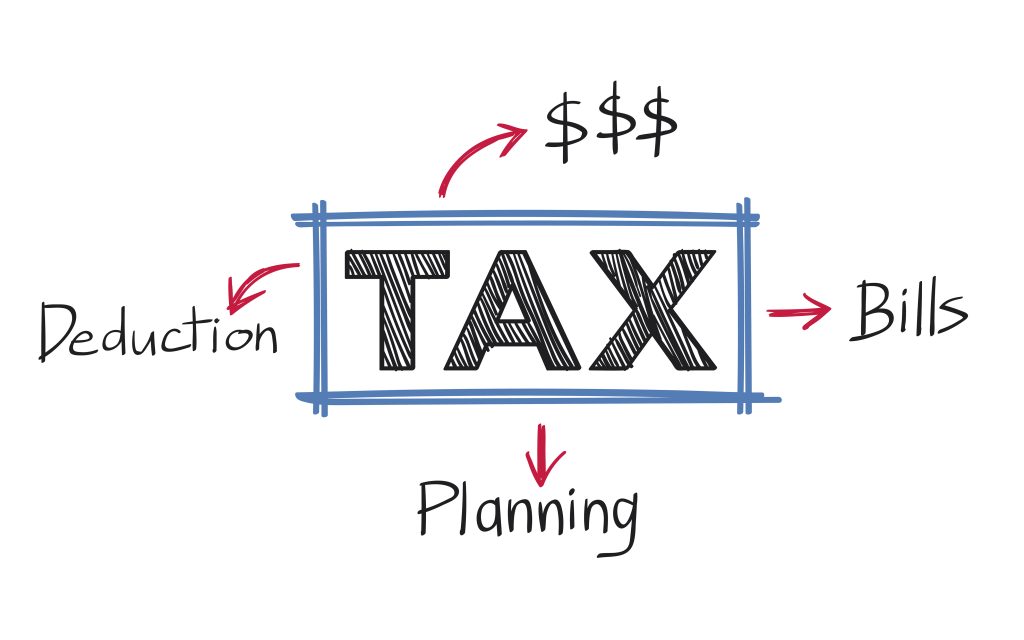
Tax and and bills illustration

A quality schedule will:

  • Identify every depreciable asset in a property
  • Separate capital works from plant and equipment
  • Apply ATO rates safely and correctly
  • Maximise allowable deductions each financial year

Without this:
✘ Investors use estimates
✘ Claim sub-optimal deductions
✘ Miss out on tax savings they’re legally entitled to

This is not just about getting a deduction — it’s about strategic tax planning that supports your broader financial goals.


Final Thoughts: Education Is the Real Advantage

The biggest takeaway isn’t just about tax depreciation — it’s about being proactive.

Property investors who:
✔ Ask the right questions
✔ Work with specialised professionals
✔ Understand how tax, depreciation, and cash flow interact

Are consistently in a stronger financial position than those who simply “lodge and forget.”


📌 Follow Pinnacle Accounting & Advisory for expert tax & property insights.

Stay informed with practical Australian tax strategies, ATO updates, property investing insights, and cash-flow optimisation tips from trusted professionals.

Loading posts…

Contact us Today

General Advice Disclaimer: The information in this article is general in nature and does not constitute personal financial, tax, or legal advice. Your individual circumstances will determine the most appropriate approach for you. Please consult a registered tax adviser or CPA before acting on anything in this article. Liability limited by a scheme approved under Professional Standards Legislation.

Frequently Asked Questions

Why do property investors miss out on depreciation?

Most miss out simply because they never obtain a tax depreciation schedule, so the decline in value of the building and fittings is never claimed. Others wrongly assume older properties do not qualify, when in fact the structure and renovations often still generate deductions.

What is a tax depreciation schedule?

A tax depreciation schedule is a report prepared by a qualified quantity surveyor that sets out the depreciation you can claim on an investment property’s building and fittings each year. Your accountant uses it to claim the deductions in your tax return.

Can I claim depreciation on an older property?

Often yes. While rules limit some claims on previously used items in second-hand residential property, the building structure and any qualifying renovations can still be depreciable. A quantity surveyor can assess what is claimable for your specific property.

How much can depreciation save me?

Depreciation can add thousands of dollars in deductions each year, directly reducing taxable rental income and increasing your refund. The cost of a depreciation schedule is itself deductible and is usually recovered many times over in the first year alone.

This article contains general advice only and does not take into account your specific circumstances. Please speak with a qualified accountant or tax adviser before making financial decisions.

Loading posts…

About Mina Baselyous

Mina Baselyous is a Chartered Tax Advisor (CTA), Certified Practising Accountant (CPA) and Registered Tax Agent based in Melbourne. He founded Pinnacle Accounting & Advisory to give small and medium business owners the proactive, strategic advice most accountants never offer. Read Mina’s full profile and credentials.

LinkedIn  |  Instagram
Read more
Lee Mina Blog Banner 2 Pinnacle Accounting & Advisory

Sales and Accounting Strategy: The Truth About Knowing Your Numbers

Knowing your numbers is the ultimate business strategy: accurate, up-to-date accounts turn guesswork into informed decisions about pricing, spending, hiring and growth. Businesses that understand their financial data consistently outperform those that chase sales without knowing which products or clients actually make money.

A strong sales and accounting strategy is one of the most overlooked advantages in business. When revenue conversations and financial clarity work together, owners make better decisions, sell with confidence, and plan tax proactively.

“People don’t buy with logic. They buy with emotion, and justify with logic.” 


This single insight from sales leader Lee Marshall cuts straight through one of the biggest misconceptions about sales… and it sets the stage for one of the most refreshingly honest conversations you’ll hear about the profession.

In this powerful interview, Lee joins Mina Basilius from Pinnacle Accounting & Advisory to unpack everything from why salespeople get a bad rap, to what accountants misunderstand about advisory, to how introverts can actually outperform extroverts in sales. 

Many business owners treat their sales department and their finance team as two entirely different worlds. One is focused on the “hustle,” and the other is focused on the “history.” However, a powerful and refreshingly honest conversation between Mina and Lee, reveals that these two functions are actually two sides of the same coin. 

If you have been searching for accounting firms near you or a tax agent near you simply to tick a compliance box, you are missing the most powerful tool in your arsenal: the synergy between your revenue generation and your financial clarity. At Pinnacle, we believe that understanding your numbers is the ultimate key to success and the foundation of effective tax planning

Before we unpack the powerful insights from this interview, we highly recommend watching the full conversation firsthand. It sets the tone, gives context, and lets you experience the authentic energy between Mina and Lee, something no written summary can fully capture. 

👉 Watch the full video here: 

1. Sales and Accounting Strategy: Where Psychology Meets the Numbers

sf blog salespeople accountants Pinnacle Accounting & Advisory

Lee’s principle isn’t just about customers — it’s about how you lead your business.

Moving beyond the stereotype

Many people grow up distrusting salespeople, viewing them as pushy or manipulative thanks to Hollywood stereotypes. Lee argues this often comes down to poor training: people are told to “hit targets” without understanding human behaviour.

The power of questions

Great sales — and great accounting advisory — start with asking the right questions rather than pushing an agenda. When a prospect feels understood, they relax. When they feel pressured, they resist.

This is exactly why an effective sales and accounting strategy matters: it replaces random action with clarity and intention.

If you’re a business owner building your foundations, this article pairs well with:
<a href=”https://pinnacleaccountingadvisory.com.au/building-a-strong-foundation-for-your-business-9-key-components-for-setting-up-a-company/” target=”_blank” rel=”noopener”>Building A Strong Foundation For Your Business: 9 Key Components For Setting Up A Company</a>. Pinnacle Accounting & Advisory

The professional advisor

Just as Lee shifted from cold calling to an empathy-led philosophy, Pinnacle has evolved beyond “just compliance.” We help business owners use their numbers to solve real frustrations — like cash flow stress, uncertainty, and growth decisions.


2. The IKEA Principle: Building a Solution Together

One of the most impactful concepts Lee discusses is the “IKEA Curve.” People value outcomes more when they help build them.

As business advisors, we don’t just hand you a report and say “good luck.” We guide you through:

  • What problem you’re facing and why it exists
  • What you’ve already tried (and what it costs you to stay the same)
  • What success looks like if the problem disappears

That’s how a sales and accounting strategy becomes self-owned — not just “advice you were told.”


3. Bridging Sales, Marketing, and Accounting

business agreement handshake hand gesture 53876 130006 Pinnacle Accounting & Advisory

In many companies, marketing blames sales for weak conversions, and sales blames marketing for weak leads. Lee argues marketing’s job is to communicate problems, while sales’ job is to solve them.

At Pinnacle, we add a third layer:

Accounting’s job is to quantify them.

When sales and finance work together, you can see:

  • which sales activities drive the most profit
  • what your “best customers” really cost to serve
  • what revenue is actually sustainable

This is where sales and accounting strategy stops being theory and becomes a measurable growth system.

For a broader “save money + grow” strategy, link here:
How your Small Business Accountant can save you money now


4. Beyond Compliance: Why You Need a Business Advisor

If you’ve been searching for “accounting firms near me” or “tax agent near me” just to tick a compliance box, you’re missing the most powerful tool in your arsenal: the synergy between revenue generation and financial clarity.

A strong sales and accounting strategy supports:

Effective tax planning

True wealth isn’t just what you earn — it’s what you keep. Tax planning isn’t a once-a-year event. It’s a strategy that supports better decisions all year round.

Link to your planning pillar here:
2025 Business Tax Planning: Essential Tip

Compliance that protects growth

As a business scales, compliance mistakes get more expensive. Division 7A is one of the most common “hidden traps” business owners stumble into.

Use this internal link to keep readers on-site:
Top 5 Critical Division 7A Loan Traps To Avoid Now


5. Success is a Human Conversation

Ultimately, great sales and great accounting are both about leadership.

Clients don’t just want compliance.
They want:

  • clarity
  • advice
  • a partner who understands their goals
  • someone who can help them build wealth, reduce risk, and move toward their ideal life

And this is why the best results come from combining psychology + numbers into one sales and accounting strategy that supports real decisions.


6. Ready to Master Your Numbers?

Don’t wait until a deadline to think about business strategy. Build clarity now — so you can sell more effectively, plan tax proactively, and make decisions with confidence.
✅ Speak to Pinnacle Accounting & Advisory about strategy-led accounting and tax planning

General Advice Disclaimer: The information in this article is general in nature and does not constitute personal financial, tax, or legal advice. Your individual circumstances will determine the most appropriate approach for you. Please consult a registered tax adviser or CPA before acting on anything in this article. Liability limited by a scheme approved under Professional Standards Legislation.

Frequently Asked Questions

Why is knowing your numbers important in business?

Because decisions based on accurate numbers beat decisions based on gut feel. Knowing your margins, cash flow and profitability tells you which products, clients and activities actually make money, so you can do more of what works and stop what does not.

What financial information should I track?

Track revenue, gross and net profit, margins by product or service, cash flow, and your breakeven point. Reliable, up-to-date bookkeeping is the foundation, because without accurate records there are no meaningful reports to base decisions on.

Is high revenue the same as a healthy business?

No. Revenue is vanity; profit and cash flow are reality. A business can grow sales while losing money on poor margins or slow-paying customers. Knowing your numbers reveals whether growth is actually making you better off.

How do accurate accounts help me grow?

Accurate accounts let you see what is working, price correctly, control costs, forecast cash, and make confident decisions about hiring and investment. They also make it far easier to secure finance and eventually sell the business at a strong price.

This article contains general advice only and does not take into account your specific circumstances. Please speak with a qualified accountant or tax adviser before making financial decisions.

Loading posts…

About Mina Baselyous

Mina Baselyous is a Chartered Tax Advisor (CTA), Certified Practising Accountant (CPA) and Registered Tax Agent based in Melbourne. He founded Pinnacle Accounting & Advisory to give small and medium business owners the proactive, strategic advice most accountants never offer. Read Mina’s full profile and credentials.

LinkedIn  |  Instagram

Read more
Top 5 Critical Division 7A Loan Traps To Avoid Now Pinnacle Accounting & Advisory

Top 5 Critical Division 7A Loan Traps To Avoid Now

Are you a company director or business owner looking to withdraw funds from your company? You might be considering loans, dividends, or even using your company to minimise tax — but watch out! Failing to comply with Division 7A loan rules under the Income Tax Assessment Act could result in hefty penalties, unfranked dividends, and a tax bill that’s much higher than expected.

This guide breaks down the most common Division 7A traps you should avoid to stay compliant and protect your finances.

In this guide, we’ll walk you through the top 7 critical Division 7A loan traps that every business owner must avoid. Whether you’re a director borrowing from your company or a trustee managing investment company funds, Division 7A affects how you structure loans, withdrawals, and distributions. If you’re unsure about the rules, the consequences can be costly.

Why You Should Care About Division 7A Compliance

Division 7A is designed to prevent tax avoidance by restricting how funds are withdrawn from a private company. When business owners take loans from their companies, they must comply with the rules surrounding these withdrawals. Non-compliance can result in unfranked dividends — meaning you won’t receive the benefit of any franking credits — and could face a significantly higher personal tax bill.

To help ensure your business remains compliant and avoids costly mistakes, it’s essential to engage in proper tax planning. Our tax planning services for Melbourne businesses outline key strategies to effectively manage your tax obligations and ensure you’re operating within the law.

Get your structure right

Most Division 7A traps are structural, and preventable

Director loans, unpaid entitlements and poorly documented arrangements all trace back to structure. We review and fix these for Melbourne business owners before they become a deemed dividend.

Explore Business Structuring →

Not sure where you stand? Take our Profit & Tax Health Check, or download our guide, 7 Tax Strategies Every $500K+ Business Should Be Using.

Trap #1: Ignoring the Distributable Surplus Rule

What Is Distributable Surplus?

Distributable surplus refers to the amount of a company’s profit that can be distributed to shareholders or loaned to directors without triggering tax implications. Division 7A rules only allow loans if the company has sufficient distributable surplus to cover the loan amount.

For a detailed explanation of how distributable surplus works — including worked examples for Melbourne business owners — see our related guide: Division 7A Distributable Surplus — What Melbourne Business Owners Need to Know.

Why It Matters

If your company has not accumulated enough distributable surplus, any loan you take may be treated as a deemed dividend, with the corresponding tax consequences. For instance, if your company has $100,000 in profits and a retained surplus of $30,000, the maximum loan under Division 7A is $30,000. Any amount beyond that could lead to a deemed unfranked dividend.

Trap #2: Failing to Create a Written Loan Agreement On Time

The Importance of Written Loan Agreements

Under Division 7A, any loan taken from a private company must be supported by a complying loan agreement that outlines key terms such as the interest rate and repayment schedule. This loan agreement must be signed by the due date for lodgement of the company’s income tax return for the income year in which the loan was made. If you don’t have a loan agreement in place by that deadline, the ATO will treat the loan as an unfranked dividend.

The ATO sets a benchmark interest rate annually for Division 7A loans. For the current rate applicable to your loans, always check ato.gov.au. For a full breakdown of historical rates and how the benchmark is determined, see: Division 7A Interest Rate 2025–26 — What Business Owners Need to Know. Interest must be charged at at least this rate for the loan to remain complying.

Risks of Non-Compliance

Without a written loan agreement executed before the lodgement deadline, you risk having the loan treated as a deemed dividend — losing any franking credits and facing a much higher personal tax bill. There is no way to retrospectively fix a missed loan agreement deadline.

Trap #3: Missing or Underpaying Minimum Annual Repayments

What Are Minimum Annual Repayments?

Division 7A loans are subject to minimum annual repayments that must be paid every year. The repayment terms must comply with the loan term — either a maximum of 7 years for unsecured loans, or 25 years if secured by a registered mortgage over real property. For a detailed walkthrough of how minimum repayments are calculated, including a worked example, see: Division 7A Loan Repayments: How They Work and What Happens If You Miss Them.

Consequences of Underpayment or Missing Repayments

If you miss a minimum annual repayment or underpay, the shortfall is treated as an unfranked dividend included in your assessable income for that year and taxed at your marginal rate. This happens more often than you’d think when repayments are not actively monitored throughout the year — especially when business cash flow is tight.

Trap #4: Poor Structuring of Trust Distributions to Bucket Companies

Why Trust-to-Company Distributions Are Risky

A bucket company is often used within a family trust structure for asset protection and wealth accumulation. When a family trust distributes income to a bucket company but doesn’t actually pay the cash across, an unpaid present entitlement (UPE) arises. If this UPE is not properly managed under Division 7A, it may be treated as a deemed loan from the bucket company — triggering Division 7A issues.

How to Avoid This Trap

To avoid triggering Division 7A in a trust and bucket company structure:

  • Ensure a formal loan agreement exists between the bucket company and the family trust, documenting the terms, interest rate, and repayment schedule
  • Document all UPE transactions properly and ensure they comply with Division 7A sub-trust requirements
  • Consider placing the UPE on a compliant sub-trust arrangement where required
  • Consult with a tax adviser to ensure proper handling of all distributions and withdrawals from the structure

Trap #5: Assuming Division 7A Doesn’t Apply to Investment Companies

Many business owners mistakenly believe that investment companies — which don’t engage in active trading — are exempt from Division 7A. However, Division 7A applies to all private companies, including investment entities, wherever a loan is made to a shareholder or their associate.

For example, if an investment company loans $50,000 to a director, and that loan is not properly documented with a complying agreement, it will be treated as a deemed unfranked dividend, subject to personal tax at the director’s marginal rate.

Trap #6: Making Interest Payments After the 30 June Deadline

Even if you have a complying Division 7A loan agreement in place, the interest on that loan must actually be paid by 30 June each year — not just accrued in the accounts or dealt with at tax time. This trap catches many business owners off guard.

Under Division 7A, the annual minimum repayment must include the interest component, and that interest must be physically paid (not merely journalled) by 30 June. If interest is not paid by 30 June, the ATO treats the shortfall as an unfranked dividend for that income year — even if the loan agreement is otherwise fully compliant.

How to avoid it: Set a reminder well before 30 June each year to calculate and pay your Division 7A minimum annual repayment, including the interest component. This cannot be corrected after year-end — it must be done before 30 June.

Trap #7: Loans to Associates of Shareholders — Often Overlooked

Division 7A doesn’t just apply to direct loans made to shareholders. It also captures loans made to associates of shareholders — which includes spouses, children, related trusts, and related companies. This is one of the most commonly overlooked aspects of Division 7A compliance.

For example, if a private company lends money to a shareholder’s spouse to fund a property purchase, or makes a loan to a family trust controlled by a shareholder, Division 7A applies in exactly the same way as it would to a direct shareholder loan. The same obligations arise: a complying loan agreement must be in place, interest must be charged at or above the ATO benchmark rate, and minimum annual repayments must be made each year.

How to avoid it: Before any funds leave a private company — whether to a shareholder directly or to a related party — confirm with your tax adviser whether Division 7A applies. Don’t assume it only captures direct shareholder loans.

What Happens If You Get Division 7A Wrong?

The consequences of a Division 7A breach are significant and often come as a shock at tax time. When Division 7A is triggered, the loan amount (or the shortfall — such as an underpaid repayment or missed interest payment) is treated as an unfranked dividend in the hands of the shareholder or associate.

This means:

  • The deemed dividend is included in the recipient’s assessable income for that income year
  • It is taxed at the shareholder’s marginal tax rate — which can be up to 47% including the Medicare levy
  • Because it is unfranked, there is no franking credit to offset the tax liability
  • The same profit is effectively taxed twice: once inside the company at the corporate rate, and again personally as a deemed unfranked dividend
  • ATO interest and penalties may apply if the arrangement is reviewed or audited

This is exactly why Division 7A compliance must be managed proactively — not reactively. A single missed loan agreement or late repayment can result in a personal tax bill of tens of thousands of dollars. For the five strategies that prevent this outcome, see: How to Avoid a Division 7A Deemed Dividend — 5 Strategies That Work.

Complying Division 7A Loan Agreement — Checklist

For a Division 7A loan to be treated as a genuine loan (rather than a deemed dividend), the loan agreement must meet all of the following requirements:

  • In writing — the agreement must be documented and signed by both parties
  • Signed before the lodgement deadline — the agreement must be executed before the company’s income tax return is lodged for the year the loan was made (or by the due date for lodgement, whichever is earlier)
  • Specifies the loan term — maximum 7 years for unsecured loans; maximum 25 years if secured by a registered mortgage over real property
  • Specifies the interest rate — interest must be charged at or above the ATO benchmark rate for each income year of the loan (check ato.gov.au for the current rate)
  • Minimum annual repayments required — the agreement must specify that minimum annual repayments (calculated under the Division 7A formula) must be paid by 30 June each year

If any of these elements are absent, the loan will not qualify as a complying Division 7A loan — and the full amount could be deemed an unfranked dividend in the year the loan was made.

Further Division 7A Reading

For a deeper understanding of how distributable surplus affects your Division 7A position, read: Division 7A Distributable Surplus — What Melbourne Business Owners Need to Know. For the complete guide to how Division 7A works — including who it applies to and how deemed dividends arise — see: Division 7A Explained: The Complete Guide for Australian Business Owners. For strategies to eliminate an existing loan, see: Division 7A — Eliminating the Loan: An Essential Melbourne Business Tax Guide. For broader tax strategies to protect your business, see our tax planning services for Melbourne businesses.

Make sure every Division 7A loan your business makes is backed by the correct structure and documentation. The cost of getting it wrong far exceeds the cost of getting it right.

Frequently asked questions

What is Division 7A and who does it apply to?

Division 7A is a set of tax rules within the Income Tax Assessment Act 1936 that prevents private companies from distributing profits to shareholders or associates in a tax-free way by disguising them as loans, payments, or debt forgiveness. It applies to all private companies, including trading companies, investment companies, and holding companies, whenever a loan is made to a shareholder or their associate. Speak with a Pinnacle Accounting & Advisory adviser for personalised guidance.

What is the Division 7A benchmark interest rate for 2025-26?

The ATO sets the Division 7A benchmark interest rate annually. For the 2025-26 income year, the rate was 8.37% per annum. For the current rate, always check ato.gov.au. Interest must be charged at or above this rate on all complying Division 7A loans, and must be physically paid by 30 June each year. Speak with a Pinnacle Accounting & Advisory adviser for personalised guidance.

Can a family trust be caught by Division 7A?

Yes. Division 7A can apply where a private company has an unpaid present entitlement (UPE) from a trust, for example, where a family trust distributes income to a bucket company but does not actually pay the cash. If the UPE is not placed on a compliant sub-trust or covered by a complying loan agreement, the ATO may treat it as a deemed loan subject to Division 7A. Speak with a Pinnacle Accounting & Advisory adviser for personalised guidance.

What is the deadline for putting a Division 7A loan agreement in place?

The loan agreement must be in place by the earlier of: the due date for lodging the company’s income tax return for the year the loan was made, or the actual lodgement date. If this deadline is missed, the loan is treated as a deemed unfranked dividend, and there is no retrospective fix. Any company loans must be identified and documented well before the return is lodged. Speak with a Pinnacle Accounting & Advisory adviser for personalised guidance.

What happens if Division 7A is triggered accidentally?

If Division 7A is triggered, the loan amount or shortfall is treated as an unfranked dividend and included in the shareholder’s assessable income for that year. It is taxed at the shareholder’s marginal rate, up to 47% including the Medicare levy, with no franking credit to offset the liability. Contact a registered tax adviser as soon as possible to understand your options. Speak with a Pinnacle Accounting & Advisory adviser for personalised guidance.

Ready to Protect Your Business from Division 7A Issues?

Mina Baselyous — CPA and Chartered Tax Adviser — works with Melbourne business owners to review Division 7A arrangements, put complying loan agreements in place, and prevent costly ATO issues before they arise.

If you’re unsure whether your company or trust structure complies with Division 7A, book a consultation today. Don’t wait until tax time — getting the right structure in place now could save you from a significant and avoidable tax liability.

Book a Consultation with Mina →

General Advice Disclaimer: The information in this article is general in nature and does not constitute personal financial, tax, or legal advice. Your individual circumstances will determine the most appropriate approach for you. Please consult a registered tax adviser or CPA before acting on anything in this article. Liability limited by a scheme approved under Professional Standards Legislation.

This article contains general advice only and does not take into account your specific circumstances. Please speak with a qualified accountant or tax adviser before making financial decisions.

Loading posts…

About Mina Baselyous

Mina Baselyous is a Chartered Tax Advisor (CTA), Certified Practising Accountant (CPA) and Registered Tax Agent based in Melbourne. He founded Pinnacle Accounting & Advisory to give small and medium business owners the proactive, strategic advice most accountants never offer. Read Mina’s full profile and credentials.

LinkedIn  |  Instagram
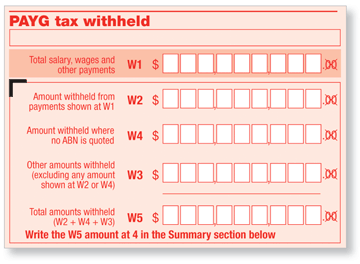
Read more
Chat with us on Messenger