Skip to main content Skip to search

Posts by Mina Baselyous

Division 293 Blog Banner Pinnacle Accounting & Advisory

Division 293 Tax Explained: What High-Income Earners Need to Know

Division 293 tax is an extra 15% tax on concessional (before-tax) super contributions for high income earners. It applies when your income plus concessional contributions exceed $250,000 in a year, effectively reducing the tax concession on the affected contributions from 30% down to 15%.

For many Australians, superannuation is one of the most effective long-term wealth-building tools available. However, if your income exceeds certain thresholds, you may be subject to division 293 tax which reduces the concessional tax benefits of super contributions.

This tax often catches people by surprise, particularly business owners and professionals whose income fluctuates.

In this article, we explain division 293 tax, who it applies to, how it is calculated, and what steps you can take to manage its impact effectively.


What Is Division 293 Tax?

articles2FdIA4zJ8KWv1ZTUgf7Zxx 1 Pinnacle Accounting & Advisory

This tax is an additional 15% charged on certain concessional superannuation contributions made by high-income earners.

It is designed to reduce the tax advantage that higher-income individuals receive from super contributions compared to lower-income earners.

Instead of concessional contributions being taxed at only 15%, affected individuals may effectively pay up to 30% tax on those contributions.


Who Does This Tax Apply To?

It generally applies if your combined income and concessional contributions exceed $250,000 in a financial year.

This includes:

  • taxable income
  • reportable fringe benefits
  • net investment losses
  • concessional super contributions

Many people cross the threshold due to:

  • business profits
  • one-off bonuses
  • capital gains
  • trust distributions
  • company income

This is why proactive tax planning is essential, particularly where income is not consistent year-to-year. Strategic planning earlier in the year can significantly reduce surprises, as discussed in
👉 Mid-Year Tax Planning: What to Do Now to Maximise Your EOFY Tax Outcome


What Contributions Are Affected?

Division 293 tax applies to concessional contributions, including:

  • employer Super Guarantee contributions
  • salary sacrifice contributions
  • personal deductible super contributions

It does not apply to:

  • non-concessional (after-tax) contributions
  • super earnings within the fund

Understanding how contributions interact with your broader income is critical, especially for business owners with multiple income sources.


How Is Division 293 Tax Calculated?

The ATO calculates Division 293 tax as 15% of the lesser of:

  • your concessional contributions, or
  • the amount by which your income exceeds $250,000

The ATO will issue a Division 293 assessment notice, and you can choose to:

  • pay the tax personally, or
  • release funds from your super to pay it

Common Situations Where Division 293 Tax Arises

We frequently see this tax triggered in situations such as:

  • trust distributions to individuals
  • company directors receiving high employer contributions
  • business owners with fluctuating income
  • individuals receiving large one-off capital gains

This is why understanding how income flows through structures is important, particularly where trusts or companies are involved. Poor planning can also interact with other tax rules, such as those discussed in
👉 Top 5 Division 7A Loan Traps to Avoid


Can This Tax Be Reduced?

images 1 Pinnacle Accounting & Advisory

While division 293 tax cannot always be avoided, its impact can often be managed through proactive planning, including:

  • reviewing the timing of income and bonuses
  • managing trust distributions
  • understanding super contribution strategies
  • planning capital gains events
  • reviewing overall structure and cash flow

Effective planning relies on strong financial visibility and systems — not last-minute decisions — as outlined in
👉 The Truth About Sales & Accounting: Why Knowing Your Numbers Is the Ultimate Business Strategy


Why Business Owners Need to Be Especially Careful

images 6 Pinnacle Accounting & Advisory

Business owners often underestimate their exposure because:

  • income fluctuates
  • profits may flow through trusts or companies
  • super contributions are not always reviewed alongside tax planning

Separating accounts and maintaining clear financial systems helps reduce errors and surprises, as explained in
👉 The 6 Bank Accounts Every Business Owner Needs

Or watch the video:


Final Thoughts

This tax is not a penalty — but it does reduce the tax effectiveness of super contributions for higher-income earners.

The key is awareness and planning.

If your income approaches or exceeds $250,000, division 293 tax should be considered as part of your broader:

  • tax planning
  • superannuation strategy
  • business and investment structure

Early advice almost always leads to better outcomes than reacting to an ATO notice after the fact.

What is Division 293 tax in Australia?

Division 293 tax is an additional 15% tax on concessional superannuation contributions for individuals whose income and contributions exceed $250,000 in a financial year.

How do I know if I need to pay Division 293 tax?

The ATO assesses Division 293 tax after reviewing your tax return and super contribution data. If applicable, you will receive a Division 293 assessment notice.

Can Division 293 tax be paid from my super?

Yes. You can elect to release funds from your superannuation account to pay the Division 293 tax instead of paying it personally.

Can Division 293 tax be avoided?

It cannot always be avoided, but its impact can often be reduced with proactive income, contribution, and structure planning well before the end of the financial year.

General Advice Disclaimer: The information in this article is general in nature and does not constitute personal financial, tax, or legal advice. Your individual circumstances will determine the most appropriate approach for you. Please consult a registered tax adviser or CPA before acting on anything in this article. Liability limited by a scheme approved under Professional Standards Legislation.

This article contains general advice only and does not take into account your specific circumstances. Please speak with a qualified accountant or tax adviser before making financial decisions.

Frequently Asked Questions

What is Division 293 tax?

Division 293 is an additional 15% tax on concessional super contributions for high income earners. It applies where your combined income and concessional contributions exceed the $250,000 threshold, and it effectively halves the usual tax concession on the affected contributions.

Who has to pay Division 293 tax?

You may pay Division 293 if your income for surcharge purposes plus your concessional (before-tax) super contributions exceed $250,000 in an income year. The ATO calculates it automatically after you and your super fund lodge, and then issues you a notice of assessment.

How much is Division 293 tax?

It is an extra 15% on the concessional contributions above the $250,000 threshold. Combined with the standard 15% contributions tax, this means those contributions are effectively taxed at 30%, which is still concessional compared with the top marginal tax rate.

How do I pay Division 293 tax?

You can pay the assessment from your own funds or elect to release the amount from your super fund. High earners should factor Division 293 into their contribution planning, as it changes the after-tax value of salary sacrificing into super.

7 Tax Strategies Every $500K+ Business Should Be Using

The legal strategies most established business owners never hear about — download the guide straight to your inbox.

Get the Guide →
Loading posts…

About Mina Baselyous

Mina Baselyous is a Chartered Tax Advisor (CTA), Certified Practising Accountant (CPA) and Registered Tax Agent based in Melbourne. He founded Pinnacle Accounting & Advisory to give small and medium business owners the proactive, strategic advice most accountants never offer. Read Mina’s full profile and credentials.

LinkedIn  |  Instagram

Read more
Marketing Blog banner Pinnacle Accounting & Advisory

The Importance of Marketing in Business: Why Growth Depends on It

Marketing is essential to business because it drives awareness, generates leads, and turns a good product or service into a growing business. Without consistent marketing, even excellent businesses struggle to be found. Effective marketing communicates your value to the right customers and builds the pipeline that sustains and grows revenue.

Many business owners believe that if they deliver a great product or service, customers will naturally follow. In reality, marketing is what creates visibility, demand, and predictable growth, highlighting the importance of marketing in business. The importance of marketing in business cannot be overstated, as it lays the foundation for success.

No matter how strong your operations are, without effective marketing your business risks stagnation. Marketing is not an optional expense , it is a core business function that directly impacts revenue, cash flow, and long-term success.

Understanding the importance of marketing in business is essential for every entrepreneur.

At Pinnacle Accounting & Advisory, we see firsthand how businesses that understand the link between marketing performance and financial strategy consistently outperform those that don’t.


What Is Marketing in Business?

marketing Pinnacle Accounting & Advisory

Marketing is the process of:

  • communicating your value to the market
  • attracting the right customers
  • converting interest into sales
  • retaining clients over time

Effective business marketing includes:

  • brand positioning
  • digital marketing strategies
  • lead generation
  • content marketing
  • client communication

The importance of marketing in business also includes maintaining a competitive edge.

Marketing is not just advertising — it’s how your business is understood, remembered, and chosen.

Recognizing the importance of marketing in business helps drive strategic decisions.


Why Marketing Is Critical for Business Growth

what is marketing Pinnacle Accounting & Advisory

Marketing Drives Revenue (and Predictability)

Without consistent marketing:

  • leads dry up
  • sales become unpredictable
  • cash flow becomes reactive

Marketing creates a pipeline that supports forecasting, staffing decisions, and investment planning.

This is why we often tell clients that marketing performance should be reviewed alongside financial reports, not separately — a principle explored in
👉 The Truth About Sales & Accounting: Why Knowing Your Numbers Is the Ultimate Business Strategy

Or watch the video:


Marketing Builds Brand Trust and Market Position

Customers buy from businesses they:

  • recognise
  • trust
  • understand

Consistent marketing builds familiarity and authority over time. In competitive markets, businesses without clear messaging are quickly overlooked — regardless of how good their service is.


When considering growth, the importance of marketing in business is often a key factor.

Marketing and Cash Flow Go Hand-in-Hand

GettyImages 490024232 ce77fc165c6147d2a4a6fa1c28824297 Pinnacle Accounting & Advisory

One of the biggest issues we see as accountants and business advisors is underinvestment in marketing due to short-term cash flow fear.

Businesses that don’t plan for marketing often experience:

  • inconsistent income
  • panic spending during slow periods
  • reliance on discounts or referrals

This is why we encourage clients to budget for marketing intentionally, including allocating funds to a dedicated account — as outlined in
👉 The 6 Bank Accounts Every Business Owner Needs

Or watch the video:


Marketing Is a System, Not a One-Off Expense

Marketing works best when it is:

  • consistent
  • measurable
  • aligned with business goals

At Pinnacle Accounting & Advisory, we help clients assess whether:

Investing in the importance of marketing in business can yield high returns.

Understanding the importance of marketing in business is critical for long-term sustainability.

  • marketing spend is sustainable
  • return on investment can be measured
  • growth is supported by systems, not stress

Random or reactive marketing usually leads to poor financial outcomes.

To thrive, businesses must grasp the importance of marketing in business.


Every entrepreneur should prioritize the importance of marketing in business.

Marketing Helps You Understand Your Numbers

Marketing data provides insight into:

  • cost per lead
  • conversion rates
  • customer lifetime value
  • pricing effectiveness

When marketing performance is tied to financial data, business owners make far better decisions around pricing, staffing, and expansion.

This is where accounting and marketing intersect — and where advisory support adds the most value.


Marketing Without Structure Increases Risk

Growth without structure can create serious issues:

  • GST and PAYG pressure
  • payroll strain
  • cash flow gaps
  • compliance risk

Rapid growth driven by marketing must be matched with strong financial systems, or businesses can quickly fall behind.

This is why businesses experiencing growth often face increased ATO scrutiny, as explained in
👉 ATO Audit Support for Businesses: What It Is and Why It Matters


Why Many Businesses Struggle With Marketing Decisions

Common reasons include:

  • not knowing whether marketing is working
  • fear of wasting money
  • lack of financial visibility
  • no clear growth strategy

A clear strategy highlighting the importance of marketing in business can enhance profitability.

As accountants and advisors, we help clients remove guesswork by tying marketing decisions back to real numbers and outcomes.


How Pinnacle Accounting & Advisory Supports Smarter Marketing Decisions

At Pinnacle Accounting & Advisory, we don’t run marketing campaigns — but we do help businesses fund, measure, and sustain them.

We help clients:

  • understand how much they can safely invest in marketing
  • align marketing spend with cash flow
  • assess whether growth is financially sustainable
  • ensure compliance keeps pace with expansion
  • move from reactive decisions to strategic planning

Final Thoughts: Marketing Is a Growth Engine — Not a Gamble

The importance of marketing in business cannot be overstated.

When supported by proper financial planning, marketing:

  • drives revenue
  • stabilises cash flow
  • builds long-term value
  • reduces business risk

Businesses that treat marketing as a strategic investment, not a last-minute expense, are far better positioned to grow sustainably.

Why is marketing important for small businesses?

Marketing helps small businesses attract customers, build brand awareness, and create predictable revenue, which supports cash flow and long-term stability.

How does marketing impact cash flow?

Consistent marketing creates predictable sales pipelines, making cash flow easier to forecast and manage.

How much should a business spend on marketing?

Many businesses allocate between 5% and 10% of revenue, but the right amount depends on growth stage, industry, and financial capacity.

How can an accountant help with marketing decisions?

An accountant helps ensure marketing spend is affordable, sustainable, measurable, and aligned with overall business strategy and compliance obligations.

General Advice Disclaimer: The information in this article is general in nature and does not constitute personal financial, tax, or legal advice. Your individual circumstances will determine the most appropriate approach for you. Please consult a registered tax adviser or CPA before acting on anything in this article. Liability limited by a scheme approved under Professional Standards Legislation.

Frequently Asked Questions

Why is marketing important for business?

Marketing drives awareness, attracts and nurtures leads, and converts them into customers, creating the revenue pipeline a business depends on. Even the best product will not sell if customers do not know it exists, which is why consistent marketing is essential to growth.

How much should a business spend on marketing?

A common guideline is around 5 to 10% of revenue, higher for businesses in growth mode. What matters more than the exact figure is measuring the return on each channel, so you invest more in what works and less in what does not.

What types of marketing work best for small business?

For most small businesses, a strong local online presence, referrals, content and email marketing, and social media deliver good returns. The best mix depends on where your ideal customers spend their time and how they make buying decisions.

How do I know if my marketing is working?

Track leads and sales by source, the cost to acquire a customer, and the revenue each channel produces, rather than vanity metrics like likes. This tells you which marketing actually drives paying customers so you can focus your budget effectively.

This article contains general advice only and does not take into account your specific circumstances. Please speak with a qualified accountant or tax adviser before making financial decisions.

Loading posts…

About Mina Baselyous

Mina Baselyous is a Chartered Tax Advisor (CTA), Certified Practising Accountant (CPA) and Registered Tax Agent based in Melbourne. He founded Pinnacle Accounting & Advisory to give small and medium business owners the proactive, strategic advice most accountants never offer. Read Mina’s full profile and credentials.

LinkedIn  |  Instagram

Read more
First day of work blog banner Pinnacle Accounting & Advisory

What Does an Employee Need to Provide on Their First Day of Work in Australia?

Before a new employee’s first day in Australia, you need their Tax File Number declaration, super fund choice (or their stapled fund from the ATO), bank details and a signed employment agreement, and you must give them the Fair Work Information Statement. You then set them up in payroll with the correct pay rate, PAYG withholding and Single Touch Payroll reporting.

When onboarding a new employee, it’s not just about contracts and introductions — there are specific documents employers must collect from day one to meet payroll, tax, and superannuation obligations.

Failing to obtain the correct information at the start of employment can lead to:

  • incorrect PAYG withholding
  • superannuation compliance breaches
  • ATO penalties
  • payroll errors that are difficult to fix later

This article explains what an employee must provide on their first day of work in australia, what employers are legally required to do, and how having proper systems protects your business. Ensuring all the necessary documents are ready on the first day of work in australia is crucial for a smooth start. The information collected on the first day of work in australia can significantly impact the overall onboarding experience.


Why First-Day Employee Information Matters

how to prepare for your first day of work Pinnacle Accounting & Advisory

From an ATO and Fair Work perspective, the first day of employment is critical.

Accurate employee onboarding ensures:

On the first day of work in australia, employees should be prepared to provide all necessary documentation. This includes details that will ensure their onboarding goes smoothly.

  • correct tax is withheld from wages
  • superannuation is paid correctly and on time
  • payroll reporting is compliant
  • employee entitlements are tracked accurately

Poor onboarding is one of the most common causes of payroll errors and compliance issues.


For employers

Hiring staff? Get payroll and your obligations right from day one

Super, PAYG, Single Touch Payroll and Fair Work obligations start the moment you take someone on. We help Melbourne business owners set up payroll and stay compliant as the team grows.

Talk to Our Team →

Prefer to read up first? Download our guide, 7 Tax Strategies Every $500K+ Business Should Be Using.

Tax File Number (TFN) Declaration

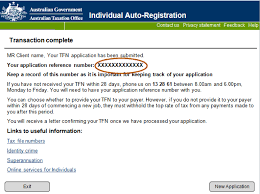
images 2 Pinnacle Accounting & Advisory

One of the most important documents an employee must provide is a TFN Declaration.

The TFN Declaration:

  • tells the employer the employee’s tax file number
  • confirms whether the employee is claiming the tax-free threshold
  • determines how much PAYG tax is withheld

If an employee does not provide a TFN:

  • tax must generally be withheld at the highest marginal rate

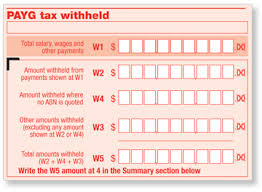
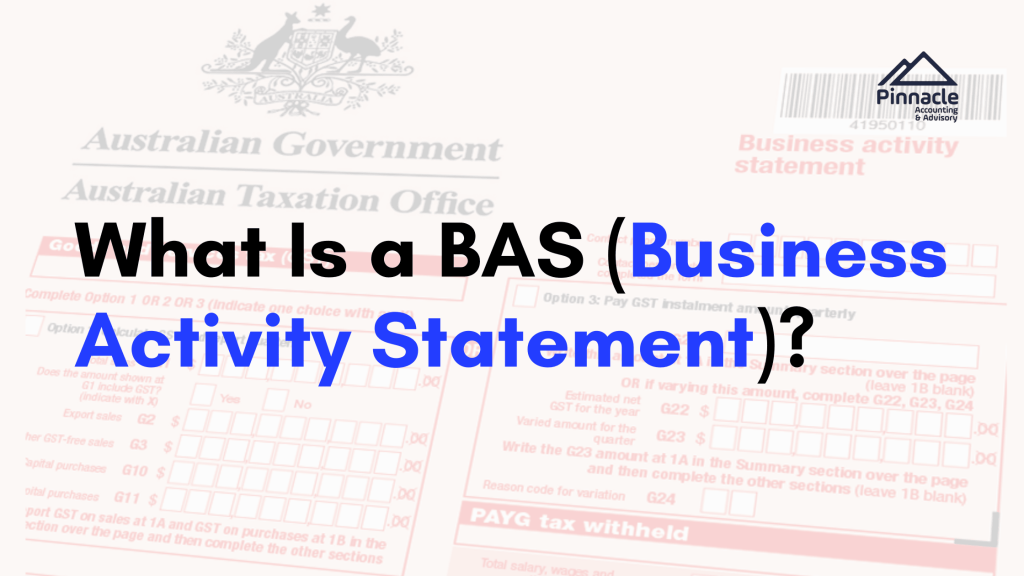
Correct PAYG withholding is then reported to the ATO through your BAS or IAS obligations, which are explained further in
👉 What Is a BAS (Business Activity Statement)?


For your first day of work in australia, ensure all documents are readily available, as this will help streamline the onboarding process.

Superannuation Choice Form

superannuation bg Pinnacle Accounting & Advisory

Lastly, make sure you have your questions ready for your first day of work in australia to ensure clarity moving forward.

Employees must also be given a Superannuation Choice Form when they start work.

This form allows employees to:

  • nominate their preferred super fund, or
  • choose to have super paid into the employer’s default superannuation fund

Employers Must Have a Default Super Fund

Even if an employee does not return the form, employers are still legally required to pay superannuation.

This is why every business must have a default superannuation fund in place.

Failure to pay super on time:

On your first day of work in australia, pay attention to the training provided to ease your transition.

  • results in loss of tax deductions
  • may trigger ATO audits and penalties

Proper planning for super and payroll obligations is essential, as outlined in
👉 The 6 Bank Accounts Every Business Owner Needs


Employment Contract or Letter of Offer

While not an ATO form, a written employment contract or letter of offer is critical.

It should clearly outline:

  • employment type (full-time, part-time, casual)
  • pay rate and award coverage
  • hours of work
  • leave entitlements

Clear documentation helps avoid disputes and ensures employee entitlements are applied correctly. We explore employer obligations further in
👉 What Are Employee Entitlements? A Guide for Australian Employers


Bank Account Details

Employees must provide:

  • bank account details for wage payments

Incorrect or missing details can delay payroll and create administrative issues.


Personal Details and Emergency Contacts

Employers should also collect:

  • full legal name
  • residential address
  • date of birth
  • emergency contact details

These are required for payroll records and compliance purposes.


Payroll Setup and Reporting Obligations

Once employee details are collected, employers must:

Networking with colleagues on your first day of work in australia is an excellent way to build relationships.

  • set the employee up correctly in payroll software
  • ensure PAYG withholding is calculated accurately
  • report payroll information to the ATO

Errors at this stage often lead to later compliance issues and reviews. If payroll or tax reporting is inconsistent, it can increase ATO scrutiny, as explained in
👉 ATO Audit Support for Businesses: What It Is and Why It Matters


First-Day Compliance Is Also a Cash Flow Issue

Employee onboarding impacts more than compliance — it affects cash flow planning.

Wages, PAYG withholding, and superannuation are ongoing obligations that must be budgeted for. Businesses that understand their numbers and plan ahead are far less likely to experience payroll stress, as discussed in
👉 The Truth About Sales & Accounting: Why Knowing Your Numbers Is the Ultimate Business Strategy


Common Employer Mistakes to Avoid

Some common onboarding mistakes include:

  • not collecting TFN declarations on time
  • failing to offer a super choice form
  • not having a default super fund
  • misclassifying employees
  • setting up payroll incorrectly

These errors are avoidable with proper systems and professional advice. Our bookkeeping services include payroll setup, STP reporting, and ongoing compliance.


Final Thoughts

Getting employee onboarding right from day one protects both your employees and your business.

By ensuring employees provide the correct information — and by having strong payroll and superannuation systems — businesses can:

  • meet ATO and Fair Work obligations
  • avoid penalties and audits
  • reduce administrative stress

First-day compliance sets the tone for the entire employment relationship.

During the first day of work in australia, it’s essential to understand both your rights and responsibilities as an employee.

Remember, the first day of work in australia is not just another day; it sets the foundation for your future in the company.

It’s best to arrive early on your first day of work in australia to familiarize yourself with the workplace.

As you prepare for the first day of work in australia, review company policies to ensure you’re aligned with expectations.

Preparing for the first day of work in australia can reduce anxiety and help you feel more confident.

Discussing your role during the first day of work in australia with your supervisor can clarify expectations.

Being proactive on your first day of work in australia shows your commitment and enthusiasm for the job.

Want to pay less tax this financial year?

Download our guide: 7 Tax Strategies Every Business Owner Should Know — practical moves you can make right now.

Download the Free Guide

What documents does an employee need to provide on their first day of work?

Employees typically need to provide a TFN Declaration, superannuation choice form, bank account details, and personal information such as address and date of birth.

What happens if an employee does not provide a TFN?

If an employee does not provide a TFN, employers must generally withhold tax at the highest marginal rate until a valid TFN is received.

Do employers need a default superannuation fund?

Yes. Employers must have a default super fund to pay superannuation if an employee does not nominate their own fund.

Can incorrect onboarding lead to ATO penalties?

Yes. Incorrect payroll setup, missing TFNs, unpaid super, or incorrect PAYG withholding can result in penalties, interest, and ATO audits.

General Advice Disclaimer: The information in this article is general in nature and does not constitute personal financial, tax, or legal advice. Your individual circumstances will determine the most appropriate approach for you. Please consult a registered tax adviser or CPA before acting on anything in this article. Liability limited by a scheme approved under Professional Standards Legislation.

Frequently Asked Questions

What forms does a new employee need to complete?

A new employee should complete a Tax File Number declaration, a superannuation standard choice form, and provide their bank and personal details. You must also give them the Fair Work Information Statement, plus the Casual Employment Information Statement if they are casual, before or when they start.

What super obligations apply to new staff?

You must offer choice of fund. If the employee does not nominate one, request their stapled fund from the ATO before defaulting to your employer fund. The super guarantee is 12% of ordinary time earnings for 2025-26 and must be paid at least quarterly by the due dates.

Do I need to register for PAYG withholding?

Yes. Any business with employees must register for PAYG withholding, withhold tax from each pay, and report every pay run through Single Touch Payroll to the ATO on or before payday. Registration is done through the ATO or your registered tax agent.

What employee records must an employer keep?

Keep employee records for seven years, covering pay, hours worked, leave, superannuation and tax withheld. Both Fair Work and the ATO require accurate, complete records, and significant penalties apply for missing, false or misleading records.

This article contains general advice only and does not take into account your specific circumstances. Please speak with a qualified accountant or tax adviser before making financial decisions.

Loading posts…

About Mina Baselyous

Mina Baselyous is a Chartered Tax Advisor (CTA), Certified Practising Accountant (CPA) and Registered Tax Agent based in Melbourne. He founded Pinnacle Accounting & Advisory to give small and medium business owners the proactive, strategic advice most accountants never offer. Read Mina’s full profile and credentials.

LinkedIn  |  Instagram

Read more
Employee entitlements blog banner Pinnacle Accounting & Advisory

What Are Employee Entitlements? A Guide for Australian Employers

Employee entitlements in Australia are the minimum rights employees are legally owed, set by the National Employment Standards and any applicable award. They include minimum wages, paid annual and personal leave, public holidays, notice of termination, redundancy pay, and superannuation. Employers must meet these as a legal baseline.

Understanding employee entitlements is a critical responsibility for every Australian employer.

Whether you employ one staff member or manage a growing team, employee entitlements affect cash flow, compliance, payroll accuracy, and ATO/Fair Work risk. Many compliance issues arise not because employers intend to do the wrong thing, but because entitlements are misunderstood or not planned for properly.

This article explains what employee entitlements are, what employers must provide under Australian law, and how strong systems help businesses meet their obligations with confidence.


What Are Employee Entitlements?

Melbourne employer reviewing employee entitlements obligations with their accountant

Employee entitlements are the minimum legal benefits and payments employees are entitled to receive under Australian workplace laws, awards, and agreements.

  • full-time employees
  • part-time employees
  • casual employees (with different rules)
  • the Fair Work Act
  • modern awards and enterprise agreements
  • superannuation legislation
  • taxation laws

Super entitlements are also changing significantly — from 1 July 2026, employers must pay superannuation with every pay run rather than quarterly. See our complete guide to payday super and what Melbourne employers must do now.


Key Employee Entitlements in Australia

Key employee entitlements in Australia including wages, superannuation, leave, PAYG and termination payments

Wages and Salaries

  • at least the applicable minimum wage
  • in accordance with their award or agreement
  • on time and in full

Superannuation Guarantee

Superannuation guarantee piggy bank representing compulsory employer super contributions in Australia

Late super payments are not tax deductible and may trigger penalties and audits. This is why separating super and tax funds is essential, as discussed in
👉 The 6 Bank Accounts Every Business Owner Needs


Leave Entitlements

  • annual leave
  • personal/carer’s leave
  • compassionate leave
  • long service leave

PAYG Withholding

Incorrect PAYG withholding often leads to ATO reviews and cash flow stress if not managed properly. The ATO has a full guide on Business Activity Statements (BAS).


Termination Entitlements

  • unused annual leave
  • unused long service leave
  • redundancy pay (where applicable)

Employee Entitlements and ATO / Fair Work Risk

  • late or unpaid superannuation
  • inconsistent payroll reporting
  • incorrect PAYG withholding
  • underpayment of wages

These issues can trigger audits and reviews. We explain this further in
👉 ATO Audit Support for Businesses: What It Is and Why It Matters


Not sure if you’re meeting your employee entitlement obligations?

At Pinnacle, we help Melbourne business owners stay compliant with payroll, superannuation, and entitlement obligations — so you can avoid costly penalties and audits. Book a no-obligation consultation with Mina to review where your business stands.

Book a No-Obligation Consultation →

The Importance of Payroll and Cash Flow Planning

Strong financial awareness and regular review of payroll costs help businesses stay in control, as explained in
👉 The Truth About Sales & Accounting: Why Knowing Your Numbers Is the Ultimate Business Strategy


Common Employee Entitlement Mistakes

  • not budgeting for superannuation
  • missing super payment deadlines
  • misclassifying employees as contractors
  • failing to track leave correctly
  • poor payroll recordkeeping

How Professional Advice Helps

  • correct employee classification
  • accurate payroll processing
  • compliant superannuation payments
  • timely BAS and IAS lodgements
  • reduced audit and penalty risk

Final Thoughts

Employee entitlements are a non-negotiable part of running a business in Australia. Understanding your obligations — and setting up the right systems early — is one of the smartest decisions any employer can make. If you want support getting it right, get in touch with Pinnacle.

Frequently Asked Questions

What are employee entitlements in Australia?

Employee entitlements are the minimum legal benefits employees are entitled to receive, including wages, superannuation, leave, and PAYG withholding obligations.

Are superannuation payments an employee entitlement?

Yes. Superannuation guarantee contributions are a mandatory employee entitlement and must be paid on time to remain tax deductible and compliant.

Do casual employees have entitlements?

Yes. While casual employees do not receive paid leave, they are entitled to higher casual pay rates, superannuation (if eligible), and workplace protections.

What happens if employee entitlements are not paid correctly?

Failure to meet employee entitlements can result in back payments, penalties, ATO or Fair Work audits, and legal action in serious cases.

General Advice Disclaimer: The information in this article is general in nature and does not constitute personal financial, tax, or legal advice. Your individual circumstances will determine the most appropriate approach for you. Please consult a registered tax adviser or CPA before acting on anything in this article. Liability limited by a scheme approved under Professional Standards Legislation.

Frequently Asked Questions

What are employee entitlements in Australia?

Employee entitlements are the minimum legal rights of employees under the National Employment Standards and any relevant award or agreement. They include minimum pay, maximum weekly hours, paid annual and personal leave, public holidays, notice of termination, redundancy pay and superannuation.

What are the National Employment Standards?

The National Employment Standards are the minimum entitlements that apply to all national system employees, covering hours, leave, flexible work requests, notice, redundancy and more. They form the baseline that awards and agreements cannot undercut.

Do casual employees get entitlements?

Casuals receive a higher casual loading instead of paid leave, but they still have entitlements such as superannuation, unpaid carer’s and compassionate leave, and, after a qualifying period, a pathway to permanent employment. Their entitlements differ from full-time and part-time staff.

What happens if an employer does not meet entitlements?

Failing to meet employee entitlements can lead to claims, back-payment orders, and penalties from the Fair Work Ombudsman, as well as ATO action for unpaid super. Keeping accurate records and correct payroll is the best protection for employers.

This article contains general advice only and does not take into account your specific circumstances. Please speak with a qualified accountant or tax adviser before making financial decisions.

Loading posts…

About Mina Baselyous

Mina Baselyous is a Chartered Tax Advisor (CTA), Certified Practising Accountant (CPA) and Registered Tax Agent based in Melbourne. He founded Pinnacle Accounting & Advisory to give small and medium business owners the proactive, strategic advice most accountants never offer. Read Mina’s full profile and credentials.

LinkedIn  |  Instagram

Read more
IAS Blog banner Pinnacle Accounting & Advisory

What Is an IAS (Instalment Activity Statement)?

An Instalment Activity Statement (IAS) is a form used to report and pay certain tax obligations to the ATO, such as PAYG withholding and PAYG instalments, when you are not required to report GST for that period. Businesses not registered for GST, or reporting PAYG monthly, commonly use an IAS between quarterly BAS lodgements.

If you run a business in Australia, you may be familiar with a BAS (Business Activity Statement), but many business owners are less clear on what an IAS (Instalment Activity Statement) is and how it differs.

An IAS is another key ATO reporting obligation and is commonly issued to businesses, employers, and individuals who need to report and pay specific tax instalments outside of the BAS system.

Understanding your IAS obligations is critical for cash flow planning, compliance, and avoiding ATO penalties.


What Is an Instalment Activity Statement (IAS)?

ato additional powers Pinnacle Accounting & Advisory

An Instalment Activity Statement (IAS) is a form issued by the Australian Taxation Office (ATO) that allows taxpayers to report and pay certain tax obligations when a BAS is not required for that period.

Understanding the Instalment Activity Statement is crucial for accurate tax reporting.

Every business should understand the significance of the Instalment Activity Statement in their financial management.

An IAS is commonly used to report:

  • PAYG income tax instalments
  • PAYG withholding (for wages or payments to contractors)
  • Fringe Benefits Tax (FBT) instalments

Unlike a BAS, an IAS does not include GST.


Proper completion of the Instalment Activity Statement can prevent tax issues.

Who Receives an IAS?

You may receive an IAS if:

  • you are not registered for GST, but
  • you are required to pay PAYG instalments or withhold tax

IASs are commonly issued to:

The Instalment Activity Statement is essential for ensuring compliance with taxation obligations.

  • sole traders
  • investors with PAYG instalments
  • businesses that report GST quarterly but PAYG monthly
  • employers without GST registration

Some taxpayers lodge both BAS and IAS at different times during the year.

Every business must manage their Instalment Activity Statement effectively to ensure compliance.


Understanding the Instalment Activity Statement helps businesses avoid costly mistakes.

IAS vs BAS: What’s the Difference?

While both are ATO reporting tools, they serve different purposes:

  • BAS: used to report GST and other taxes
  • IAS: used to report PAYG instalments and withholding when GST is not included

If you’re unsure how BAS works, you can read our detailed guide here:
👉 What Is a BAS (Business Activity Statement)?


The Instalment Activity Statement significantly impacts your financial health.

What Is Reported on an IAS?

PAYG Income Tax Instalments

The Instalment Activity Statement provides clarity on tax obligations.

Many individuals and businesses prepay income tax throughout the year via PAYG instalments. These amounts are reported and paid through an IAS when GST is not involved.


PAYG Withholding

Utilizing the Instalment Activity Statement allows for precise tax management.

Effective management of the Instalment Activity Statement can alleviate tax stress.

If you employ staff or pay contractors under withholding rules, PAYG withholding may be reported through an IAS instead of a BAS.


FBT Instalments

Many taxpayers find the Instalment Activity Statement to be a helpful tool.

Some taxpayers report Fringe Benefits Tax instalments via an IAS during the year.


How Often Is an IAS Lodged?

IASs are commonly issued:

  • monthly, or
  • quarterly, depending on ATO classification

Regularly reviewing the Instalment Activity Statement ensures compliance and accuracy.

Deadlines are strict, and missing them can lead to penalties and interest.

Understanding these timeframes is particularly important early in the year, as explained in
👉 January BAS Deadlines and ATO Obligations Every Business Owner Should Know


Understanding the Instalment Activity Statement is critical for every business owner.

Why IAS Compliance Matters

The Instalment Activity Statement is essential for timely compliance with tax obligations.

Poor IAS management can result in:

  • unexpected tax bills
  • interest and penalties
  • ATO compliance reviews
  • cash flow stress

Many issues arise because businesses:

  • don’t separate tax funds
  • underestimate instalment amounts
  • lodge late or inaccurately

Strong financial systems help avoid these problems, as outlined in
👉 The 6 Bank Accounts Every Business Owner Needs

Or watch the video

Every business owner should prioritize understanding the Instalment Activity Statement.


IAS and ATO Audit Risk

Incorrect or inconsistent IAS reporting can trigger ATO attention, especially where:

  • PAYG instalments don’t align with income
  • withholding amounts fluctuate unexpectedly
  • lodgements are late or amended frequently

If reviewed, having accurate records and professional support significantly reduces stress and risk. We explain this further in
👉 ATO Audit Support for Businesses: What It Is and Why It Matters


IAS and Cash Flow Planning

An IAS is not just a form — it represents real cash leaving your business.

Businesses that plan ahead:

  • set aside funds progressively
  • avoid last-minute scrambling
  • maintain better ATO relationships

The Instalment Activity Statement plays a key role in business operations.

Understanding your numbers and monitoring them regularly is essential, as discussed in
👉 The Truth About Sales & Accounting: Why Knowing Your Numbers Is the Ultimate Business Strategy

Or watch the video:

Addressing the Instalment Activity Statement thoroughly is a sign of good financial practices.


Final Thoughts

An IAS (Instalment Activity Statement) is a core compliance obligation for many Australian taxpayers.

When managed correctly, it:

Utilizing the Instalment Activity Statement effectively can lead to better financial outcomes.

  • smooths tax payments
  • supports cash flow
  • reduces ATO risk

When ignored or misunderstood, it becomes a source of stress and penalties.

If you’re unsure whether you should be lodging an IAS, or how it fits alongside your BAS obligations, professional advice can make a significant difference.

What is an IAS used for?

An IAS is used to report and pay PAYG income tax instalments, PAYG withholding, and FBT instalments when GST is not included in the reporting period.

Do all businesses lodge an IAS?

No. Only taxpayers who are required to report PAYG or FBT without lodging a BAS for that period will receive an IAS.

What happens if I lodge my IAS late?

Late IAS lodgements can result in ATO penalties, interest charges, and increased compliance scrutiny.

Can I adjust my PAYG instalments on an IAS?

Yes, PAYG instalments can sometimes be varied if income changes significantly, but this should be done carefully to avoid underpayment penalties.

The Instalment Activity Statement process should be clearly understood by all taxpayers.

General Advice Disclaimer: The information in this article is general in nature and does not constitute personal financial, tax, or legal advice. Your individual circumstances will determine the most appropriate approach for you. Please consult a registered tax adviser or CPA before acting on anything in this article. Liability limited by a scheme approved under Professional Standards Legislation.

Frequently Asked Questions

What is an Instalment Activity Statement?

An IAS is an ATO form used to report and pay obligations like PAYG withholding and PAYG instalments when a BAS is not required. It is commonly used by businesses not registered for GST, or that report PAYG monthly between quarterly BAS periods.

What is the difference between an IAS and a BAS?

A BAS reports GST along with PAYG and other obligations, while an IAS reports the non-GST obligations such as PAYG withholding and PAYG instalments. Businesses registered for GST lodge a BAS; those not registered may lodge an IAS instead.

Who needs to lodge an IAS?

Businesses not registered for GST that have PAYG obligations, and GST-registered businesses that report PAYG withholding monthly, typically lodge an IAS for the months between their quarterly BAS. The ATO advises which statements you need to lodge.

When is an IAS due?

Monthly IAS lodgements are generally due on the 21st of the following month. Due dates depend on your reporting cycle, so check the dates on your statement or with your tax agent, and lodge on time to avoid penalties.

This article contains general advice only and does not take into account your specific circumstances. Please speak with a qualified accountant or tax adviser before making financial decisions.

Loading posts…

About Mina Baselyous

Mina Baselyous is a Chartered Tax Advisor (CTA), Certified Practising Accountant (CPA) and Registered Tax Agent based in Melbourne. He founded Pinnacle Accounting & Advisory to give small and medium business owners the proactive, strategic advice most accountants never offer. Read Mina’s full profile and credentials.

LinkedIn  |  Instagram

Read more
Bookkeeping Blog Banner Pinnacle Accounting & Advisory

What Is Bookkeeping and How Your Accountant Can Help

Bookkeeping is the day-to-day recording and organising of a business’s financial transactions, including sales, purchases, payments and receipts. Accurate bookkeeping is the foundation of every business: without clean, up-to-date records there are no meaningful reports and no reliable basis for decisions or tax.

Bookkeeping is one of the most important, and most misunderstood parts of running a business.

Many business owners see bookkeeping as data entry or an administrative task. In reality, good bookkeeping is the foundation of cash flow control, tax compliance, and informed decision-making. Poor bookkeeping, on the other hand, is one of the leading causes of ATO issues, cash shortages, and business stress. Understanding what is bookkeeping is crucial for every business owner. What is bookkeeping is not just a task; it is a vital aspect of business management.

In this article, we explain what bookkeeping is, why it matters, and how working with the right accountant transforms bookkeeping from a chore into a strategic advantage. We will clarify what is bookkeeping and its importance to business success.

This article will explore what is bookkeeping, why it matters, and how working with the right accountant transforms it from a chore into a strategic advantage. Understanding what is bookkeeping will help you appreciate its critical role in your business.


What Is Bookkeeping?

1 13 Pinnacle Accounting & Advisory

Bookkeeping is the process of recording, organising, and maintaining a business’s financial transactions.

To further understand what is bookkeeping, let’s delve into its key components.

This includes:

  • recording income and expenses
  • reconciling bank accounts
  • managing invoices and receipts
  • tracking GST, PAYG, and payroll transactions
  • maintaining accurate financial records

Accurate bookkeeping ensures your financial data is complete, current, and reliable — which is essential for tax reporting and business planning.


Why Bookkeeping Is Critical for Businesses

Bookkeeping affects far more than just compliance.

Good bookkeeping:

  • supports accurate BAS and IAS lodgements
  • improves cash flow visibility
  • reduces ATO audit risk
  • enables better pricing and staffing decisions

Poor bookkeeping often leads to:

  • late or incorrect BAS lodgements
  • GST and PAYG shortfalls
  • unexpected tax bills
  • compliance penalties

Understanding reporting obligations is essential, particularly for GST-registered businesses, as explained in
👉 What Is a BAS (Business Activity Statement)?


Bookkeeping and Cash Flow Management

cash flow theme Pinnacle Accounting & Advisory

One of the biggest problems we see is businesses operating without real-time financial visibility.

Without proper bookkeeping:

  • business owners don’t know how much cash is actually available
  • tax funds are accidentally spent
  • payroll and super obligations are underestimated

Strong bookkeeping works hand-in-hand with cash flow systems, including separating operating money from tax obligations — a concept outlined in
👉 The 6 Bank Accounts Every Business Owner Needs


How Bookkeeping Supports Tax Compliance

images 10 Pinnacle Accounting & Advisory

Accurate bookkeeping ensures:

  • GST is reported correctly
  • PAYG withholding is accurate
  • income and deductions are supported by records
  • superannuation obligations are tracked

When bookkeeping is incomplete or inconsistent, businesses are far more likely to attract ATO attention. This risk is explored further in
👉 ATO Audit Support for Businesses: What It Is and Why It Matters


How Your Accountant Helps With Bookkeeping

images 11 Pinnacle Accounting & Advisory

At Pinnacle Accounting & Advisory, we don’t just “check the numbers” at year end — we help businesses use bookkeeping as a decision-making tool.

Your accountant can help by:

  • setting up bookkeeping systems correctly from the start
  • ensuring transactions are coded accurately
  • reviewing reconciliations regularly
  • identifying errors before they become costly problems
  • aligning bookkeeping data with tax planning strategies

This proactive approach helps business owners move from reacting to problems to planning with confidence.


Bookkeeping and Business Strategy

Bookkeeping data feeds directly into:

  • profit analysis
  • pricing decisions
  • staffing decisions
  • growth planning

When bookkeeping is accurate, financial reports become meaningful — not just compliance documents.

This is why understanding your numbers is so powerful, as discussed in
👉 The Truth About Sales & Accounting: Why Knowing Your Numbers Is the Ultimate Business Strategy


Common Bookkeeping Mistakes Businesses Make

Some of the most common bookkeeping mistakes include:

  • mixing personal and business expenses
  • falling behind on reconciliations
  • incorrect GST treatment
  • poor recordkeeping
  • relying solely on software without review

Software helps — but it doesn’t replace professional oversight.


Bookkeeping Is Not “Set and Forget”

Bookkeeping is an ongoing process, not a once-a-year task.

Regular review ensures:

  • problems are identified early
  • cash flow remains under control
  • tax outcomes are optimised
  • compliance risk is reduced

Businesses that treat bookkeeping seriously experience far fewer surprises at tax time.


Final Thoughts

Bookkeeping is the backbone of a healthy business.

When done properly, it:

  • provides clarity
  • supports compliance
  • enables growth
  • reduces stress

With the support of a proactive accountant, bookkeeping becomes more than recordkeeping, it becomes a strategic asset that supports better decisions and long-term success.

What is bookkeeping in a business?

Bookkeeping is the process of recording and maintaining a business’s financial transactions, including income, expenses, and tax-related records.

Do I still need an accountant if I use bookkeeping software?

Yes. Software records data, but an accountant ensures accuracy, compliance, and strategic use of that data for tax planning and decision-making.

How often should bookkeeping be reviewed?

Ideally, bookkeeping should be updated regularly and reviewed monthly or quarterly to ensure accuracy and avoid issues later.

Can poor bookkeeping lead to ATO penalties?

Yes. Inaccurate or incomplete records can result in incorrect BAS lodgements, audits, penalties, and interest charges.

General Advice Disclaimer: The information in this article is general in nature and does not constitute personal financial, tax, or legal advice. Your individual circumstances will determine the most appropriate approach for you. Please consult a registered tax adviser or CPA before acting on anything in this article. Liability limited by a scheme approved under Professional Standards Legislation.

Frequently Asked Questions

What is bookkeeping?

Bookkeeping is the process of recording, organising and reconciling a business’s financial transactions, such as sales, expenses, payments and receipts. It keeps your financial records accurate and up to date, forming the foundation for reporting, tax and decision-making.

What is the difference between bookkeeping and accounting?

Bookkeeping records and organises daily transactions. Accounting interprets that data to produce reports, advise on tax and structure, and support decisions. Bookkeeping is the foundation; accounting is the analysis and strategy built on top of it.

Why is bookkeeping important for small business?

Without accurate bookkeeping there are no reliable reports, so you cannot see your true profit, cash flow or tax position. Clean records reduce stress at tax time, support better decisions, and are essential if you ever seek finance or sell the business.

Should I do my own bookkeeping?

Many owners start out doing their own, but as the business grows it usually pays to use software and a bookkeeper or accountant. Getting it right frees your time and ensures the records are accurate enough to base real decisions on.

This article contains general advice only and does not take into account your specific circumstances. Please speak with a qualified accountant or tax adviser before making financial decisions.

Loading posts…

About Mina Baselyous

Mina Baselyous is a Chartered Tax Advisor (CTA), Certified Practising Accountant (CPA) and Registered Tax Agent based in Melbourne. He founded Pinnacle Accounting & Advisory to give small and medium business owners the proactive, strategic advice most accountants never offer. Read Mina’s full profile and credentials.

LinkedIn  |  Instagram

Read more
Copy of Family Trust Blog banner Pinnacle Accounting & Advisory

GST Coding Explained: How to Correctly Code GST on Business Transactions

GST coding is how you classify each transaction for GST purposes in your accounting software, such as GST on sales, GST on purchases, GST-free, or input-taxed. Correct GST coding ensures your BAS is accurate and you claim the right GST credits. Miscoding is one of the most common causes of BAS errors.

Incorrect GST coding is one of the most common issues we see in small and medium businesses, and one of the easiest ways to create BAS errors, cash flow problems, and ATO risk.

Many business owners assume accounting software will “work it out automatically.” In reality, GST coding decisions still rely on human understanding, and errors often go unnoticed until a BAS review or audit.

In this article, we explain how GST works, how to correctly code GST on common transactions, and how your accountant helps ensure GST is reported accurately.


What Is GST Coding?

680f050ae59ad68818884a8c flow chart and BAS coding in Xero Pinnacle Accounting & Advisory

GST coding refers to assigning the correct GST treatment to each transaction in your accounting system.

Correct GST coding ensures:

  • GST collected and paid is accurate
  • BAS figures are correct
  • cash flow is not distorted
  • ATO compliance risk is reduced

Incorrect coding can result in:

  • overpaying GST
  • underpaying GST
  • amended BAS lodgements
  • penalties and interest

Common GST Codes in Australia

Most accounting software uses similar GST categories, including:

  • GST on Income – 10% GST charged on taxable sales
  • GST on Expenses – GST credits claimed on business purchases
  • GST-Free – no GST applies
  • Input-Taxed – no GST charged and no GST credits claimable
  • No GST – transactions outside the GST system

Understanding the difference between these categories is essential.


GST Coding on Sales Transactions

What Is a POS Point of Sale Transaction 1024x512 1 Pinnacle Accounting & Advisory

Taxable Sales (10% GST)

GST applies to most sales of goods and services in Australia.

Examples:

  • professional services
  • retail sales
  • consulting fees

These should be coded as GST on Income.


GST-Free Sales

Some sales are GST-free, including:

  • most basic food
  • medical services
  • exports

GST-free does not mean “no reporting” — these amounts still appear on the BAS.


Input-Taxed Sales

The Hidden GST Trap Why Most Financial Services Are Input Taxed in Australia scaled 1 Pinnacle Accounting & Advisory

Input-taxed sales include:

  • residential rent
  • certain financial supplies

No GST is charged, and no GST credits can be claimed on related expenses. This is a common area of misunderstanding, especially for property investors and trusts.


GST Coding on Expense Transactions

GST on Expenses (Claimable)

Expenses that generally include GST:

  • office supplies
  • marketing and advertising
  • professional fees

Correct coding ensures GST credits are claimed.


GST-Free Expenses

Some expenses do not include GST, such as:

  • bank fees
  • government charges
  • certain medical expenses

These should not be coded as GST claimable.


Input-Taxed Related Expenses

If an expense relates to input-taxed income (e.g. residential rental property), GST credits cannot be claimed, even if GST appears on the invoice.

This is a common error we identify during BAS reviews.


GST Coding for Wages, Super, and Payroll

  • Wages and salaries – no GST
  • Superannuation – no GST
  • PAYG withholding – no GST

These items are often mistakenly coded with GST when payroll systems are not set up correctly.

Understanding payroll and reporting obligations helps avoid errors, as explained in
👉 What Are Employee Entitlements? A Guide for Australian Employers


GST Coding and BAS Reporting

Your GST coding directly feeds into your Business Activity Statement (BAS).

Incorrect coding leads to:

  • incorrect GST payable or refundable
  • amended BAS lodgements
  • ATO scrutiny

If you’re unsure how BAS works, read
👉 What Is a BAS (Business Activity Statement)?


GST Coding Errors and ATO Risk

The ATO uses data-matching and benchmarking to identify GST inconsistencies.

Red flags include:

  • unusually large GST refunds
  • fluctuating GST amounts
  • repeated BAS amendments

Poor GST coding is one of the most common triggers for reviews and audits, which is why professional oversight matters. This is covered further in
👉 ATO Audit Support for Businesses: What It Is and Why It Matters


How Good Bookkeeping Prevents GST Errors

Accurate GST coding relies on good bookkeeping processes, not just software.

Regular reviews ensure:

  • transactions are coded correctly
  • GST errors are identified early
  • BAS lodgements are accurate

This is why bookkeeping is foundational, as discussed in
👉 What Is Bookkeeping and How Your Accountant Can Help


How Your Accountant Helps With GST Coding

At Pinnacle Accounting & Advisory, we help businesses:

  • set up correct GST codes from day one
  • review GST treatment on complex transactions
  • identify and correct GST errors
  • ensure BAS accuracy
  • reduce ATO risk

This proactive approach prevents small errors from becoming expensive problems.


Final Thoughts

GST coding is not just a technical task — it directly affects:

  • tax payable
  • cash flow
  • compliance risk

When GST coding is done correctly, BAS lodgements are smoother, audits are less stressful, and business owners have greater confidence in their numbers.

What is GST coding?

GST coding is the process of assigning the correct GST treatment to business transactions so GST is reported accurately on the BAS.

What happens if GST is coded incorrectly?

Incorrect GST coding can lead to overpaid or underpaid GST, amended BAS lodgements, penalties, and ATO audits.

Do all expenses include GST?

No. Some expenses are GST-free or input-taxed, and GST credits cannot always be claimed even if GST appears on the invoice.

Can accounting software automatically fix GST coding?

No. Software relies on correct setup and user input. Regular review by an accountant is essential to ensure GST is coded correctly.

General Advice Disclaimer: The information in this article is general in nature and does not constitute personal financial, tax, or legal advice. Your individual circumstances will determine the most appropriate approach for you. Please consult a registered tax adviser or CPA before acting on anything in this article. Liability limited by a scheme approved under Professional Standards Legislation.

This article contains general advice only and does not take into account your specific circumstances. Please speak with a qualified accountant or tax adviser before making financial decisions.

Coding is only half the picture. The other half is timing, which is set by your GST accounting method. See GST cash vs accruals for how each method changes when the GST actually falls due.

Frequently Asked Questions

What is GST coding?

GST coding is assigning the correct GST treatment to each transaction in your accounting software, such as GST on income, GST on expenses, GST-free, or input-taxed. Correct coding ensures the GST on your BAS is accurate and that you claim only the credits you are entitled to.

What are the main GST codes?

The main treatments are GST (standard 10%), GST-free (such as basic food and some health and education), input-taxed (such as residential rent and financial supplies), and out-of-scope items. Coding each transaction correctly is essential for an accurate BAS.

What happens if I code GST incorrectly?

Incorrect GST coding leads to an inaccurate BAS, meaning you may overpay or underpay GST and may need to make corrections or amendments. Systematic miscoding can also draw ATO attention, so it is worth reviewing your coding regularly.

How do I make sure my GST coding is correct?

Set correct default GST treatments in your chart of accounts, check the GST on each transaction as you reconcile, and review the GST report before lodging your BAS. Having an accountant review your file periodically catches recurring coding errors.

7 Tax Strategies Every $500K+ Business Should Be Using

The legal strategies most established business owners never hear about — download the guide straight to your inbox.

Get the Guide →
Loading posts…

About Mina Baselyous

Mina Baselyous is a Chartered Tax Advisor (CTA), Certified Practising Accountant (CPA) and Registered Tax Agent based in Melbourne. He founded Pinnacle Accounting & Advisory to give small and medium business owners the proactive, strategic advice most accountants never offer. Read Mina’s full profile and credentials.

LinkedIn  |  Instagram

Read more
Family Trust Blog banner Pinnacle Accounting & Advisory

Important Considerations for a Family Trust in Australia

A family trust (also known as a discretionary trust) is a commonly used structure in Australia for asset protection, tax planning, and managing family or business wealth. While flexible and powerful, family trusts are also complex and require careful ongoing management.

A family trust in australia is a commonly used structure in Australia for asset protection, tax planning, and managing family or business wealth.

Understanding how a family trust in australia operates can prevent many common issues.

Setting up a family trust in australia involves crucial decisions that should be made carefully.

Many of the problems we see with family trusts arise not from poor intentions, but from a lack of understanding of how trusts actually operate and how ATO rules apply.

This article outlines the key considerations trustees and beneficiaries should understand when operating a family trust in Australia.

The importance of a family trust in australia cannot be overstated for effective wealth management.


What Is the Trust Deed?

Understanding Family Trust in Australia

what is a trust deed in south africa 0 Pinnacle Accounting & Advisory
what is a trust deed in south africa,”0

The trust deed is the foundational legal document of a family trust.

It governs:

  • how the trust operates
  • who controls the trust
  • who can benefit
  • how income and capital can be distributed

Every action taken by the trustee must comply with the trust deed. If a distribution or decision falls outside the deed, it may be invalid and expose the trust to adverse tax outcomes.

Before making any trust decision, the deed should always be reviewed.

All trustees should familiarize themselves with the family trust in australia to ensure compliance.


The role of the appointor is vital in a family trust in australia.

When managing a family trust in australia, the appointor holds significant power.

Who Is the Appointor?

The appointor is one of the most powerful roles within a family trust.

This authority over a family trust in australia necessitates a clear understanding of the trust’s operations.

Typically, the appointor has the authority to:

  • appoint or remove the trustee
  • influence control of the trust over time

This role is particularly important for succession planning, as many deeds specify who becomes appointor on death or incapacity.

Because of its importance, appointors, including single vs multiple appointors and successor appointors will be covered in a separate dedicated article.


Creating a trust resolution minute is essential for a family trust in australia.

What Is a Resolution Minute?

Failing to prepare a resolution minute can jeopardize a family trust in australia’s tax standing.

A trust resolution minute (also known as a trust distribution minute) records the trustee’s decision on how trust income is allocated to beneficiaries for a financial year.

This is a critical compliance requirement.

If a valid resolution minute is not prepared on or before 30 June, trust income may be taxed at the highest marginal tax rate.

Income splitting strategies can enhance the benefits of a family trust in australia.

Understanding the implications of income splitting in a family trust in australia is crucial.

This issue is explained in detail in
👉 Trust Distribution Minutes: Why They Matter and What Trustees Must Do Before 30 June


What Is Income Splitting?

Income splitting allows trustees to distribute trust income across different beneficiaries based on their tax positions.

Common strategies include distributing income to:

  • adult family members on lower marginal tax rates
  • a company beneficiary
  • other eligible entities

While legal when done correctly, income splitting must comply with the trust deed and tax law. Poor execution can lead to ATO scrutiny.

Income streaming can be highly beneficial for a family trust in australia.

Understanding your numbers and tax position before distributing income is essential, as discussed in
👉 The Truth About Sales & Accounting: Why Knowing Your Numbers Is the Ultimate Business Strategy

Watch the video:


What Is Income Streaming?

images 5 Pinnacle Accounting & Advisory

Income streaming allows specific types of income to be directed to specific beneficiaries.

For example:

  • capital gains to beneficiaries with capital losses
  • franked dividends to beneficiaries who can utilise franking credits

Income streaming is only effective if:

  • the trust deed permits it
  • distributions are documented correctly

This is a technical area that requires careful planning.


Who Is the Settlor and What Do They Do?

The settlor is the person who establishes the trust by contributing the initial settlement sum.

Establishing the role of the settlor is vital in a family trust in australia.

Key points:

  • the settlor should not be a beneficiary
  • the settlor should not control the trust
  • their role typically ends once the trust is established

Incorrectly appointing a settlor can compromise the integrity of the trust.


Who Can Be a Beneficiary?

Who can receive distributions depends entirely on the trust deed.

Beneficiaries may include:

  • individuals
  • companies
  • other trusts

Is your family trust set up and run the right way?

At Pinnacle Accounting & Advisory we help Melbourne business owners structure and manage trusts for tax efficiency and asset protection. Book a consultation with Mina to find out where you stand.

Book a Consultation

Determining who can be a beneficiary in a family trust in australia requires careful consideration.

However, not all beneficiaries are suitable in every situation, and eligibility must always be confirmed before making distributions.

This topic — including individual vs company vs trust beneficiaries — will be covered in a separate video and article.


Section 100A: A Growing Risk Area

Section 100A is an ATO anti-avoidance provision that targets certain trust arrangements, particularly where beneficiaries are assessed on income they do not actually benefit from.

This is an area of increasing ATO focus and enforcement and will be covered in a separate detailed blog.


Test Individual and Family Trust Elections

Section 100A poses an increased risk for a family trust in australia that needs to be monitored.

Some trusts make elections that impact:

  • loss utilisation
  • distribution flexibility
  • future tax outcomes

Test individuals and family trust elections are complex and can have long-term consequences. This topic will be addressed in a separate in-depth article.


Test individuals and family trust elections can significantly impact a family trust in australia.

Life of a Trust: 40 or 80 Years

family trust 2 Pinnacle Accounting & Advisory

Family trusts do not last forever.

Most trust deeds include a vesting date, commonly:

  • 40 years
  • 80 years

When a trust vests:

  • assets may need to be distributed
  • capital gains tax may arise
  • control of the trust changes

Understanding the life cycle of a trust is essential for long-term planning.

Understanding the lifespan of a family trust in australia is critical for planning.


Why Strong Systems Matter for Trusts

Trust compliance is not just about legal documents — it’s also about financial discipline.

Poor systems often result in:

  • incorrect use of trust funds
  • cash flow issues
  • compliance breaches

Strong financial separation and systems help reduce these risks, as outlined in
👉 The 6 Bank Accounts Every Business Owner Needs

Watch the video:


Trusts and Company Beneficiaries

Where trust income is distributed to a company beneficiary, trustees must be careful to avoid Division 7A issues if funds are not handled correctly.

This interaction is one of the most common trust mistakes and is explained in
👉 Top 5 Division 7A Loan Traps to Avoid


Developing strong systems is essential for maintaining a family trust in australia.

Final Thoughts

A family trust can be an excellent structure when used correctly — but it is not a set-and-forget solution.

Trustees must understand:

  • how the trust deed operates
  • who controls the trust
  • how distributions work
  • where ATO risk arises

With proper advice, documentation, and systems, a family trust can deliver long-term benefits instead of long-term problems.

To understand how a family trust fits within the full range of Australian business structures — and how to choose between a trust, company, or combined approach — see our complete guide to business structures in Australia.


Disclaimer

This article is general information only and does not constitute tax or legal advice. Family trust outcomes depend on individual circumstances. Always seek advice from a qualified accountant or tax agent.

Trustees must navigate Division 7A issues within a family trust in australia carefully.

Ultimately, a family trust in australia can offer significant benefits when managed correctly.

Frequently Asked Questions

What should I consider before setting up a family trust?

Consider who will be the appointor and trustee, whether to use a corporate trustee, who the beneficiaries are, the stamp duty and setup costs, and how distributions will work each year. A trust is powerful but must genuinely suit your family and business circumstances.

What are the ongoing obligations of a family trust?

Each year the trustee must decide and document distributions before 30 June, prepare financial statements and a tax return, and keep proper records. Missing the annual distribution resolution can lead to the trustee being taxed on the income at the top marginal rate.

What is section 100A and why does it matter?

Section 100A is an anti-avoidance rule the ATO applies where trust income is distributed to a beneficiary on paper but the real benefit goes to someone else. It means adult-child and family distributions must be genuine and properly documented to be effective.

Can a family trust protect my assets?

Yes, to a degree. Because assets are held by the trustee rather than by individuals, they can be better protected from personal creditors, and a corporate trustee strengthens this. Protection is not absolute, though, and depends on how the trust is set up and run.

This article contains general advice only and does not take into account your specific circumstances. Please speak with a qualified accountant or tax adviser before making financial decisions.

Loading posts…

About Mina Baselyous

Mina Baselyous is a Chartered Tax Advisor (CTA), Certified Practising Accountant (CPA) and Registered Tax Agent based in Melbourne. He founded Pinnacle Accounting & Advisory to give small and medium business owners the proactive, strategic advice most accountants never offer. Read Mina’s full profile and credentials.

LinkedIn  |  Instagram

Read more
Payroll blog banner Pinnacle Accounting & Advisory

Payroll: Ensuring Staff Are Paid Correctly in Australia

Payroll in Australia involves paying employees correctly, withholding PAYG tax, paying superannuation, and reporting to the ATO through Single Touch Payroll. Employers must apply the correct award rates and entitlements, meet super guarantee obligations, and keep accurate records. Getting payroll right is both a compliance requirement and key to staff trust.

Payroll is one of the most critical responsibilities for any business that employs staff. Ensuring employees are compensated correctly is not just about meeting payday expectations; it’s about legal compliance, cash flow management, employee trust, and avoiding ATO and Fair Work penalties.

Many issues arise not from intentional wrongdoing, but from poor systems, incorrect setup, or lack of ongoing review.

This article explains why payroll accuracy matters, what employers must get right, and how professional support helps businesses stay compliant and confident.


Why Correct Payroll Matters

images 12 Pinnacle Accounting & Advisory

Accurate payroll ensures:

  • employees are paid the correct wages
  • superannuation is calculated and paid correctly
  • PAYG withholding is accurate
  • leave entitlements are tracked properly

Errors can lead to:

  • underpayments and back pay
  • penalties and interest
  • employee disputes
  • ATO or Fair Work audits

Compliance is non-negotiable for Australian businesses.


Key Payroll Components Employers Must Get Right

Correct Pay Rates and Awards

images 13 Pinnacle Accounting & Advisory

Employees must be paid:

  • in line with their award or enterprise agreement
  • at or above minimum wage
  • for correct hours worked, including overtime

Incorrect award interpretation is one of the most common payroll compliance issues.


Superannuation Guarantee

66d105204595850ce1a93789 65646a035bc00e5809b2fd7b superannuation phases financial education Pinnacle Accounting & Advisory

Superannuation is a mandatory employee entitlement.

Employers must:

  • calculate super at the correct rate
  • pay it by the quarterly due dates
  • ensure payments are reported accurately

Late super payments are not tax deductible and may trigger penalties. Planning for super is essential, as discussed in
👉 The 6 Bank Accounts Every Business Owner Needs

Or watch the video:


PAYG Withholding

images 14 Pinnacle Accounting & Advisory

Employers must withhold tax from employee wages and report it correctly to the ATO.

Incorrect PAYG withholding often leads to:

  • unexpected tax liabilities
  • amended BAS or IAS lodgements
  • ATO scrutiny

Employers must ensure that they are aware of their obligations in managing staff compensation.

Understanding reporting obligations helps avoid errors, as explained in
👉 What Is a BAS (Business Activity Statement)?


Leave Accruals and Entitlements

How To Calculate Leave Accrual For Your Employees Pinnacle Accounting & Advisory

Payroll systems must correctly track:

  • annual leave
  • personal/carer’s leave
  • long service leave

Leave accruals represent future liabilities and should be reviewed regularly.

Employer obligations are explained further in
👉 What Are Employee Entitlements? A Guide for Australian Employers


At Pinnacle Accounting & Advisory, we help businesses:

Payroll errors are a major focus area for:

  • the ATO
  • the Fair Work Ombudsman

Common payroll red flags include:

  • unpaid or late superannuation
  • inconsistent wage reporting
  • incorrect PAYG withholding
  • poor payroll recordkeeping

These issues often trigger audits or reviews, which is why professional support matters. Learn more in

👉 ATO Audit Support for Businesses: What It Is and Why It Matters


Payroll and Cash Flow Planning

Payroll represents one of the largest and most regular cash outflows for businesses.

Poor payroll planning can lead to:

  • cash shortages
  • missed tax obligations
  • rushed or incorrect payments

Businesses that understand their numbers and review payroll costs regularly are better positioned to grow sustainably, as discussed in
👉 The Truth About Sales & Accounting: Why Knowing Your Numbers Is the Ultimate Business Strategy

Watch the video:


Some of the most common payroll mistakes include:

  • misclassifying employees as contractors
  • missing superannuation deadlines
  • incorrect award rates
  • failing to track leave properly
  • relying on software without review

Payroll software helps — but it does not replace professional oversight.


At Pinnacle Accounting & Advisory, we help businesses:

  • set up payroll systems correctly
  • review pay rates and entitlements
  • ensure superannuation compliance
  • align payroll with BAS and IAS reporting
  • identify and fix errors early

This proactive approach reduces compliance risk and protects both the business and its employees.


Payroll is an important responsibility for any business, requiring:

Payroll requires:

  • regular review
  • updated award knowledge
  • accurate recordkeeping
  • alignment with tax reporting

Businesses that treat payroll as an ongoing process — not a once-off setup — experience fewer disputes and far less stress.


Final Thoughts

Ensuring staff are compensated correctly is one of the most important responsibilities of running a business.

Accurate payroll:

  • protects cash flow

With the right systems and professional guidance, payroll becomes a strength rather than a risk.

Why is payroll accuracy important for businesses?

Payroll accuracy ensures employees are paid correctly, superannuation is compliant, and ATO and Fair Work penalties are avoided.

What happens if payroll is done incorrectly?

Payroll errors can result in underpayments, penalties, interest, audits, and employee disputes.

Is payroll software enough to ensure compliance?

No. Payroll software assists with processing, but employers must still ensure correct setup, award interpretation, and ongoing review.

How can an accountant help with payroll?

An accountant ensures payroll systems are set up correctly, compliance obligations are met, and errors are identified before they become costly.

Loading posts…

General Advice Disclaimer: The information in this article is general in nature and does not constitute personal financial, tax, or legal advice. Your individual circumstances will determine the most appropriate approach for you. Please consult a registered tax adviser or CPA before acting on anything in this article. Liability limited by a scheme approved under Professional Standards Legislation.

Frequently Asked Questions

What does running payroll in Australia involve?

Payroll involves calculating employees’ pay and entitlements, withholding PAYG tax, calculating and paying superannuation, reporting each pay run to the ATO through Single Touch Payroll, and keeping accurate records. Employers must also apply the correct award or agreement rates.

What is Single Touch Payroll?

Single Touch Payroll (STP) is the system through which employers report salaries, PAYG withholding and super to the ATO each time they run payroll. Reporting happens as part of every pay run, so the ATO has up-to-date information on wages and withholding.

How much super do I pay employees?

Super guarantee is 12% of ordinary time earnings for the 2025-26 year, paid at least quarterly by the due dates, or under payday super from 1 July 2026, at the same time as wages. It must reach the employee’s fund by the due date.

What payroll records must employers keep?

Employers must keep records of pay, hours, leave, super and tax withheld for seven years. Both Fair Work and the ATO require accurate records, and penalties apply for missing or false records, so reliable payroll software is strongly recommended.

This article contains general advice only and does not take into account your specific circumstances. Please speak with a qualified accountant or tax adviser before making financial decisions.

Loading posts…

About Mina Baselyous

Mina Baselyous is a Chartered Tax Advisor (CTA), Certified Practising Accountant (CPA) and Registered Tax Agent based in Melbourne. He founded Pinnacle Accounting & Advisory to give small and medium business owners the proactive, strategic advice most accountants never offer. Read Mina’s full profile and credentials.

LinkedIn  |  Instagram

Read more
BAS Blog Banner 1 Pinnacle Accounting & Advisory

What Is a BAS (Business Activity Statement)?

If you run a business in Australia, chances are you’ve heard of a BAS (Business Activity Statement), but many business owners still feel unsure about what it actually is, why it matters, and how to manage it properly.

Understanding your Business Activity Statement is crucial for every business owner.

The Business Activity Statement helps ensure your taxes are correctly calculated.

A BAS is one of the ATO’s primary tools for collecting taxes from businesses. Getting it right is critical for cash flow management, compliance, and avoiding penalties.

In this article, we explain what a BAS is, what it includes, who needs to lodge one, and how good systems and advice make BAS obligations far easier to manage.


Every Australian business must submit a Business Activity Statement for tax purposes.

What Is a Business Activity Statement (BAS)?

Business Activity Statement BAS Sample Lodgement Pinnacle Accounting & Advisory

A Business Activity Statement (BAS) is a form businesses lodge with the Australian Taxation Office (ATO) to report and pay certain taxes.

Depending on your business, a BAS may include:

  • Goods and Services Tax (GST)
  • Pay As You Go (PAYG) withholding
  • PAYG income tax instalments
  • Fringe Benefits Tax (FBT) instalments

The ATO uses your BAS to reconcile what tax you’ve collected or withheld on its behalf.


The Business Activity Statement plays a key role in your business reporting.

Who Needs to Lodge a BAS?

Each Business Activity Statement lodgement represents a commitment to compliance.

Learning about your Business Activity Statement can save you time and money.

You generally need to lodge a BAS if your business is:

  • registered for GST, or
  • required to withhold tax from employees or contractors

This applies to:

  • sole traders
  • partnerships
  • companies
  • trusts

Even if no activity occurred during the period, a nil BAS may still be required.


How Often Is a BAS Lodged?

BAS lodgement frequency depends on your business size and ATO classification:

  • Monthly – usually larger businesses
  • Quarterly – most small businesses
  • Annually – limited cases

Understanding and planning for these deadlines is essential, particularly around busy periods like January. We cover this in detail in
👉 January BAS Deadlines and ATO Obligations Every Business Owner Should Know


Correctly filing your Business Activity Statement is essential for maintaining good standing with the ATO.

What Taxes Are Reported on a BAS?

1659934014 taxes Pinnacle Accounting & Advisory

GST

If registered for GST, your BAS reports:

  • GST collected on sales
  • GST paid on business expenses

The difference determines whether you owe the ATO or receive a refund.


PAYG Withholding

Consider consulting an expert for your Business Activity Statement submissions.

Reviewing your Business Activity Statement helps avoid costly mistakes.

If you have employees, you must withhold tax from wages and report this on your BAS.


Each item in your Business Activity Statement needs careful consideration.

PAYG Instalments

The Business Activity Statement reflects your operational efficiency.

Many businesses also prepay income tax through PAYG instalments, which are reported and paid via the BAS.


FBT Instalments

Some businesses pay FBT instalments through their BAS rather than in a separate return.


Why BAS Management Is So Important

Poor BAS management is one of the most common causes of:

  • cash flow stress
  • ATO penalties and interest
  • audit activity

Problems often arise when businesses:

  • use GST funds for operating expenses
  • fall behind on bookkeeping
  • don’t separate tax money from business cash

This is why strong systems are essential, particularly proper account separation, as outlined in
👉 The 6 Bank Accounts Every Business Owner Needs

Not sure if you are getting your BAS right?

At Pinnacle Accounting & Advisory we help Melbourne business owners get your BAS prepared and lodged accurately, on time. Book a consultation with Mina to find out where you stand.

Book a Consultation

Or watch the video:


BAS and ATO Audit Risk

BAS errors, inconsistencies, or unusual claims can trigger ATO reviews or audits.

Common red flags include:

  • unusually large GST refunds
  • inconsistent BAS and tax return data
  • late or frequent amended BAS lodgements

If selected for review, having clean records and professional support makes the process significantly easier. We explain this further in
👉 ATO Audit Support for Businesses: What It Is and Why It Matters


BAS and Cash Flow Planning

A BAS is not just a compliance document — it’s also a cash flow event.

Failing to plan for BAS payments often leads to:

  • scrambling for funds
  • payment plans with the ATO
  • compounding stress

Understanding your numbers and reviewing them regularly allows you to plan BAS obligations instead of reacting to them. This principle is discussed in
👉 The Truth About Sales & Accounting: Why Knowing Your Numbers Is the Ultimate Business Strategy

Or watch the video:


Common BAS Mistakes to Avoid

Some of the most common BAS mistakes include:

  • claiming GST on non-creditable expenses
  • missing lodgement deadlines
  • reporting incorrect sales figures
  • not reconciling bank accounts before lodgement

These issues are almost always preventable with consistent bookkeeping and professional oversight.


How Professional BAS Support Helps

Working with an accountant or BAS agent helps ensure:

  • accurate GST reporting
  • correct PAYG calculations
  • timely lodgements
  • reduced audit and penalty risk

It also frees business owners to focus on growth instead of compliance stress.


Final Thoughts

A BAS is a core part of running a business in Australia — not just a form to lodge, but a reflection of your business systems and financial discipline.

When managed correctly, a BAS:

  • supports cash flow planning
  • reduces ATO risk
  • improves financial clarity

When ignored or rushed, it becomes a source of ongoing stress.

Understanding your BAS obligations — and setting up the right systems early — is one of the smartest moves any business owner can make.


Disclaimer

Careful management of your Business Activity Statement is vital for your business health.

This article is general information only and does not constitute tax or financial advice. BAS obligations vary depending on individual circumstances. Always seek advice from a qualified accountant or BAS agent.

Don’t underestimate the importance of your Business Activity Statement in tax planning.

Ultimately, your Business Activity Statement is a key indicator of financial health.

Mastering your Business Activity Statement can lead to better financial management.

What is a BAS used for in Australia?

A BAS is used by the ATO to collect and reconcile business taxes such as GST, PAYG withholding, PAYG instalments, and FBT instalments. It allows businesses to report and pay these obligations on a regular basis.

Do I need to lodge a BAS if my business has no activity?

Yes. If your business is registered for GST or required to lodge a BAS, you may still need to submit a nil BAS even if there was no activity during the reporting period.

How often do I need to lodge a BAS?

BAS lodgement frequency depends on your business size and ATO classification. Most small businesses lodge quarterly, while larger businesses may be required to lodge monthly.

What happens if I lodge my BAS late?

Late BAS lodgements can result in ATO penalties, interest charges, and increased compliance scrutiny. Repeated late lodgements may also limit future payment plan options.

This article contains general advice only and does not take into account your specific circumstances. Please speak with a qualified accountant or tax adviser before making financial decisions.

One decision that changes every BAS you ever lodge is whether you report GST on a cash or an accruals basis. Our guide to GST cash vs accruals sets out who can choose, and what each method does to your cash flow.

Loading posts…

About Mina Baselyous

Mina Baselyous is a Chartered Tax Advisor (CTA), Certified Practising Accountant (CPA) and Registered Tax Agent based in Melbourne. He founded Pinnacle Accounting & Advisory to give small and medium business owners the proactive, strategic advice most accountants never offer. Read Mina’s full profile and credentials.

LinkedIn  |  Instagram

Read more
Chat with us on Messenger