Separating your business money into dedicated accounts, such as income, tax, GST, profit, operating expenses and owner’s pay, gives you instant clarity and control. This simple system, popularised by the Profit First approach, means tax money is set aside before you spend it and you always know what is truly available.
One of the most common reasons businesses struggle, even when sales are strong, is poor cash flow management. Many business owners operate with a single bank account and hope everything works out at tax time.
Sustainable businesses are built on clear financial separation, discipline, and visibility.
In this article, we break down the six bank accounts every business owner should have, and explain how each account plays a role in protecting cash flow, meeting tax obligations, and supporting long-term growth.
👉 This article is based on our long-form video explaining these accounts in detail.
Why Having Multiple Bank Accounts Matters
Setting up the right bank accounts helps you:
Clearly separate business and personal transactions
Avoid cash flow surprises
Stay compliant with GST, PAYG, and superannuation obligations
Plan for tax instead of reacting to tax bills
Budget for growth, marketing, and innovation
This structure is especially important for sole traders, companies, and trusts that want to operate professionally and scale.
Your operating account is your core business transaction account.
This is where:
all business income is received
all operating expenses are paid
A common mistake, particularly among sole traders, is mixing personal and business transactions in one account. This makes it difficult to track performance and creates problems at tax time.
Best practice: All business-related income and expenses should flow through this account only.
The reserve account is designed to protect your business during slow periods or unexpected expenses.
Think of this as your business emergency fund.
It allows you to:
cover slow trading periods
pay large, unexpected bills
smooth out income fluctuations
No business has perfectly consistent cash flow. This account gives you breathing room when things don’t go to plan.
3️⃣ GST, PAYG & Superannuation Account
This is one of the most important accounts for compliance.
This account is used to set aside money for:
GST (if you are GST-registered)
PAYG withholding (if you have employees)
Superannuation obligations
A common issue we see is business owners using this money for operations, then struggling to pay the ATO or superannuation on time.
⚠️ Important: If superannuation is not paid by the due date (generally 28 days after the end of the quarter), it is not tax deductible, which can significantly increase your tax bill.
The tax account is designed to eliminate year-end tax shock.
Instead of waiting until the end of the financial year and facing a large tax bill, you progressively set aside funds throughout the year based on your effective tax rate.
This account helps you:
plan for income tax
manage cash flow confidently
avoid stress when your tax return is lodged
The amount set aside will depend on whether you operate as a sole trader, company, or trust, and should be reviewed regularly with your accountant.
Is your business cash organised or all in one account?
At Pinnacle Accounting & Advisory we help Melbourne business owners set up simple money systems that keep tax aside and cash under control. Book a consultation with Mina to find out where you stand.
Businesses that don’t budget for marketing often struggle to grow.
A marketing account ensures you are consistently investing in:
advertising
brand awareness
lead generation
communication of your value proposition
Many businesses allocate a percentage of revenue (for example, 5–10%) to this account, depending on their growth stage and industry.
Marketing should be planned and intentional, not reactive.
6️⃣ Innovation & Systems Development Account
The final account is often overlooked, but it’s critical for long-term efficiency and scalability.
This account is used for:
system improvements
software and IT programs
CRM implementation
automation
app or platform development
Investing in systems improves:
client experience
internal efficiency
profitability
As efficiency improves, so does your capacity to grow and reinvest in the business.
How These Accounts Work Together
These six accounts are not isolated, they work together to achieve one primary objective:
👉 A sustainable, growing business with strong cash flow control
By separating funds intentionally, you:
gain clarity
reduce financial stress
stay compliant
make better decisions
This structure also allows your accountant to give you better, more proactive advice throughout the year, not just at tax time.
Final Thoughts
Many business owners fail not because they lack skill or demand, but because they lack financial structure.
Having the right bank accounts in place is one of the simplest and most effective ways to:
protect your business
improve decision-making
support long-term growth
Disclaimer
This article is general information only and does not constitute tax or financial advice. Always seek advice from a qualified accountant or tax agent before implementing changes to your business finances.
Separating the money is one half of cash control. The other half is shortening the time your cash spends in debtors and stock, which we cover in our guide to working capital.
Frequently Asked Questions
What bank accounts does a business need?
Beyond a main transaction account, many businesses benefit from separate accounts for tax, GST, profit, operating expenses and owner’s pay. Splitting money by purpose gives instant clarity on what is truly available and ensures tax is set aside before it is spent.
Why should I separate business bank accounts?
Because one account hides the truth. Money owed for tax and GST looks like available cash until the bill arrives. Separate accounts quarantine those funds, so you always know what you can genuinely spend and avoid nasty surprises at BAS or tax time.
What is the Profit First method?
Profit First is a cash management system where you divide income into separate accounts, including profit and tax, as soon as it arrives, rather than paying yourself from whatever is left. It builds discipline and ensures profit and tax are prioritised, not an afterthought.
How do I set up a business account system?
Open dedicated accounts for tax, GST, profit and operating costs, decide what percentage of each deposit goes to each, and transfer funds on a regular rhythm. Your accountant can help you set realistic percentages based on your actual numbers.
This article contains general advice only and does not take into account your specific circumstances. Please speak with a qualified accountant or tax adviser before making financial decisions.
Ready to do Business with Us?
Join the Melbourne business owners who work with a CPA and Chartered Tax Advisor, so you can focus on growing your business while we take care of the numbers.
Mina Baselyous is a Chartered Tax Advisor (CTA), Certified Practising Accountant (CPA) and Registered Tax Agent based in Melbourne. He founded Pinnacle Accounting & Advisory to give small and medium business owners the proactive, strategic advice most accountants never offer. Read Mina’s full profile and credentials.
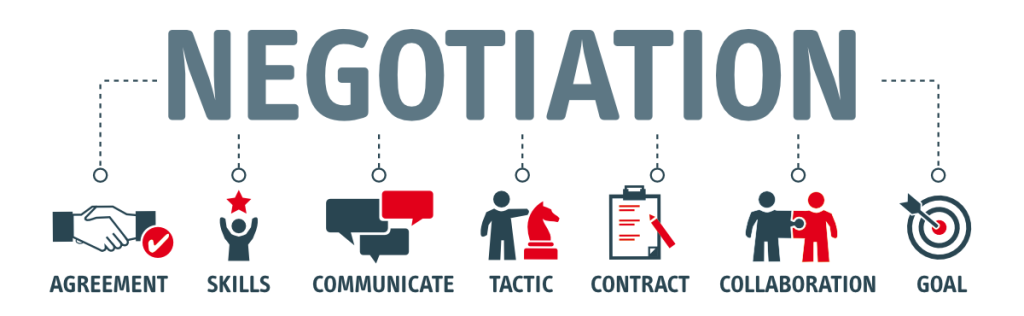
Strong negotiation skills help business owners win better deals with suppliers, customers, staff and lenders, directly improving margins and cash flow. The essentials are thorough preparation, understanding the other side’s interests, knowing your walk-away point, listening more than you talk, and focusing on creating value rather than just splitting it.
Most Australian business owners spend years working hard to grow revenue, yet unknowingly lose money through poor negotiation, weak contracts, and misaligned commercial decisions, highlighting the importance of developing strong negotiation skills.
At Pinnacle Accounting & Advisory, we see this repeatedly. The issue isn’t always tax, compliance, or bookkeeping , it’s what happens before the numbers hit the accounts.
Negotiation affects:
Pricing
Supplier costs
Payment terms
Staffing arrangements
Contracts and scope
Cash flow timing
Long-term profitability
If these conversations are handled poorly, the financial impact compounds year after year.
Negotiation Is a Financial Skill, Not Just a Communication Skill
Many people view negotiation skills as a “soft skill”. From an accounting and advisory perspective, negotiation is a financial skill.
Every negotiation decision eventually shows up in:
A poorly negotiated deal can: ❌ Lock you into low margins ❌ Increase operating costs ❌ Create ongoing disputes and variations ❌ Damage cash flow ❌ Reduce long-term business value
Understanding and improving your negotiation skills can significantly affect your business outcomes.
Strong negotiation, on the other hand, improves the quality of your numbers, not just the quantity.
What Negotiation Really Is (And What It Isn’t)
Many business owners confuse negotiation with:
Selling harder
Dropping price
Haggling
Being aggressive
“Winning”
True business negotiation is a structured process of:
Understanding interests
Resolving conflict
Trading value
Creating sustainable outcomes
This distinction matters, because price-focused negotiation usually destroys margin, while value-based negotiation protects profit.
🎥 Watch the Full Video for In-Depth Examples
In our full video, Mina Baselyous (Pinnacle Accounting & Advisory) sits down with professional negotiator Mark Riskala from Scotwork to unpack real business examples, including:
How businesses save six and seven figures through better negotiation
Why curiosity beats confrontation
The difference between haggling and negotiating
Why negotiation failures are often internal, not external
👉 Watch the full video for the complete breakdown and real-world case studies.
The Hidden Cost of Poor Negotiation (From an Accountant’s Perspective)
From our advisory work, poor negotiation often shows up as:
Contracts that don’t reflect the real cost of delivery
Underpriced services
Supplier agreements with no flexibility
Long payment cycles hurting cash flow
Unclear scope leading to disputes and write-offs
These aren’t accounting problems, they’re commercial decision problems.
Accounting simply reveals the damage after it’s done.
One of the strongest themes in the video is curiosity.
Curiosity allows business owners to:
Understand what’s driving the other party’s position
Identify non-price variables
Fix process issues instead of discounting
Improve outcomes without damaging relationships
From an advisory perspective, curiosity often uncovers:
Inefficiencies
Rework
Poor workflows
Cost leakage
Fixing these improves profit without increasing tax risk or workload.
How This Ties Directly Into What We Do at Pinnacle Accounting & Advisory
At Pinnacle Accounting & Advisory, our role goes far beyond compliance.
We help Australian business owners:
Understand the financial impact of decisions
Improve pricing and margins
Analyse supplier and client profitability
Strengthen cash flow
Make better commercial and strategic choices
Negotiation is often the missing link between:
Hard work and poor results
Revenue growth and profit stagnation
Business growth and owner burnout
Better negotiation leads to better financial data, which leads to better advice and better outcomes.
Negotiation, Data & Better Business Decisions
Good negotiation relies on good information.
We regularly see businesses negotiate blindly because they don’t know:
Their most profitable clients
Their true cost of delivery
Which suppliers matter most
Where margins are leaking
This is why accurate financial data, correct coding, and proper reporting are critical.
When business owners understand their numbers, they:
Negotiate from a position of strength
Stop reacting emotionally
Make decisions based on facts
This is where accounting, advisory, and negotiation intersect.
Negotiation Is a Skill That Compounds Over Time
Just like financial literacy, negotiation improves with:
Structure
Frameworks
Practice
Coaching
It’s not about personality. Introverts, extroverts, founders, and professionals can all become strong negotiators.
The earlier this skill is developed, the greater the long-term impact on:
Profitability
Cash flow
Business value
Lifestyle outcomes
Final Thoughts: Better Negotiation Creates Better Businesses
Every business owner negotiates, whether consciously or not.
Those who invest in:
Better negotiation
Better financial understanding
Better advisory support
Create businesses that are:
More profitable
More predictable
More valuable
Less stressful
🎥 Watch the full video to explore real negotiation examples and practical insights.
Work With Pinnacle Accounting & Advisory
At Pinnacle Accounting & Advisory, we help Australian business owners connect better decisions to better financial outcomes.
Why are negotiation skills important for Australian business owners?
Negotiation skills directly affect pricing, supplier costs, payment terms, contracts, and cash flow. Poor negotiation decisions compound over time and reduce profitability, while strong negotiation improves margins, cash flow stability, and long-term business value
How does poor negotiation impact cash flow?
Poor negotiation often leads to long payment terms, unclear contracts, underpriced services, and weak enforcement of agreements. These issues delay cash inflows, increase disputes, and place unnecessary pressure on business cash flow.
Is negotiation a financial skill or a communication skill?
From an accounting and advisory perspective, negotiation is a financial skill. Every negotiation decision eventually appears in the profit and loss statement, balance sheet, cash flow, and tax position of a business.
How do negotiation skills improve business profitability?
Strong negotiation focuses on value rather than price. By understanding interests, trading non-price variables, and improving commercial terms, businesses protect margins, reduce cost leakage, and improve long-term profitability without increasing workload or tax risk.
Ready to do Business with Us?
Join the Melbourne business owners who work with a CPA and Chartered Tax Advisor, so you can focus on growing your business while we take care of the numbers.
General Advice Disclaimer: The information in this article is general in nature and does not constitute personal financial, tax, or legal advice. Your individual circumstances will determine the most appropriate approach for you. Please consult a registered tax adviser or CPA before acting on anything in this article. Liability limited by a scheme approved under Professional Standards Legislation.
Frequently Asked Questions
Why are negotiation skills important for business owners?
Good negotiation directly affects your bottom line, from supplier prices and payment terms to customer pricing, wages and finance. Owners who negotiate well protect their margins and cash flow, while poor negotiation quietly erodes profit over time.
What are the key negotiation skills?
The essentials are preparation and research, understanding the other party’s interests, knowing your own goals and walk-away point, active listening, asking good questions, and looking for value-creating trade-offs rather than simply arguing over price.
How do I prepare for a negotiation?
Clarify what you want and why, research the other party and the market, work out your best alternative if no deal is reached, and plan the concessions you can trade. Preparation is the single biggest predictor of a good negotiation outcome.
How can I negotiate better prices with suppliers?
Build genuine relationships, understand the supplier’s position, ask for better terms rather than assuming the first offer is fixed, consider volume or longer commitments in exchange for discounts, and be willing to walk away. Often simply asking, well prepared, achieves a better deal.
This article contains general advice only and does not take into account your specific circumstances. Please speak with a qualified accountant or tax adviser before making financial decisions.
Ready to do Business with Us?
Join the Melbourne business owners who work with a CPA and Chartered Tax Advisor, so you can focus on growing your business while we take care of the numbers.
Mina Baselyous is a Chartered Tax Advisor (CTA), Certified Practising Accountant (CPA) and Registered Tax Agent based in Melbourne. He founded Pinnacle Accounting & Advisory to give small and medium business owners the proactive, strategic advice most accountants never offer. Read Mina’s full profile and credentials.
Many property investors miss thousands in tax refunds because they do not claim depreciation on their investment property. Without a tax depreciation schedule prepared by a quantity surveyor, the decline in value of the building and its fittings goes unclaimed, meaning larger taxable income and a smaller refund every single year.
An ATO tax depreciation schedule helps property investors legally maximise tax refunds and improve cash flow. Learn why many Australians miss out.
Table of Contents
🚨 Watch the Full Video Explanation
Many Australian property investors are unknowingly leaving thousands of dollars on the table every year. Not because they’re doing anything illegal, but because they don’t fully understand how an tax depreciation schedule works — and how powerful it can be when used correctly.
With rising interest rates, higher construction costs, and increasing scrutiny, understanding tax depreciation is no longer optional. It’s a core strategy for improving cash flow and maximising legitimate tax refunds.
In this article, we break down:
What an ATO tax depreciation schedule really is
Why the ATO allows it
How investors miss out on bigger refunds
And why working with the right professionals matters
What Is a Tax Depreciation Schedule (and Why the ATO Allows It)
Tax depreciation reflects the natural wear and tear of a property and its assets over time. The ATO allows property investors to claim this decline in value as a non-cash tax deduction.
This means: ✔ You don’t pay money out of pocket ✔ But you still reduce your taxable income ✔ Which can result in lower tax payable or a bigger tax refund
Depreciation generally falls into two categories:
Capital works (building structure)
Plant and equipment (fixtures and fittings)
To claim these deductions correctly, the ATO requires a tax depreciation schedule prepared by a qualified quantity surveyor.
Why So Many Property Investors Miss Out on Bigger Tax Refunds
One of the most common mistakes investors make is assuming their accountant automatically handles depreciation.
In reality:
Accountants apply depreciation
Quantity surveyors calculate it
Without a proper depreciation schedule: ✔ Deductions are often missed entirely ✔ Or only basic estimates are used → Leading to higher tax bills and reduced cash flow
Many investors also mistakenly believe depreciation only applies to new properties. That’s incorrect. Even older properties can still offer significant approved depreciation benefits.
This is similar to other common compliance mistakes property investors make — for example, be aware of the Top 5 Critical Division 7A Loan Traps To Avoid, which highlights other frequent issues taxpayers face.
The Cash Flow Advantage Most Investors Overlook
Tax depreciation is often misunderstood because it’s a non-cash deduction. This creates a powerful outcome:
Your investment property may show a tax loss, while still being cash-flow positive.
In many cases, depreciation can:
Turn a negatively geared property into a cash-flow neutral one
Significantly improve after-tax income
Help investors qualify for future lending or additional properties
In a high-cost environment, even a few thousand dollars per year can make a meaningful difference.
Before property investors start looking for savings, it’s worth understanding broader tax strategies and deductions — for example, our post onUnlock Tax Deductions for NDIS Support Workers: Maximise Your Refund explores deduction strategy in another professional context and reinforces the value of maximising legal deductions.
With increased data matching and audit activity, the ATO expects: ✔ Accurate reporting ✔ Proper documentation ✔ Professionally prepared depreciation schedules
Using a compliant quantity surveyor ensures:
Correct asset valuations
Site inspections and photographic evidence
Peace of mind if your return is ever reviewed
Cheap shortcuts often cost more in the long run — either through missed deductions or compliance risk.
Before property investors start looking for savings, it’s worth understanding broader tax strategies and deductions — for example, our post onUnlock Tax Deductions for NDIS Support Workers: Maximise Your Refund explores deduction strategy in another professional context and reinforces the value of maximising legal deductions.
How a Tax Depreciation Schedule Works in Practice
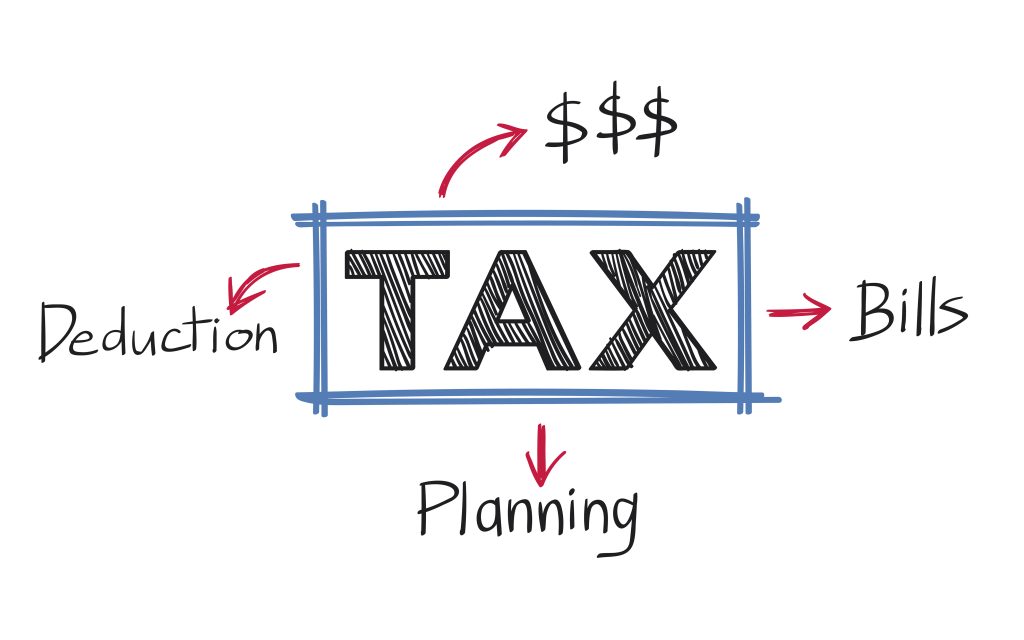
Tax and and bills illustration
A quality schedule will:
Identify every depreciable asset in a property
Separate capital works from plant and equipment
Apply ATO rates safely and correctly
Maximise allowable deductions each financial year
Without this: ✘ Investors use estimates ✘ Claim sub-optimal deductions ✘ Miss out on tax savings they’re legally entitled to
This is not just about getting a deduction — it’s about strategic tax planning that supports your broader financial goals.
Final Thoughts: Education Is the Real Advantage
The biggest takeaway isn’t just about tax depreciation — it’s about being proactive.
Property investors who: ✔ Ask the right questions ✔ Work with specialised professionals ✔ Understand how tax, depreciation, and cash flow interact
Are consistently in a stronger financial position than those who simply “lodge and forget.”
Stay informed with practical Australian tax strategies, ATO updates, property investing insights, and cash-flow optimisation tips from trusted professionals.
Ready to do Business with Us?
Join the Melbourne business owners who work with a CPA and Chartered Tax Advisor, so you can focus on growing your business while we take care of the numbers.
General Advice Disclaimer: The information in this article is general in nature and does not constitute personal financial, tax, or legal advice. Your individual circumstances will determine the most appropriate approach for you. Please consult a registered tax adviser or CPA before acting on anything in this article. Liability limited by a scheme approved under Professional Standards Legislation.
Frequently Asked Questions
Why do property investors miss out on depreciation?
Most miss out simply because they never obtain a tax depreciation schedule, so the decline in value of the building and fittings is never claimed. Others wrongly assume older properties do not qualify, when in fact the structure and renovations often still generate deductions.
What is a tax depreciation schedule?
A tax depreciation schedule is a report prepared by a qualified quantity surveyor that sets out the depreciation you can claim on an investment property’s building and fittings each year. Your accountant uses it to claim the deductions in your tax return.
Can I claim depreciation on an older property?
Often yes. While rules limit some claims on previously used items in second-hand residential property, the building structure and any qualifying renovations can still be depreciable. A quantity surveyor can assess what is claimable for your specific property.
How much can depreciation save me?
Depreciation can add thousands of dollars in deductions each year, directly reducing taxable rental income and increasing your refund. The cost of a depreciation schedule is itself deductible and is usually recovered many times over in the first year alone.
This article contains general advice only and does not take into account your specific circumstances. Please speak with a qualified accountant or tax adviser before making financial decisions.
Ready to do Business with Us?
Join the Melbourne business owners who work with a CPA and Chartered Tax Advisor, so you can focus on growing your business while we take care of the numbers.
Mina Baselyous is a Chartered Tax Advisor (CTA), Certified Practising Accountant (CPA) and Registered Tax Agent based in Melbourne. He founded Pinnacle Accounting & Advisory to give small and medium business owners the proactive, strategic advice most accountants never offer. Read Mina’s full profile and credentials.
Knowing your numbers is the ultimate business strategy: accurate, up-to-date accounts turn guesswork into informed decisions about pricing, spending, hiring and growth. Businesses that understand their financial data consistently outperform those that chase sales without knowing which products or clients actually make money.
A strong sales and accounting strategy is one of the most overlooked advantages in business. When revenue conversations and financial clarity work together, owners make better decisions, sell with confidence, and plan tax proactively.
“People don’t buy with logic. They buy with emotion, and justify with logic.”
This single insight from sales leader Lee Marshall cuts straight through one of the biggest misconceptions about sales… and it sets the stage for one of the most refreshingly honest conversations you’ll hear about the profession.
In this powerful interview, Lee joins Mina Basilius from Pinnacle Accounting & Advisory to unpack everything from why salespeople get a bad rap, to what accountants misunderstand about advisory, to how introverts can actually outperform extroverts in sales.
Many business owners treat their sales department and their finance team as two entirely different worlds. One is focused on the “hustle,” and the other is focused on the “history.” However, a powerful and refreshingly honest conversation between Mina and Lee, reveals that these two functions are actually two sides of the same coin.
If you have been searching for accounting firms near you or a tax agent near you simply to tick a compliance box, you are missing the most powerful tool in your arsenal: the synergy between your revenue generation and your financial clarity. At Pinnacle, we believe that understanding your numbers is the ultimate key to success and the foundation of effective tax planning.
Before we unpack the powerful insights from this interview, we highly recommend watching the full conversation firsthand. It sets the tone, gives context, and lets you experience the authentic energy between Mina and Lee, something no written summary can fully capture.
👉 Watch the full video here:
1. Sales and Accounting Strategy: Where Psychology Meets the Numbers
Lee’s principle isn’t just about customers — it’s about how you lead your business.
Moving beyond the stereotype
Many people grow up distrusting salespeople, viewing them as pushy or manipulative thanks to Hollywood stereotypes. Lee argues this often comes down to poor training: people are told to “hit targets” without understanding human behaviour.
The power of questions
Great sales — and great accounting advisory — start with asking the right questions rather than pushing an agenda. When a prospect feels understood, they relax. When they feel pressured, they resist.
This is exactly why an effective sales and accounting strategy matters: it replaces random action with clarity and intention.
If you’re a business owner building your foundations, this article pairs well with: <a href=”https://pinnacleaccountingadvisory.com.au/building-a-strong-foundation-for-your-business-9-key-components-for-setting-up-a-company/” target=”_blank” rel=”noopener”>Building A Strong Foundation For Your Business: 9 Key Components For Setting Up A Company</a>. Pinnacle Accounting & Advisory
The professional advisor
Just as Lee shifted from cold calling to an empathy-led philosophy, Pinnacle has evolved beyond “just compliance.” We help business owners use their numbers to solve real frustrations — like cash flow stress, uncertainty, and growth decisions.
2. The IKEA Principle: Building a Solution Together
One of the most impactful concepts Lee discusses is the “IKEA Curve.” People value outcomes more when they help build them.
As business advisors, we don’t just hand you a report and say “good luck.” We guide you through:
What problem you’re facing and why it exists
What you’ve already tried (and what it costs you to stay the same)
What success looks like if the problem disappears
That’s how a sales and accounting strategy becomes self-owned — not just “advice you were told.”
3. Bridging Sales, Marketing, and Accounting
In many companies, marketing blames sales for weak conversions, and sales blames marketing for weak leads. Lee argues marketing’s job is to communicate problems, while sales’ job is to solve them.
At Pinnacle, we add a third layer:
Accounting’s job is to quantify them.
When sales and finance work together, you can see:
which sales activities drive the most profit
what your “best customers” really cost to serve
what revenue is actually sustainable
This is where sales and accounting strategy stops being theory and becomes a measurable growth system.
4. Beyond Compliance: Why You Need a Business Advisor
If you’ve been searching for “accounting firms near me” or “tax agent near me” just to tick a compliance box, you’re missing the most powerful tool in your arsenal: the synergy between revenue generation and financial clarity.
A strong sales and accounting strategy supports:
Effective tax planning
True wealth isn’t just what you earn — it’s what you keep. Tax planning isn’t a once-a-year event. It’s a strategy that supports better decisions all year round.
Ultimately, great sales and great accounting are both about leadership.
Clients don’t just want compliance. They want:
clarity
advice
a partner who understands their goals
someone who can help them build wealth, reduce risk, and move toward their ideal life
And this is why the best results come from combining psychology + numbers into one sales and accounting strategy that supports real decisions.
6. Ready to Master Your Numbers?
Don’t wait until a deadline to think about business strategy. Build clarity now — so you can sell more effectively, plan tax proactively, and make decisions with confidence. ✅ Speak to Pinnacle Accounting & Advisory about strategy-led accounting and tax planning
Ready to do Business with Us?
Join the Melbourne business owners who work with a CPA and Chartered Tax Advisor, so you can focus on growing your business while we take care of the numbers.
General Advice Disclaimer: The information in this article is general in nature and does not constitute personal financial, tax, or legal advice. Your individual circumstances will determine the most appropriate approach for you. Please consult a registered tax adviser or CPA before acting on anything in this article. Liability limited by a scheme approved under Professional Standards Legislation.
Frequently Asked Questions
Why is knowing your numbers important in business?
Because decisions based on accurate numbers beat decisions based on gut feel. Knowing your margins, cash flow and profitability tells you which products, clients and activities actually make money, so you can do more of what works and stop what does not.
What financial information should I track?
Track revenue, gross and net profit, margins by product or service, cash flow, and your breakeven point. Reliable, up-to-date bookkeeping is the foundation, because without accurate records there are no meaningful reports to base decisions on.
Is high revenue the same as a healthy business?
No. Revenue is vanity; profit and cash flow are reality. A business can grow sales while losing money on poor margins or slow-paying customers. Knowing your numbers reveals whether growth is actually making you better off.
How do accurate accounts help me grow?
Accurate accounts let you see what is working, price correctly, control costs, forecast cash, and make confident decisions about hiring and investment. They also make it far easier to secure finance and eventually sell the business at a strong price.
This article contains general advice only and does not take into account your specific circumstances. Please speak with a qualified accountant or tax adviser before making financial decisions.
Ready to do Business with Us?
Join the Melbourne business owners who work with a CPA and Chartered Tax Advisor, so you can focus on growing your business while we take care of the numbers.
Mina Baselyous is a Chartered Tax Advisor (CTA), Certified Practising Accountant (CPA) and Registered Tax Agent based in Melbourne. He founded Pinnacle Accounting & Advisory to give small and medium business owners the proactive, strategic advice most accountants never offer. Read Mina’s full profile and credentials.
Are you a company director or business owner looking to withdraw funds from your company? You might be considering loans, dividends, or even using your company to minimise tax — but watch out! Failing to comply with Division 7A loan rules under the Income Tax Assessment Act could result in hefty penalties, unfranked dividends, and a tax bill that’s much higher than expected.
This guide breaks down the most common Division 7A traps you should avoid to stay compliant and protect your finances.
In this guide, we’ll walk you through the top 7 critical Division 7A loan traps that every business owner must avoid. Whether you’re a director borrowing from your company or a trustee managing investment company funds, Division 7A affects how you structure loans, withdrawals, and distributions. If you’re unsure about the rules, the consequences can be costly.
Why You Should Care About Division 7A Compliance
Division 7A is designed to prevent tax avoidance by restricting how funds are withdrawn from a private company. When business owners take loans from their companies, they must comply with the rules surrounding these withdrawals. Non-compliance can result in unfranked dividends — meaning you won’t receive the benefit of any franking credits — and could face a significantly higher personal tax bill.
To help ensure your business remains compliant and avoids costly mistakes, it’s essential to engage in proper tax planning. Our tax planning services for Melbourne businesses outline key strategies to effectively manage your tax obligations and ensure you’re operating within the law.
Get your structure right
Most Division 7A traps are structural, and preventable
Director loans, unpaid entitlements and poorly documented arrangements all trace back to structure. We review and fix these for Melbourne business owners before they become a deemed dividend.
Distributable surplus refers to the amount of a company’s profit that can be distributed to shareholders or loaned to directors without triggering tax implications. Division 7A rules only allow loans if the company has sufficient distributable surplus to cover the loan amount.
If your company has not accumulated enough distributable surplus, any loan you take may be treated as a deemed dividend, with the corresponding tax consequences. For instance, if your company has $100,000 in profits and a retained surplus of $30,000, the maximum loan under Division 7A is $30,000. Any amount beyond that could lead to a deemed unfranked dividend.
Trap #2: Failing to Create a Written Loan Agreement On Time
The Importance of Written Loan Agreements
Under Division 7A, any loan taken from a private company must be supported by a complying loan agreement that outlines key terms such as the interest rate and repayment schedule. This loan agreement must be signed by the due date for lodgement of the company’s income tax return for the income year in which the loan was made. If you don’t have a loan agreement in place by that deadline, the ATO will treat the loan as an unfranked dividend.
The ATO sets a benchmark interest rate annually for Division 7A loans. For the current rate applicable to your loans, always check ato.gov.au. For a full breakdown of historical rates and how the benchmark is determined, see: Division 7A Interest Rate 2025–26 — What Business Owners Need to Know. Interest must be charged at at least this rate for the loan to remain complying.
Risks of Non-Compliance
Without a written loan agreement executed before the lodgement deadline, you risk having the loan treated as a deemed dividend — losing any franking credits and facing a much higher personal tax bill. There is no way to retrospectively fix a missed loan agreement deadline.
Trap #3: Missing or Underpaying Minimum Annual Repayments
What Are Minimum Annual Repayments?
Division 7A loans are subject to minimum annual repayments that must be paid every year. The repayment terms must comply with the loan term — either a maximum of 7 years for unsecured loans, or 25 years if secured by a registered mortgage over real property. For a detailed walkthrough of how minimum repayments are calculated, including a worked example, see: Division 7A Loan Repayments: How They Work and What Happens If You Miss Them.
Consequences of Underpayment or Missing Repayments
If you miss a minimum annual repayment or underpay, the shortfall is treated as an unfranked dividend included in your assessable income for that year and taxed at your marginal rate. This happens more often than you’d think when repayments are not actively monitored throughout the year — especially when business cash flow is tight.
Trap #4: Mishandling Trust Distributions to Bucket Companies
What the Bendel decision changed
A bucket company is often used within a family trust structure for asset protection and wealth accumulation. When a family trust distributes income to a bucket company but doesn’t actually pay the cash across, an unpaid present entitlement (UPE) arises.
For years the ATO treated an unpaid entitlement as the company providing “financial accommodation” to the trust, and therefore a loan under section 109D. That is no longer the law. In Commissioner of Taxation v Bendel[2026] HCA 18, decided 10 June 2026, the High Court dismissed the Commissioner’s appeal and held that a company which simply does nothing about its entitlement provides no financial accommodation under section 109D(3)(b). A bare UPE is not a loan and does not by itself create a deemed dividend. The ATO accepted that outcome in its Bendel Decision Impact Statement, published 26 June 2026, and has said there that it will withdraw Taxation Determination TD 2022/11. As at September 2026, though, TD 2022/11 is still listed on the ATO Legal Database and marked as under review as a result of the decision, with no withdrawal notice issued, so check its current status before relying on it. We set out what the decision changed, what it did not, and what to do with an entitlement already on complying loan terms, in our guide to what Bendel means for bucket company UPEs.
The trap has therefore moved rather than disappeared. It now lies in what the trust does with the money afterwards, and in forgetting that entitlements already converted into loans are still loans.
How to Avoid This Trap
In a trust and bucket company structure, as at September 2026:
Watch Subdivision EA. While the UPE is outstanding, a payment or loan from the trust to a shareholder of the bucket company or their associate, or a forgiveness of their debt, can still produce a deemed dividend
Keep servicing any entitlement that has already been placed on complying section 109N loan terms. Bendel does not unwind an existing loan, and a missed minimum repayment is still a deemed dividend
Make sure the distribution is a genuine one. Section 100A continues to apply to reimbursement agreements and taxes the trustee at the top marginal rate, with no time limit
Keep clear records of trustee resolutions, the trust deed terms, and how each entitlement has been dealt with, because the character of the amount now turns on exactly those facts
Consult a tax adviser to ensure proper handling of all distributions and withdrawals from the structure
Trap #5: Assuming Division 7A Doesn’t Apply to Investment Companies
Many business owners mistakenly believe that investment companies — which don’t engage in active trading — are exempt from Division 7A. However, Division 7A applies to all private companies, including investment entities, wherever a loan is made to a shareholder or their associate.
For example, if an investment company loans $50,000 to a director, and that loan is not properly documented with a complying agreement, it will be treated as a deemed unfranked dividend, subject to personal tax at the director’s marginal rate.
Trap #6: Making Interest Payments After the 30 June Deadline
Even if you have a complying Division 7A loan agreement in place, the interest on that loan must actually be paid by 30 June each year — not just accrued in the accounts or dealt with at tax time. This trap catches many business owners off guard.
Under Division 7A, the annual minimum repayment must include the interest component, and that interest must be physically paid (not merely journalled) by 30 June. If interest is not paid by 30 June, the ATO treats the shortfall as an unfranked dividend for that income year — even if the loan agreement is otherwise fully compliant.
How to avoid it: Set a reminder well before 30 June each year to calculate and pay your Division 7A minimum annual repayment, including the interest component. This cannot be corrected after year-end — it must be done before 30 June.
Trap #7: Loans to Associates of Shareholders — Often Overlooked
Division 7A doesn’t just apply to direct loans made to shareholders. It also captures loans made to associates of shareholders — which includes spouses, children, related trusts, and related companies. This is one of the most commonly overlooked aspects of Division 7A compliance.
For example, if a private company lends money to a shareholder’s spouse to fund a property purchase, or makes a loan to a family trust controlled by a shareholder, Division 7A applies in exactly the same way as it would to a direct shareholder loan. The same obligations arise: a complying loan agreement must be in place, interest must be charged at or above the ATO benchmark rate, and minimum annual repayments must be made each year.
How to avoid it: Before any funds leave a private company — whether to a shareholder directly or to a related party — confirm with your tax adviser whether Division 7A applies. Don’t assume it only captures direct shareholder loans.
What Happens If You Get Division 7A Wrong?
The consequences of a Division 7A breach are significant and often come as a shock at tax time. When Division 7A is triggered, the loan amount (or the shortfall — such as an underpaid repayment or missed interest payment) is treated as an unfranked dividend in the hands of the shareholder or associate.
This means:
The deemed dividend is included in the recipient’s assessable income for that income year
It is taxed at the shareholder’s marginal tax rate — which can be up to 47% including the Medicare levy
Because it is unfranked, there is no franking credit to offset the tax liability
The same profit is effectively taxed twice: once inside the company at the corporate rate, and again personally as a deemed unfranked dividend
ATO interest and penalties may apply if the arrangement is reviewed or audited
This is exactly why Division 7A compliance must be managed proactively — not reactively. A single missed loan agreement or late repayment can result in a personal tax bill of tens of thousands of dollars. For the five strategies that prevent this outcome, see: How to Avoid a Division 7A Deemed Dividend — 5 Strategies That Work.
Complying Division 7A Loan Agreement — Checklist
For a Division 7A loan to be treated as a genuine loan (rather than a deemed dividend), the loan agreement must meet all of the following requirements:
In writing — the agreement must be documented and signed by both parties
Signed before the lodgement deadline — the agreement must be executed before the company’s income tax return is lodged for the year the loan was made (or by the due date for lodgement, whichever is earlier)
Specifies the loan term — maximum 7 years for unsecured loans; maximum 25 years if secured by a registered mortgage over real property
Specifies the interest rate — interest must be charged at or above the ATO benchmark rate for each income year of the loan (check ato.gov.au for the current rate)
Minimum annual repayments required — the agreement must specify that minimum annual repayments (calculated under the Division 7A formula) must be paid by 30 June each year
If any of these elements are absent, the loan will not qualify as a complying Division 7A loan — and the full amount could be deemed an unfranked dividend in the year the loan was made.
Make sure every Division 7A loan your business makes is backed by the correct structure and documentation. The cost of getting it wrong far exceeds the cost of getting it right.
Frequently asked questions
What is Division 7A and who does it apply to?
Division 7A is a set of tax rules within the Income Tax Assessment Act 1936 that prevents private companies from distributing profits to shareholders or associates in a tax-free way by disguising them as loans, payments, or debt forgiveness. It applies to all private companies, including trading companies, investment companies, and holding companies, whenever a loan is made to a shareholder or their associate. Speak with a Pinnacle Accounting & Advisory adviser for personalised guidance.
What is the Division 7A benchmark interest rate for 2025-26?
The ATO sets the Division 7A benchmark interest rate annually. For the 2025-26 income year, being the year ended 30 June 2026, the rate was 8.37% per annum. For the current 2026-27 income year the rate is 8.77% per annum. The rate that applies to a loan is the rate for the income year the loan was made, and it is fixed for the life of that loan, so always check ato.gov.au for the year that applies to you. Interest must be charged at or above that rate on all complying Division 7A loans, and must be physically paid by 30 June each year. Speak with a Pinnacle Accounting & Advisory adviser for personalised guidance.
Can a family trust be caught by Division 7A?
Yes, but the position changed in 2026. Following Commissioner of Taxation v Bendel [2026] HCA 18, decided 10 June 2026, an unpaid present entitlement owed by a trust to a bucket company is not a loan under section 109D where the company simply leaves it outstanding, so it does not by itself create a deemed dividend. The ATO accepted this in its Decision Impact Statement of 26 June 2026. A trust can still be caught in three ways: Subdivision EA, where the trust pays, lends to, or forgives a debt of a shareholder of the company or their associate while the entitlement is outstanding; section 100A, where the entitlement arises from a reimbursement agreement; and an entitlement already converted into a complying loan, which remains a loan and must keep being serviced. Speak with a Pinnacle Accounting & Advisory adviser for personalised guidance.
Has TD 2022/11 been withdrawn?
Not as at September 2026. The ATO has said in its Decision Impact Statement that it will withdraw TD 2022/11, but the determination is still listed on the ATO Legal Database and marked as under review as a result of the decision, with no withdrawal notice issued. Treat it as on foot but overtaken in practice by the ATO view in the Decision Impact Statement, and check its current status before relying on it. Speak with a Pinnacle Accounting & Advisory adviser for personalised guidance.
What is the deadline for putting a Division 7A loan agreement in place?
The loan agreement must be in place by the earlier of: the due date for lodging the company’s income tax return for the year the loan was made, or the actual lodgement date. If this deadline is missed, the loan is treated as a deemed unfranked dividend, and there is no retrospective fix. Any company loans must be identified and documented well before the return is lodged. Speak with a Pinnacle Accounting & Advisory adviser for personalised guidance.
What happens if Division 7A is triggered accidentally?
If Division 7A is triggered, the loan amount or shortfall is treated as an unfranked dividend and included in the shareholder’s assessable income for that year. It is taxed at the shareholder’s marginal rate, up to 47% including the Medicare levy, with no franking credit to offset the liability. Contact a registered tax adviser as soon as possible to understand your options. Speak with a Pinnacle Accounting & Advisory adviser for personalised guidance.
Ready to Protect Your Business from Division 7A Issues?
Mina Baselyous — CPA and Chartered Tax Adviser — works with Melbourne business owners to review Division 7A arrangements, put complying loan agreements in place, and prevent costly ATO issues before they arise.
If you’re unsure whether your company or trust structure complies with Division 7A, book a consultation today. Don’t wait until tax time — getting the right structure in place now could save you from a significant and avoidable tax liability.
General Advice Disclaimer: The information in this article is general in nature and does not constitute personal financial, tax, or legal advice. Your individual circumstances will determine the most appropriate approach for you. Please consult a registered tax adviser or CPA before acting on anything in this article. Liability limited by a scheme approved under Professional Standards Legislation.
This article contains general advice only and does not take into account your specific circumstances. Please speak with a qualified accountant or tax adviser before making financial decisions.
Ready to do Business with Us?
Join the Melbourne business owners who work with a CPA and Chartered Tax Advisor, so you can focus on growing your business while we take care of the numbers.
Mina Baselyous is a Chartered Tax Advisor (CTA), Certified Practising Accountant (CPA) and Registered Tax Agent based in Melbourne. He founded Pinnacle Accounting & Advisory to give small and medium business owners the proactive, strategic advice most accountants never offer. Read Mina’s full profile and credentials.
Business tax planning means arranging your affairs before year end to legally minimise tax, through the right structure, timing of income and expenses, super contributions and available concessions. Done proactively through the year rather than at tax time, it is one of the highest-return activities a business owner can undertake.
Most business owners pay more tax than they need to — not because of anything illegal, but because no one planned ahead. Business tax planning is the process of legally structuring your decisions throughout the year to keep more of what you earn and reduce what you hand to the ATO.
In this guide, we cover the essential strategies every Australian business owner should be implementing now — from maximising deductions and timing capital gains to structuring your business for long-term tax efficiency. Whether you run a sole trader, company, or family trust, there are opportunities here worth tens of thousands of dollars each year.
What Is Business Tax Planning?
Business tax planning is the proactive process of legally structuring your income, expenses, and business activities to minimise your tax liability. Unlike tax compliance — which records what has already happened — tax planning is about making better decisions before they happen.
Done well, it can save a business owner tens of thousands of dollars each year. Done poorly — or not at all — the ATO takes a significantly larger share of your profits than it needs to. Effective planning covers:
Choosing the right business structure (company, family trust, sole trader, or a combination)
Timing when income is earned and when expenses are paid
Maximising legitimate deductions before 30 June
Managing capital gains events strategically
Optimising superannuation contributions
Distributing income efficiently across your group
Without proactive planning, business decisions get made without considering their tax consequences. By the time June arrives, those opportunities have passed — and you’re left paying more than you needed to. Use our business tax calculators to model different planning scenarios.
What’s Changed for Business Tax Planning in 2026?
Several important changes affect how Australian business owners should approach tax planning in 2026. Understanding these now — rather than at EOFY — is where the real savings happen.
Payday Super Starts 1 July 2026
From 1 July 2026, employers must pay superannuation at the same time as wages — ending the quarterly super payment cycle. This is the most significant payroll change in years. For businesses managing cash flow month to month, this requires immediate planning. Late or missed payday super payments will attract ATO penalties, and the ATO has indicated it will enforce compliance actively from day one. If your payroll system isn’t ready, act now.
Super Guarantee Rate Is Now 12%
The super guarantee rate increased to 12% from 1 July 2025. For a business with $500,000 in wages, that’s $60,000 in annual super obligations. Review your wage costs, update payroll budgets, and factor this into any pricing or salary reviews for 2026–27.
$20,000 Instant Asset Write-Off Is Now Permanent
The $20,000 instant asset write-off has been legislated as permanent for businesses with turnover under $10 million. After years of the threshold changing annually, you can now plan asset purchases with certainty. Equipment, tools, vehicles, or any eligible asset under $20,000 can be claimed in full in the year of purchase.
The Bendel Decision on Unpaid Trust Entitlements
On 10 June 2026 the High Court decided Commissioner of Taxation v Bendel[2026] HCA 18, dismissing the Commissioner’s appeal. The Court held that a private company which simply does nothing about an unpaid present entitlement owed to it by a trust does not provide financial accommodation under section 109D(3)(b), so the entitlement is not a Division 7A loan. The ATO accepted that outcome in its Bendel Decision Impact Statement, published 26 June 2026, and has said it will withdraw Taxation Determination TD 2022/11. If you operate a family trust with a bucket company, this changes what your year-end review should be looking for.
ATO Compliance Focus Areas for 2026
The ATO has signalled increased scrutiny across several areas this year. If any of these apply to your business, ensure your records are in order:
Work from home deductions — the 67 cents per hour method remains available but requires contemporaneous records. The ATO is actively reviewing lump-sum claims.
Rental property expenses — particular focus on interest deductions, repairs versus capital improvements, and holiday home claims
Personal service income (PSI) — contractors who earn primarily from their personal skills may have income attributed back to them personally, regardless of entity structure — read our personal services income guide to understand when the rules apply
Division 7A compliance — undocumented or under-managed loans from companies to shareholders remain a high-priority audit area
Maximising Tax Deductions with Instant Asset Write-Off and Pre-Paying Expenses
One of the most effective strategies in business tax planning is taking full advantage of the Instant Asset Write-Off. This incentive allows eligible businesses to claim immediate deductions for assets purchased and used in the business, up to $20,000 per asset. Whether it’s equipment, machinery, or vehicles under the threshold, the instant write-off can significantly reduce your taxable income in the current financial year.
Motor Vehicle Costs and the Instant Asset Write-Off
Motor vehicle expenses are often one of the largest costs for business owners. Under the Instant Asset Write-Off, eligible vehicle costs are immediately deductible — but cost limits for motor vehicles apply, and only the business-use portion is claimable. Keeping a detailed motor vehicle logbook is essential if you’re claiming based on business use percentage.
Another key business tax planning strategy is pre-paying certain business expenses before 30 June. Pre-paying items like insurance premiums, software subscriptions, and rent can bring forward deductions into the current financial year and reduce your taxable income now. Eligible expenses must relate to a period not exceeding 12 months beyond the payment date.
By combining the instant asset write-off with strategic pre-payments, you can make substantial progress in reducing your tax liability while keeping your business well-equipped for the year ahead.
Capital Gains Tax (CGT): Timing and Small Business CGT Concessions
Timing is critical in business tax planning — particularly when it comes to Capital Gains Tax (CGT). Selling business assets such as property, shares, or goodwill has significant tax implications. By strategically timing asset sales and using available CGT concessions, small business owners can substantially reduce their overall tax liability.
Timing Capital Gains to Minimise Tax Liability
The timing of when you realise a capital gain matters. If you expect lower income in the next financial year, deferring the sale of an asset until after 30 June may lower your current tax liability by pushing the CGT obligation into a year when your total income — and therefore your marginal rate — is less.
Small Business CGT Concessions
Australia provides several CGT concessions specifically for small businesses to help reduce the tax on asset sales:
The 15-year exemption: If you’ve owned a business asset for more than 15 years and are aged 55 or older, you may be eligible to sell the asset without paying CGT.
The retirement exemption: You can reduce your capital gains by up to $500,000 if you’re retiring and meet specific conditions. This limit applies per individual, making it particularly valuable for business partners or co-owners.
The rollover concession: If you sell an asset and reinvest the proceeds in a replacement asset, you may be able to defer your CGT liability until you sell the replacement asset.
The Active Asset Reduction: If the asset qualifies as an active asset used in your business, you may qualify for a 50% reduction on the capital gain, with a maximum reduction of $500,000 per individual.
By carefully timing asset sales and strategically applying these CGT concessions, you can significantly reduce the tax payable on business asset sales — freeing up more capital for reinvestment. For a detailed breakdown of how the 50% discount applies, see our guide to the CGT discount and 50% rule for Australian business owners.
Not sure which CGT concessions apply to your situation?
At Pinnacle, we help Melbourne business owners structure asset sales to minimise CGT legally. Book a consultation with Mina before you transact — timing and structure decisions made before the sale are worth far more than advice after it.
Optimising Business Structures: Tax Savings and Asset Protection
One of the most important decisions in business tax planning is choosing the right structure. The structure you use affects how much tax you pay, your personal liability, and your ability to grow and protect wealth over time.
Choosing the Right Business Structure
The most common business structures in Australia each carry different tax implications:
Sole Trader: Simple to set up, but profits are taxed at individual marginal rates — which can be high if the business is profitable. No asset protection.
Partnership: Income is split between partners and taxed at individual rates. All partners carry personal liability for business debts.
Company: A separate legal entity taxed at the 25% small business corporate rate (for businesses under $50M turnover). Provides personal liability protection and flexibility for reinvestment and franked dividends.
Trust: Allows income to be distributed to beneficiaries in lower tax brackets, providing significant tax savings across the family group. Setup and administration are more complex, but the long-term benefits frequently justify it for businesses above a certain profit level.
Private Company Loans (“Div 7A”)
Business owners who have borrowed funds from their company must understand Division 7A rules. These rules govern loans from private companies to shareholders or their associates — including directors. Poorly managed Div 7A loans can create unexpected and significant personal tax liabilities.
Loans to Directors: A loan made directly to a director must either be repaid by 30 June or have a complying loan agreement in place before the company’s tax return is lodged. The agreement must meet ATO guidelines, including a minimum benchmark interest rate and a set repayment schedule. If these conditions are not met, the loan is treated as an unfranked dividend — taxable to the director personally at their marginal rate.
Unpaid Entitlements Owed by a Family Trust to a Corporate Beneficiary: Where a family trust has distributed income to a bucket company but has not paid the cash across, an unpaid present entitlement arises. Following Commissioner of Taxation v Bendel [2026] HCA 18, decided 10 June 2026, that entitlement is not itself a Division 7A loan for as long as the company simply leaves it outstanding. Two exposures remain. Subdivision EA can deem a dividend where the trust pays money to, lends to, or forgives a debt of a shareholder of the bucket company or their associate while the entitlement is unpaid. And any entitlement that was already converted into a complying loan remains a loan, with minimum yearly repayments still due.
Trustee Resolutions for Family Trusts
If your business operates through a Discretionary (Family) Trust, trustee resolutions must be prepared and signed before 30 June each year. These resolutions formally allocate trust income to specific beneficiaries for the financial year. Failing to have them in place by the deadline results in the trust’s taxable income being assessed at the highest marginal rate — up to 47%. Given recent ATO rulings on trust distributions to adult children, it’s essential to work with your accountant well before year-end. For more detail, see our guide: Trust Distribution Minutes 2026: What Trustees Must Do Before 30 June.
Maximising Superannuation Contributions, Depreciation, and Franking Credits
Smart business tax planning involves more than managing income and expenses — it also includes forward-thinking strategies like boosting superannuation contributions, claiming depreciation, and using franking credits effectively. These tactics reduce taxable income and improve long-term financial outcomes for both the business and its owners.
Maximising Superannuation Contributions
Contributing to superannuation is one of the most tax-effective tools available to business owners. For the 2025–26 financial year, the concessional contributions cap is $30,000. Concessional contributions — including employer contributions and salary sacrifice amounts — are taxed at 15% within the fund, which is lower than most individual marginal tax rates.
For business owners with a strong profit year, the carry-forward rule provides an additional opportunity. If your total superannuation balance was under $500,000 on 30 June of the prior year, and you haven’t used the full concessional cap in any of the last five financial years (from 2018–19), you can carry forward unused cap amounts and make larger deductible contributions in a high-earning year. All contributions must be received by your super fund before 30 June to count for that financial year. For a full breakdown of super contribution strategies for business owners — including catch-up contributions and personal deductible contributions — see our guide to superannuation strategies for business owners.
Claiming Property Depreciation
If your business owns or operates from a commercial or income-producing property, you may be entitled to claim depreciation deductions. These typically fall into two categories:
Capital works deductions — for the building structure, renovations, and structural improvements
Plant and equipment depreciation — for items like carpets, air conditioning units, and furniture
To claim the maximum allowable deductions, investing in a tax depreciation schedule from a qualified quantity surveyor is often worthwhile — the additional deductions claimed frequently exceed the cost of the report.
Utilising Franking Credits
If your business operates through a company structure, issuing dividends with franking credits is a strategic way to distribute profits to shareholders while reducing overall tax liability. Franking credits represent tax already paid at the company level and can be used by shareholders to offset their personal tax when lodging individual returns.
When planning dividend payments, consider:
The available franking credits in the company’s franking account
The timing of dividend declarations to ensure credits are applied efficiently
The broader group structure — particularly where a bucket company or corporate beneficiary is involved
A bucket company can serve dual purposes: it caps the tax rate on trust distributions at the corporate rate (25–30%) and provides asset protection by separating retained profits from the trading entity. However, all franking credit arrangements must comply with tax law — the ATO scrutinises arrangements where credits are moved without a genuine commercial purpose.
Also be aware of Franking Deficit Tax (FDT): if your company declares more franking credits than it holds in its franking account — often due to poor timing of prior tax payments — it will be liable for the shortfall. Track your franking account balance carefully before declaring dividends. If you want peace of mind that your business is ATO-compliant, see our guide on ATO Audit Support for Businesses.
Conclusion: Prepare Early, Plan Smart
Effective business tax planning isn’t just about reducing your tax bill — it’s about making smart, forward-thinking decisions that support your business’s growth and financial security. From the instant asset write-off and pre-paying expenses to managing Division 7A loans, maximising super contributions, and choosing the right structure, every decision made now has a meaningful impact on your bottom line.
At Pinnacle Accounting & Advisory, we specialise in working with Melbourne business owners to develop tailored tax planning strategies that go well beyond the basics. We help you review your current structure, identify savings opportunities, and ensure full ATO compliance — before problems arise, not after.
📞 Ready to stop overpaying?Contact us today to book your business tax planning review.
Frequently Asked Questions
What is business tax planning?
Business tax planning is the process of legally structuring your business activities, income, and expenses to minimise your tax liability. It involves proactive decisions — about your business structure, deductions, superannuation, and asset sales — made before they happen, not after. The goal is to ensure the ATO takes only what it’s entitled to, and no more.
When should I start business tax planning?
Ideally, tax planning is a year-round activity — not something you think about in May or June. The best time to start is at the beginning of the financial year (July), so you have the full 12 months to implement strategies. That said, even mid-year planning can deliver significant savings. If you haven’t started yet, the best time is now.
How can I legally reduce my business tax in Australia?
There are many legitimate strategies available: maximising deductible expenses and pre-paying eligible costs before 30 June, claiming the instant asset write-off for purchases under $20,000, increasing superannuation contributions, using the right business structure to access lower tax rates, and strategically timing capital gains events. The right mix depends on your specific situation — a qualified tax advisor will identify the highest-value opportunities for your business.
What is the company tax rate in Australia for 2026?
For the 2025–26 financial year, the base rate entity corporate tax rate is 25% for companies with an aggregated turnover under $50 million (provided they derive 80% or less of their assessable income from passive sources). Companies above this threshold — or those that don’t meet the passive income test — pay the standard 30% corporate tax rate.
What is the instant asset write-off limit for 2026?
The instant asset write-off threshold is $20,000 per asset for businesses with aggregated turnover under $10 million. This has now been made permanent. The asset must be purchased, installed, and ready for use before 30 June to be claimed in that financial year.
How much should I set aside for business tax in Australia?
A general rule of thumb for businesses operating through a company is to set aside 25–30% of net profit for tax. For sole traders or partnerships, the amount depends on your personal income tax bracket — marginal rates can reach 47% (including the Medicare levy). A tax planning review with your accountant will give you a far more accurate figure based on your actual structure and profit level. For a quick starting estimate, try our business tax calculator.
Can I pay less tax by restructuring my business?
Yes — business structure is one of the biggest levers in tax planning. Sole traders pay tax at personal marginal rates (up to 47%), while companies are taxed at 25–30%. Family trusts can distribute income to beneficiaries in lower tax brackets, reducing the overall tax paid across the family group. The right structure also provides asset protection — which has significant long-term value beyond the tax savings alone. If you’re considering moving from a sole trader to a company, our guide to converting from sole trader to company covers the triggers, CGT implications, and key steps. The small business restructure rollover can allow eligible businesses to change structure without triggering CGT at the time of transfer. Restructuring also has stamp duty implications — always seek professional advice before making changes.
Do I need an accountant for business tax planning?
Technically no — but for any business with meaningful revenue, the savings from good tax advice far exceed the cost of the advice. A Chartered Tax Advisor (CTA) or CPA with business advisory experience will identify opportunities you wouldn’t find yourself, keep you compliant with ATO rules, and help you make decisions with their tax consequences already understood. Pinnacle Accounting & Advisory offers a proactive, year-round approach to business tax planning for Melbourne small business owners.
General Advice Disclaimer: The information in this article is general in nature and does not constitute personal financial, tax, or legal advice. Your individual circumstances will determine the most appropriate approach for you. Please consult a registered tax adviser or CPA before acting on anything in this article. Liability limited by a scheme approved under Professional Standards Legislation.
Frequently Asked Questions
What is business tax planning?
Business tax planning is proactively arranging your affairs to legally minimise tax, using the right structure, timing income and deductible expenses, making super contributions, and applying concessions. It is done before year end, unlike a tax return, which simply reports what already happened.
When should I do tax planning?
Before 30 June, and ideally throughout the year. Most strategies, such as timing income and expenses, super contributions, asset purchases and reviewing distributions, must be actioned before year end. By the time you lodge, the opportunities for that year have passed.
What are common tax planning strategies for business?
Common strategies include choosing the right structure, timing income and deductible expenses, making concessional super contributions, using the instant asset write-off, prepaying expenses, and distributing trust income effectively. The right mix depends on your circumstances.
Is tax planning legal?
Yes. Tax planning arranges your affairs within the law to pay the correct amount of tax and no more, which is legitimate. It is entirely different from tax evasion, which involves hiding income or false claims. The key is that arrangements are genuine and properly reported.
This article contains general advice only and does not take into account your specific circumstances. Please speak with a qualified accountant or tax adviser before making financial decisions.
Ready to do Business with Us?
Join the Melbourne business owners who work with a CPA and Chartered Tax Advisor, so you can focus on growing your business while we take care of the numbers.
Mina Baselyous is a Chartered Tax Advisor (CTA), Certified Practising Accountant (CPA) and Registered Tax Agent based in Melbourne. He founded Pinnacle Accounting & Advisory to give small and medium business owners the proactive, strategic advice most accountants never offer. Read Mina’s full profile and credentials.
Discover essential tax deductions for NDIS support workers, a crucial aspect to enhance your financial well-being while helping Australians with disabilities.
Running an NDIS Business or Care Service?
Tax is more complex when you’re the employer. If you operate an NDIS care business, registered provider, or disability support company, Pinnacle Accounting & Advisory can help you structure your business, reduce tax legally, and stay compliant — so you can focus on caring for your clients.
Working as NDIS disability support workers is more than just a job — it’s a vital role that helps improve the lives of Australians living with disabilities. But while you’re busy caring for others, who’s looking after your finances? When tax time rolls around, knowing exactly what you can claim as a deduction could mean the difference between a modest and generous refund.
Whether you’re employed, self-employed, or a sole trader under the NDIS scheme, understanding your entitlements can help you keep more of your hard-earned money. In this guide, we break down the essential tax write-offs NDIS workers often overlook — and how to make sure you’re claiming everything you’re legally entitled to.
If you have moved from being employed to running your own NDIS business, the questions change completely. Start with our guide to GST on NDIS therapy services, which covers when you must charge GST on work funded in a participant’s plan.
Understanding Your Role as a Disability Support Worker
Before you start listing deductions, it’s crucial to understand how your role fits within the tax system. The Australian Taxation Office (ATO) categorises NDIS workers under several employment types — and each can influence what you’re eligible to claim.
✅ Who is an NDIS Worker?
NDIS (National Disability Insurance Scheme) workers include support workers, carers, allied health professionals, plan managers, and even those in admin roles. Whether you’re employed by a provider or operating as an independent contractor, you may be eligible for a range of support worker tax deductions — but the type and amount will depend on how you work.
🧾 Employee vs. Contractor: Know the Difference
If you’re an employee (on payroll with tax withheld), your deductible expenses may be more limited and tied directly to your employment conditions. But if you’re a sole trader or contractor, you can often claim a broader range of business-related expenses — as long as they’re directly tied to earning your income.
Understanding your classification is the first step in confidently claiming what’s yours.
The NDIS provider guidelines clearly define the scope of roles under the scheme, helping you understand where you fit — whether as a sole trader, contractor, or employee.
If you’re working as an independent support worker under the NDIS, you may have different tax obligations than employees
🛠️ Why Tax Deductions Matter
Every dollar you spend out-of-pocket for work-related purposes — from uniforms to fuel — can add up over a year. If those expenses aren’t claimed, you’re essentially leaving money on the table. By getting clear on your role and responsibilities, you’ll be in a stronger position to track your eligible costs and prepare for tax time more efficiently.
💬 Pro Tip:
Keep a work diary (even a simple app log) if you’re unsure which tasks or costs qualify as tax-deductible. This will be your best friend when it comes time to sort receipts or defend a claim during an ATO audit.
Common Tax Deductions for NDIS Support Workers You Can Claim
As an NDIS worker, your job likely involves a mix of physical work, admin, and travel — and each of these areas can come with tax-deductible expenses. Knowing what’s deductible (and what’s not) is key to maximising your return.
Here’s a breakdown of common deductions many NDIS workers can claim:
👕 1. Work-Related Clothing & Laundry
You can claim:
Branded uniforms
Protective clothing (like non-slip shoes or gloves)
Laundry costs for these items (if you wash them yourself)
Note: You can’t claim for everyday clothing, even if you wear it to work.
📚 2. Training & Education
Claimable expenses include:
Short courses or certifications related to your role (e.g., First Aid, Manual Handling)
Seminars or online training related to disability care or support work
These costs must directly relate to your current job, not a new profession.
📞 3. Phone & Internet Usage
If you use your personal phone or internet for work (like contacting clients, using NDIS portals, or rostering apps), you can claim a portion of:
Mobile phone bills
Internet bills
Keep a usage diary for a month to justify your work-use percentage.
🧰 4. Supplies, Tools and Equipment
You might be able to claim:
Assistive tools used in care, such as mobility aids, specialized equipment, or devices purchased specifically for work-related tasks.
Work-related equipment like laptops, phones, or other tools necessary for providing NDIS support.
Protective gear required for maintaining safety, such as gloves or face shields, especially when providing hands-on care.
🧾 5. Expenses for Support Workers Consumables
Consumables for client care: Items like gloves, sanitizers, and other personal protective equipment (PPE) used to maintain hygiene and safety.
Office supplies: Items such as pens, paper, printer ink, or diaries used for documenting and organizing client information.
Cleaning supplies: Cleaning products (like disinfectants) used to sanitise work areas or equipment, especially in healthcare settings.
🚘 6. Travel Between Jobs (More on This in the Next Section)
If you visit multiple clients in a day, you may be eligible to claim those trips. We’ll dig into this in the next section — stay tuned!
💡 Tip:
Always keep receipts or digital records. The ATO loves documentation — and having it on hand can make or break your claim if audited.
Pinnacle Accounting & Advisory
Are you claiming everything you’re entitled to?
Book a consultation with Mina — CPA and Chartered Tax Advisor — to make sure you’re not leaving money on the table.
Vehicle and Travel Expenses for Support Workers Explained
If you’re regularly on the road visiting clients, travel could be one of your biggest (and most overlooked) tax deductions. But when it comes to claiming vehicle and travel expenses, the ATO has very specific rules — and getting it right can seriously boost your tax return.
🚗 When Can You Claim Travel?
You can claim travel between:
Multiple client homes or job sites during your shift
Your workplace and training events
Your office and supply stores (to purchase work-related items)
You cannot claim:
Travel from home to your first job of the day, or from your last job back home (this is considered “private travel”)
✍️ Claiming Car Expenses for support workers: Two Main Methods
Cents Per Kilometre Method
Claim up to 5,000 km per year
No need for receipts, but you must be able to show how you calculated the distance
Keep a logbook for 12 weeks showing work vs personal use
Claim a percentage of total car expenses (fuel, rego, insurance, servicing, depreciation)
Ideal if you use your car heavily for work
Support Workers Other Travel Expenses
🚌 What About Public Transport or Rideshares?
If you use buses, trains, taxis, or rideshares like Uber to travel between clients or to training, these are deductible — just make sure to keep your receipts or digital records.
🧾 Travel Diaries & Record Keeping
Keep a digital or written log of:
Dates
Start/end locations
Reason for the trip
Kilometres travelled (if driving)
A spreadsheet, mileage app, or even a good old notebook can do the trick — as long as it’s consistent and clear.
💡 Bonus Tip:
Use apps like ATO myDeductions or Stride to automatically track trips. It makes life 10x easier at tax time.
Running your own NDIS business, not working for one?
This guide is written for support workers claiming deductions on their own return. If you operate an NDIS provider business, the questions are different: whether you charge GST on participant invoices, how Specialist Disability Accommodation is treated, when PAYG withholding starts, and whether your workers are genuinely contractors. Read Do NDIS providers pay GST? GST, SDA, PAYG and contractor rules instead.
Run a business, contract through an ABN, or thinking of setting one up?
The right structure protects what you earn and legally cuts your tax. Pinnacle Accounting & Advisory is a Melbourne CPA and Chartered Tax Advisor firm, rated 5.0 on Google from 81 reviews.
Even if you’re out and about most of the day, many NDIS workers spend time doing admin, planning, or logging case notes from home. If that sounds like you, there are legitimate home office deductions you should be taking advantage of.
🏠 What Qualifies as a Home Office?
If you perform work-related tasks at home — such as:
Completing care plans
Communicating with clients or coordinators
Writing up reports or case notes
Organising appointments or schedules
— then congratulations, your home workspace likely qualifies for deductions.
💸 What Can You Claim?
Here’s what’s commonly deductible:
Electricity & Gas (Work Portion Only)
Use the fixed rate method (e.g. 67 cents/hour from 1 July 2022 onwards)
No need to calculate individual utility bills — just track your work hours
Office Equipment & Furniture
Items like desks, chairs, laptops, and monitors
You can either depreciate large items over time or claim small purchases outright (if under the threshold)
Internet & Phone
Claim a portion of your home internet bill, based on work usage
Similar to your mobile — only the work-related % is claimable
Stationery & Admin Supplies
Notebooks, pens, diaries, folders, printer ink, etc. used for client-related tasks
📅 Method Matters: Fixed Rate vs Actual Cost
Fixed Rate Method: Easier, less paperwork — just track your hours.
Actual Cost Method: More effort but might result in a bigger claim (if you have lots of expenses).
Tip: Use whichever method gives you the higher deduction, and keep good records either way.
🧠 Pro Tip:
You don’t need a separate home office room to make a claim — just a regular space where you consistently do work tasks.
Record Keeping and ATO Compliance Tips
Even if you’re eligible to claim a range of deductions, it means little without proper documentation. The ATO takes record keeping seriously — and as an NDIS worker, so should you.
Depending on your employment status and award, the Fair Work Ombudsman’s disability services guide can help clarify what obligations and reimbursements you may already be entitled to — which impacts what’s deductible
📁 What Records Do You Need?
To support your deductions, you should keep:
Receipts or invoices for all work-related purchases
Bank statements showing relevant transactions
Logbooks or diaries for car travel and home office hours
Phone/internet usage records to back up percentage claims
Training certificates or course confirmations
Digital or physical copies are fine — just make sure they’re legible, complete, and stored securely.
🕒 How Long Should You Keep Records?
According to the Australian Taxation Office, you must keep tax-related documents for at least five years after you lodge your return. That includes receipts, logs, and correspondence.
📱 Use Tech to Your Advantage
Apps and tools can make record-keeping easy:
Xero (if you’re a sole trader, company or need accounting tools)
Back up your records on cloud storage (Google Drive, Dropbox, etc.) to avoid losing them.
⚠️ What If You’re Audited?
If you claim something without proof — even if it was legit — the ATO can deny it. In some cases, you might even face penalties. So treat your documentation like gold.
✅ ATO’s Golden Rule: “You must have spent the money, and it must relate directly to earning your income.”
If you follow that guideline and keep clean records, you’re in a great position to claim confidently.
If you’d like tailored help maximising your deductions and lodging with confidence, speak with our Melbourne small business accounting team.
Want to pay less tax this financial year?
Download our guide: 7 Tax Strategies Every Business Owner Should Know — practical moves you can make right now.
General Advice Warning: The information provided in this article is general in nature and does not constitute personal financial, tax or legal advice. It has been prepared without taking into account your personal objectives, financial situation or needs. Before acting on this information, you should consider its appropriateness having regard to your own circumstances. Pinnacle Accounting & Advisory is not a licensed financial adviser. For advice tailored to your situation, please contact us directly.
Frequently Asked Questions
What can NDIS support workers claim on tax?
NDIS support workers can claim work-related car travel between clients, the work portion of phone and internet, union and registration fees, first aid and training courses, protective items and PPE, and laundry of compulsory uniforms. You cannot claim ordinary home to work travel or private costs. Keep receipts and a logbook.
Can support workers claim car expenses for driving between clients?
Yes. Travel between clients or work locations on the same day is deductible, but home to your first client and last client to home is private. Use the cents per kilometre method (88 cents per km for 2025-26, up to 5,000 km) or keep a logbook for a larger claim.
Can I claim my phone and internet as a support worker?
Yes, you can claim the work-related portion. Keep a representative four-week diary to work out your business-use percentage, then apply that percentage across the year. Personal use is not deductible, and you need records to support the claim if the ATO reviews it.
Do NDIS support workers pay tax differently as a contractor?
If you work under an ABN as a contractor you report business income and claim business expenses, and you must register for GST once turnover reaches $75,000. Employees have tax withheld through PAYG by their employer. The correct treatment depends on your actual working arrangement.
What records do NDIS support workers need to keep?
Keep receipts for every expense, a logbook or kilometre diary for car claims, and a diary for phone and internet use. The ATO can review claims, so keep your records for five years from when you lodge. Good records are the difference between a claim that holds up and one that is denied.
This article contains general advice only and does not take into account your specific circumstances. Please speak with a qualified accountant or tax adviser before making financial decisions.
Ready to do Business with Us?
Join the Melbourne business owners who work with a CPA and Chartered Tax Advisor, so you can focus on growing your business while we take care of the numbers.
Mina Baselyous is a Chartered Tax Advisor (CTA), Certified Practising Accountant (CPA) and Registered Tax Agent based in Melbourne. He founded Pinnacle Accounting & Advisory to give small and medium business owners the proactive, strategic advice most accountants never offer. Read Mina’s full profile and credentials.
You can claim motor vehicle expenses for work-related driving using one of two ATO methods: the cents per kilometre method (88 cents per kilometre for 2025-26, capped at 5,000 business kilometres) or the logbook method (your actual running costs multiplied by your business-use percentage). Ordinary home to work travel is not deductible.
If you use your car for work, you could be leaving hundreds — or even thousands — of dollars on the table at tax time. Motor vehicle expenses are one of the most commonly claimed tax deductions in Australia, but they’re also one of the most frequently audited. Get it right and you maximise your refund. Get it wrong and the ATO will be in touch.
This guide covers everything you need to know: who can claim, which method gives you the biggest deduction, what records the ATO actually requires, how company-owned cars and novated leases work, and the most common mistakes that trigger an audit. Whether you’re an employee, sole trader, company director, or business owner — this is your definitive 2026 reference.
📋 Key Takeaways
Motor vehicle expenses are only claimable for work-related travel — your daily commute does not count.
For 2025-26, the cents per km rate is 88 cents, capped at 5,000 km per year.
The logbook method claims actual costs multiplied by your business use percentage — better for high-km or high-cost vehicles.
The car cost limit for depreciation is $69,674 for 2025-26.
Eligible employer-provided EVs are exempt from Fringe Benefits Tax from 1 July 2022.
Motor vehicle claims are a top ATO audit target — keep your logbook, odometer readings and receipts meticulous.
Can You Claim Motor Vehicle Expenses on Tax?
Yes — but only for work-related travel. The ATO draws a hard line between private use and work use, and you can only claim the portion of your vehicle expenses that relates to earning your income.
Employees
If you’re an employee, you can claim car expenses when you use your own vehicle (not a company car) for work purposes. This includes:
Driving between two separate workplaces on the same day
Travelling from your workplace to a client’s premises, a job site, or another work location
Carrying bulky tools or equipment that cannot be stored at work
Attending work-related conferences, meetings, or training away from your usual workplace
What you cannot claim as an employee: The daily commute from home to your regular workplace is not deductible — even if you live far from work, work unusual hours, or there is no public transport available. This is one of the most common mistakes the ATO sees.
Business Owners, Sole Traders and Company Directors
If you run your own business, the rules are more generous. Travel from home to your business premises can be deductible when your home is genuinely your principal place of business. Visits to clients, suppliers, the bank, and other business-related trips are all claimable. The key test is: was the trip made in the course of carrying on your business?
Business owners can also claim through their business entity — either by paying a cents-per-km rate to themselves, or by claiming actual vehicle expenses if the vehicle is owned by the business.
Tax planning for business owners
Claiming vehicles is just one piece of the puzzle
If you run a business, your car is one of dozens of deductions and timing decisions that shift your tax bill. We plan the whole picture before year end so you legally pay less, not more.
The ATO allows two methods for claiming car expenses on your tax return. You choose one method per car, per income year. You cannot mix methods for the same vehicle in the same year.
Cents Per Kilometre Method: Everything You Need to Know
The cents per kilometre method is the simpler of the two options. You multiply the number of work-related kilometres you drove by the ATO’s fixed rate — and that’s your deduction. No receipts required.
The 2025–26 Rate: 88 Cents Per Kilometre
For the 2025–26 financial year, the ATO rate is 88 cents per kilometre. This rate covers all car running costs — fuel, oil, servicing, registration, insurance, and decline in value (depreciation). You do not claim these on top; the 88c/km rate replaces them all.
Financial Year
Rate (cents/km)
2026–27
91 cents
2025–26
88 cents
2024–25
88 cents
2023–24
85 cents
2022–23
78 cents
2021–22
72 cents
How Many Kilometres Can I Claim?
Under the cents per kilometre method, you can claim a maximum of 5,000 kilometres per car, per year. If you drive more than 5,000 work-related kilometres, you should consider switching to the logbook method, which has no upper limit.
The 5,000 km cap applies per vehicle — so if you use two cars for work, you can potentially claim up to 5,000 km on each.
Do I Need Receipts?
No. One of the big advantages of the cents per km method is that you do not need to keep fuel receipts, service records, or registration certificates. However, you do need to be able to show how you calculated your kilometres. The ATO expects you to have a reasonable basis for your claim — a diary of work trips, calendar entries, or a written record of regular routes is sufficient.
Worked Example: Cents Per Kilometre
Sarah is a nurse who drives from her hospital to a second clinic twice a week, plus she attends occasional training sessions. Over the year, she calculates she drove 3,200 work-related kilometres.
Her deduction: 3,200 km x $0.88 = $2,816
Sarah does not need any receipts. She keeps a note in her diary of the routes and why they were work-related. That’s enough for the ATO.
Logbook Method: How It Works
The logbook method lets you claim the actual costs of running your vehicle — but only the portion that relates to work. It requires more record-keeping upfront, but it can produce a significantly larger deduction if your business use percentage is high.
Step 1: Keep a Logbook for 12 Consecutive Weeks
You must keep a logbook for at least 12 consecutive weeks. The ATO’s minimum requirement is that for each trip, you record:
The date of the trip
The start and end odometer readings
The number of kilometres travelled
The reason for the trip (work purpose)
Private trips do not need to be recorded in detail — just mark them as private. Once you have kept a valid logbook, it is valid for five years — provided your work travel pattern does not change significantly. If you change jobs, move house, or your business circumstances change materially, start a new logbook.
Step 2: Calculate Your Business Use Percentage
At the end of the 12-week period, calculate what percentage of your total kilometres were for work:
Business use % = (Work kilometres ÷ Total kilometres) x 100
This percentage is then applied to all your actual car expenses for the full year to arrive at your deduction.
Step 3: Keep All Your Receipts and Records
Under the logbook method, you need to keep receipts and records for all vehicle expenses throughout the year:
Fuel and oil receipts (or a fuel card statement)
Registration and CTP insurance certificate
Comprehensive insurance policy
Service and repair invoices
Loan statements (if the car is financed — interest is claimable)
Purchase price and date (for depreciation calculation)
Worked Example: Logbook Method
Michael is a self-employed electrician. His logbook shows he drove 18,000 km for the year total, of which 13,500 km were work-related. His business use percentage is 75%.
His actual car costs for the year:
Fuel: $4,200
Registration: $900
Insurance: $1,800
Servicing and tyres: $1,500
Loan interest: $3,600
Depreciation: $5,000
Total actual costs: $17,000
Michael’s deduction: $17,000 x 75% = $12,750
Compare that to the cents per km method: even at the 5,000 km cap, he would only get 5,000 x $0.88 = $4,400. The logbook method gives Michael an $8,350 larger deduction.
Which Method Gives You a Bigger Deduction?
The honest answer: it depends on how many kilometres you drive for work and what your actual car costs are. Here’s a side-by-side comparison for the same vehicle:
Cents Per Km
Logbook (70% business use)
Work km per year
4,000 km
4,000 km (of 5,700 total)
Total actual costs
N/A
$14,000
Deduction
4,000 x $0.88 = $3,520
$14,000 x 70% = $9,800
In this scenario, the logbook method produces a deduction nearly three times larger — even at the same number of kilometres. This is because the logbook captures depreciation, loan interest, and comprehensive insurance that the cents per km rate does not separately account for.
Rule of thumb:
Fewer than 5,000 work km per year and a modest car: the cents per km method is usually simpler and still reasonable
More than 5,000 km, an expensive car, or high business use: the logbook method will almost always deliver a bigger deduction
Not sure which car expense method will save you the most?
At Pinnacle Accounting & Advisory we help Melbourne business owners claim every work-related kilometre correctly and keep the ATO onside. Book a consultation with Mina to find out where you stand.
What you can claim depends entirely on which method you use.
Under the Cents Per Kilometre Method
The 88c/km rate is an all-inclusive rate. It is designed to cover: fuel and oil, registration, insurance, servicing and repairs, and decline in value (depreciation). You cannot claim any of these separately on top of the cents per km rate.
Under the Logbook Method
You claim the actual cost of running the vehicle, multiplied by your business use percentage. Claimable expenses include:
Fuel and oil — every fill-up, pro-rated by business use %
Registration — the full annual rego fee, pro-rated
Insurance — CTP and comprehensive, pro-rated
Servicing and repairs — tyres, brakes, routine services
Loan interest — the interest component of car loan repayments (not the principal)
Decline in value (depreciation) — based on the car’s cost and effective life
Lease payments — subject to the car depreciation limit
Note: The ATO imposes a car cost limit on expensive vehicles. For 2025–26, this limit is $69,674. If your car cost more than this, depreciation and lease payments are capped at that amount regardless of the actual purchase price.
Can You Claim Car Registration on Tax?
Yes — but only under the logbook method.
Under the logbook method, your annual registration fee is one of the actual expenses you claim, proportioned by your business use percentage. For example: rego costs $900, business use is 70%, you claim $630.
Under the cents per kilometre method, registration is not claimed separately. It is considered to be already incorporated into the 88 cents per kilometre rate. The same logic applies to CTP insurance: claimable under the logbook method, built into the rate under the cents per km method.
Can You Claim Petrol on Tax?
Yes — petrol is a claimable car expense under both methods, but it works differently in each.
Cents per km method: You do not claim petrol receipts separately. The 88c/km rate already factors in an allowance for fuel. Simply multiply your work kilometres by 88 cents — petrol is included.
Logbook method: You claim your actual petrol costs, multiplied by your business use percentage. Keep all your fuel receipts or use a fuel card that provides monthly statements. If your car uses $4,000 in fuel per year and your business use is 80%, you can claim $3,200 for petrol alone — before adding registration, insurance, and servicing.
Electric vehicle charging costs are treated similarly to fuel and are claimable under both methods on the same basis.
How Many Kilometres Can You Claim on Tax?
This is one of the most searched questions at tax time — and the answer depends on which method you use.
Cents per kilometre method: Maximum 5,000 kilometres per car, per year. If you drive more than this for work, you can only claim 5,000 km under this method. The ATO will not allow a cents per km claim above this limit.
Logbook method: No kilometre limit. If your logbook shows 30,000 work-related kilometres in a year and your business use is 85%, you claim 85% of all actual running costs — there is no cap.
Can I claim 5,000 km without a logbook? Yes — the cents per km method does not require a logbook. You just need a reasonable record of your work trips. But the 5,000 km ceiling applies.
How many cents per kilometre can I claim in 2025–26? For 2025–26: 88 cents per kilometre. For 2026–27: 91 cents per kilometre (the ATO increased the rate from 1 July 2026). Always use the rate that applies to the income year you are lodging for.
Instant Asset Write-Off for Vehicles
For business owners — not employees — there is a third option that can dwarf both standard methods: the instant asset write-off (also called temporary full expensing or simplified depreciation, depending on when you purchased the vehicle).
Under instant asset write-off rules, eligible small businesses can immediately deduct the business-use portion of a vehicle’s cost in the year it was first used or installed ready for use — rather than depreciating it over several years.
How It Works
Your business must have an aggregate annual turnover below the relevant threshold (currently $10 million for the small business pool)
The car must be used for business purposes — you can only claim the business-use percentage of the cost
The car cost limit still applies: for 2025–26, the maximum depreciable cost for a passenger car is $69,674. This cap does not apply to commercial vehicles such as utes, vans, and trucks used primarily for business — those can be written off at full cost (business portion)
You still need a logbook (or reasonable records) to establish the business-use percentage
Worked Example: Instant Asset Write-Off
Tom is a plumber who operates as a sole trader. He purchases a new work ute for $55,000 (including GST, so $50,000 after GST). His logbook confirms 90% business use.
Tom’s instant asset write-off deduction: $50,000 x 90% = $45,000 — in year one.
Under the logbook method with regular depreciation, Tom might only claim $10,000–$12,000 in year one. The instant asset write-off gives him more than four times the deduction in the first year, dramatically reducing his taxable income.
The rules around instant asset write-off change frequently. Speak with your accountant before purchasing a vehicle to confirm the rules that apply in your current financial year. See our tax planning services for strategic advice on the best timing for asset purchases.
Novated Leases and Tax Deductions
A novated lease is a three-way arrangement between you (the employee), your employer, and a finance company. Your employer makes lease payments on your behalf from your pre-tax salary — which reduces your taxable income. The vehicle is in your name, but your employer is the lessee for the purposes of the lease.
How Novated Leases Work for Tax
With a novated lease:
Lease payments are deducted from your pre-tax salary, reducing your assessable income
Running costs (fuel, rego, insurance, servicing) can also be included in the lease and paid from pre-tax salary under a fully maintained novated lease
Because the car is available for private use, the employer is technically providing a fringe benefit — which means Fringe Benefits Tax (FBT) applies
Most novated leases are structured to manage or offset the FBT liability, often through employee contributions from after-tax dollars
Electric Vehicles and the FBT Exemption
From 1 July 2022, eligible electric vehicles (EVs) and plug-in hybrid electric vehicles (PHEVs, until 1 April 2025) provided through novated leases or as company cars are exempt from FBT — provided:
The vehicle’s value (GST-inclusive) is below the luxury car tax threshold ($91,387 for fuel-efficient vehicles in 2025–26)
The vehicle is a zero or low-emission vehicle as defined by the ATO
The car was first held and used on or after 1 July 2022
This exemption makes EV novated leases extremely attractive for employees — effectively providing a government subsidy through the tax system. However, the rules are complex, thresholds change annually, and PHEVs have now lost their exemption. Get proper advice before structuring any EV arrangement.
Can You Claim Car Expenses With a Novated Lease?
No — not separately. With a novated lease, your employer is making the payments and claiming the deductions. You receive the benefit through reduced pre-tax salary. You cannot then also claim car expenses in your personal tax return for the same vehicle. Doubling up is not allowed and would be caught by the ATO.
Company-Owned Vehicles and Fringe Benefits Tax (FBT)
When a business entity — a company or trust — owns a vehicle and makes it available for an employee’s private use (including directors), Fringe Benefits Tax applies. FBT is paid by the employer, not the employee, and is calculated at a rate of 47% on the taxable value of the benefit.
Two Methods for Calculating FBT on Cars
There are two methods for working out the FBT liability on a company car:
1. Statutory Formula Method
The taxable value is 20% of the car’s base value (purchase price), multiplied by the number of days the car was available for private use, divided by 365. This is the simpler method and doesn’t require a logbook — but it assumes 20% of the car’s value is a taxable benefit regardless of actual private use.
2. Operating Cost Method
The taxable value is calculated as total operating costs multiplied by the private-use percentage. This requires a logbook (at least 12 weeks) but can result in a lower FBT liability when business use is high. If business use is above 80%, the operating cost method will almost always produce a lower taxable value.
Reducing FBT Liability
FBT can be reduced or eliminated by:
Employee contributions: If the employee (or director) contributes to the running costs from after-tax dollars, this reduces the taxable value dollar-for-dollar
Keeping a logbook: A logbook showing high business use reduces the operating cost taxable value significantly
Restricting private use: The ATO has specific rules about what counts as “garaged at home” vs. genuinely restricted private use. Vehicles garaged at the employee’s home are generally deemed available for private use
Exempt vehicles: Certain vehicles are exempt from FBT when private use is limited — including panel vans, utes, and commercial vehicles where private use is only incidental
FBT is one of the more complex areas of vehicle taxation. If your business owns vehicles used by employees or directors, speak with a tax adviser about the best structure. See our Virtual CFO services for ongoing tax-effective business structuring.
Motor Vehicle Expenses for Sole Traders vs Companies
Sole Traders
Sole traders claim car expenses in their business schedule at Item P8 of their individual tax return. They can use either the cents per km method or the logbook method. If you have a vehicle registered to your business and used primarily for business, you may also be eligible to write off the full vehicle cost under instant asset write-off rules — potentially a far larger deduction than either standard method.
Sole traders do not pay FBT on vehicles they use themselves — FBT only applies when an employer provides a car to an employee (a separate person). If you are a sole trader and your spouse uses the vehicle, seek specific advice.
Companies and Trusts
If the vehicle is owned by the company or trust, the entity claims vehicle expenses directly as a business deduction — not the individual. The entity can claim fuel, rego, insurance, servicing, loan interest, and depreciation, multiplied by the business use percentage.
If the vehicle is also available for private use by a director or employee, FBT applies (as outlined above). The entity may also be entitled to claim an input tax credit for the GST on the purchase — subject to the car cost limit and business use percentage.
Employees
Employees claim car expenses at Item D1 — Work-related car expenses in their individual tax return. The deduction reduces taxable income directly.
If your employer pays a car allowance, you must include that allowance as income — but you can still claim actual car expenses (using either method) as a deduction. If your actual expenses exceed the allowance, you get a net deduction. If the allowance exceeds actual expenses, you pay tax on the difference.
If your employer provides a fully maintained company car for private use, Fringe Benefits Tax applies — and you cannot separately claim deductions for that vehicle in your personal return.
Home to Work Travel: Why You Cannot Claim It
This is worth its own section because it’s the single most common error in motor vehicle claims. Travel between your home and your regular workplace is private travel and is not tax deductible.
The ATO does not accept arguments based on:
The distance being long
Having no public transport options
Working irregular or unsocial hours
Carrying work equipment in the car
Being on call
The limited exceptions where home-to-work travel may be claimable:
Your home is your principal place of business (e.g., you run a business from a dedicated home office and travel to client sites or a second work location)
You are required to transport bulky equipment that cannot be stored at your workplace and there is no alternative — but carrying a laptop does not count
You travel from home directly to a different workplace that is not your regular workplace on that day
If you’re a tradesperson who picks up materials from home before driving to a site, the ATO has specific rulings on this. Get advice specific to your circumstances before claiming.
What Records Do You Need?
Record-keeping is where most people get unstuck in an ATO audit. Here is exactly what is required under each method:
Cents Per Kilometre Method
A record of your work-related trips — a diary, calendar, spreadsheet, or logbook app
Each entry should show the date, start and end location, work purpose, and distance
No fuel receipts or other expense records are required
Odometer readings, Google Maps route distances, or a standard route calculation all work as supporting evidence
Logbook Method
A completed 12-week logbook with all entries (date, start/end odometer, km, work purpose)
Odometer readings at the start and end of the income year
All receipts for expenses claimed: fuel, rego, insurance, servicing, loan statements
Vehicle purchase documents if claiming depreciation
Keep all records for five years after lodging your return. The ATO can audit prior years and will request evidence.
Vehicles That Qualify — and Ones That Don’t
The two ATO methods (cents per km and logbook) apply specifically to “cars” as defined by the ATO: motor vehicles designed primarily to carry passengers, with a load capacity under one tonne and fewer than 9 passengers. This includes most sedans, wagons, SUVs, hatchbacks, and some utes.
Motorcycles, heavy commercial vehicles, and vehicles not meeting this definition are handled differently — typically through the logbook method applied to “other vehicles,” or as direct business expenses if the vehicle is wholly used for business.
If your vehicle is a dual-cab ute or van with a load capacity of one tonne or more, it falls outside the standard car rules. You claim actual business-use expenses without the car cost limit cap — but you still need records to establish the business portion.
Common Mistakes When Claiming Motor Vehicle Expenses
Motor vehicle deductions are one of the ATO’s top audit targets. Here are the mistakes that get people caught:
1. Claiming the Daily Commute
Driving from home to your regular workplace is private travel. The ATO does not accept arguments about distance, inconvenience, or lack of public transport. The only exceptions are when home is a genuine place of business, or when you travel from your regular workplace to another location in the same day.
2. Automatically Claiming 5,000 km Every Year
Claiming exactly 5,000 km every year — especially when your work pattern does not justify it — is a red flag. The ATO cross-references claims against occupation data. Unusually high claims for low-travel roles attract scrutiny.
3. Claiming 100% Business Use
Unless you genuinely use your vehicle exclusively for work, claiming 100% business use is almost always flagged. The ATO expects some private use for most vehicles. Claims above 95% business use for a standard passenger car will likely result in a review.
4. No Records to Support the Claim
The ATO can and does ask for evidence. If you cannot produce a diary, calendar entries, or logbook, your claim will be disallowed — along with potential penalties and interest.
5. Claiming Reimbursed Expenses
If your employer reimburses you for car expenses dollar for dollar, you cannot also claim those same expenses as a deduction. You can only claim the out-of-pocket portion you actually bore yourself.
6. Using the Wrong Vehicle Type Rules
Applying the standard car methods to a motorcycle or heavy commercial vehicle, or forgetting that the car cost limit caps depreciation on passenger vehicles, can mean either under-claiming or over-claiming — both of which create problems.
7. Forgetting the Logbook Has Expired
A logbook is valid for five years. If yours was completed in 2019 and your travel patterns have changed, it may no longer accurately reflect your business use. Using an outdated logbook is grounds for the ATO to disallow or reduce your claim.
ATO’s Key Resources on Motor Vehicle Expenses
The ATO publishes comprehensive guidance on vehicle tax deductions. The main reference pages are:
Always check the ATO’s website for the most current rates and thresholds, as these are updated each financial year.
FAQ: Motor Vehicle Tax Deductions in Australia
How many km can I claim on tax without a logbook?
Up to 5,000 kilometres per year using the cents per kilometre method. No logbook is required — just a record of your work trips. At 88 cents per km, the maximum claim is $4,400 per vehicle per year for 2025–26.
How many cents per kilometre can I claim in 2025–26?
88 cents per kilometre for the 2025–26 financial year. The rate increases to 91 cents per kilometre for 2026–27. Always use the rate for the income year you are lodging — if you are lodging your 2024–25 return now, the rate is also 88 cents.
Can I claim my car registration on tax?
Yes, under the logbook method. Registration is one of the actual expenses you claim, multiplied by your business use percentage. Under the cents per km method, registration is factored into the 88c/km rate and cannot be claimed separately.
Can I claim petrol on tax?
Yes. Under the logbook method, claim actual fuel costs multiplied by business use %. Under the cents per km method, petrol is included in the 88c/km rate — no separate receipts needed.
Can I claim mileage for travelling to and from work?
No. Travel between home and your regular workplace is private and is not deductible. If home is your principal place of business, travel to client sites may qualify — speak with your accountant about your specific circumstances.
Can I claim car expenses if my employer pays a car allowance?
Yes. The allowance is included in your taxable income, and you claim actual car expenses as a deduction using either method. If actual expenses exceed the allowance, you get a net deduction. If the allowance exceeds actual expenses, you pay tax on the surplus.
How long does a logbook last?
A logbook is valid for five years, provided your work travel pattern remains similar. Start a new logbook if your role, employer, or home address changes significantly, or if the ATO asks you to substantiate a claim.
What is the ATO car cost limit for 2025–26?
$69,674 for 2025–26. If your vehicle cost more than this, depreciation and lease payments are capped at this amount for tax purposes. This limit applies to passenger vehicles — it does not apply to utes and vans with a load capacity of one tonne or more.
Can I claim car expenses for an electric vehicle?
Yes. Electric vehicles are treated similarly to conventional vehicles under both the cents per km and logbook methods. Charging costs replace fuel costs in the logbook method. Eligible EVs provided by an employer through a novated lease or as a company car may also qualify for the FBT exemption — see the section above on novated leases and FBT.
Is a novated lease tax deductible?
Effectively yes — novated lease payments are deducted from your pre-tax salary, which reduces your taxable income. You do not separately claim car expenses in your personal tax return because your employer is making the payments and managing the FBT. The tax saving comes from the salary sacrifice arrangement, not from a separate deduction on your return.
Does FBT apply if a company car is used only for work?
Generally no — FBT only arises when the vehicle is available for private use. If a car is genuinely restricted to business use only (not garaged at the employee’s home, not used on weekends, with written evidence of the restriction), FBT may not apply. However, the ATO scrutinises these claims carefully. A commercial vehicle (ute, van) used only for work may qualify for an FBT exemption more easily than a passenger car.
What triggers an ATO audit for vehicle claims?
The main triggers are: claiming exactly 5,000 km every year, claiming 100% business use on a passenger car, claims that are unusually high for your occupation (the ATO benchmarks by industry), no supporting records, or a sudden large increase in vehicle claims year-on-year. The ATO also uses data matching from employer records and motor registries.
How Pinnacle Accounting & Advisory Can Help
Motor vehicle expenses sound straightforward — until you’re sitting down with your records trying to work out which method is best, whether your logbook is still valid, or why your claim was queried by the ATO.
At Pinnacle Accounting & Advisory, Mina Baselyous (CPA and Chartered Tax Adviser, Melbourne) works with employees, sole traders, and small business owners to make sure vehicle claims are maximised, defensible, and ATO-compliant. We also help clients structure vehicle ownership — whether that’s a novated lease, company-owned vehicle, or sole trader claim — in a way that minimises tax across the entire business, not just at lodgement time.
If you’re unsure whether you’re using the right method, whether your logbook is still valid, whether a novated lease makes sense for your situation, or whether it’s worth switching — a single conversation can save you far more than it costs.
You can also explore our tax planning services or our Virtual CFO services for ongoing strategic tax advice. We’re based in Melbourne and work with clients across Australia.
This article is general in nature and does not constitute personal tax advice. Every situation is different — always speak with a registered tax agent before lodging your return.
General Advice Disclaimer: The information in this article is general in nature and does not constitute personal financial, tax, or legal advice. Your individual circumstances will determine the most appropriate approach for you. Please consult a registered tax adviser or CPA before acting on anything in this article. Liability limited by a scheme approved under Professional Standards Legislation.
If the vehicle you are claiming on cost more than the car limit, the rules change again when you come to sell it. Our guide to selling a car above the car limit works through the GST and the balancing adjustment with a full example.
Frequently Asked Questions
What are the two methods to claim car expenses?
The cents per kilometre method lets you claim 88 cents per km for 2025-26, up to 5,000 business kilometres, with no receipts but a record of how you worked out the kilometres. The logbook method claims your business-use percentage of all running costs, including fuel, registration, insurance, servicing and depreciation, and usually gives a bigger claim for high-kilometre drivers.
Can I claim the trip from home to work?
Generally no. Ordinary travel between home and work is private, even outside normal hours. The main exceptions are carrying bulky tools with no secure storage at your workplace, travelling directly between two separate jobs, or where your home is a genuine base of employment.
How long is a logbook valid?
A logbook must cover at least 12 continuous weeks and is valid for five years, as long as your business-use pattern does not change materially. Record odometer readings at the start and end of each income year, and start a new logbook if your circumstances change.
Can I claim a car used for both work and private trips?
Yes, but only the work-related portion. The cents per kilometre method already assumes some private use, while the logbook method applies your actual business-use percentage to your costs. Private trips, including the daily commute, are never deductible.
This article contains general advice only and does not take into account your specific circumstances. Please speak with a qualified accountant or tax adviser before making financial decisions.
Ready to do Business with Us?
Join the Melbourne business owners who work with a CPA and Chartered Tax Advisor, so you can focus on growing your business while we take care of the numbers.
Pinnacle Accounting & Advisory helps established business owners pay less tax and make smarter financial decisions. Book a complimentary consultation with Mina Baselyous — CPA & Chartered Tax Advisor.
Mina Baselyous is a Chartered Tax Advisor (CTA), Certified Practising Accountant (CPA) and Registered Tax Agent based in Melbourne. He founded Pinnacle Accounting & Advisory to give small and medium business owners the proactive, strategic advice most accountants never offer. Read Mina’s full profile and credentials.
ATO audit support means having a registered tax agent manage the process if the ATO reviews or audits your business, from responding to queries and preparing documentation to dealing with the ATO on your behalf. Professional support reduces stress, protects your position, and often improves the outcome.
ATO audit support for businesses is critical when facing a tax review. With proactive accounting systems and expert advisory, your business can navigate ATO audits with confidence.
Whether you’re a sole trader, a growing SME, or managing multiple entities, understanding ATO audit support for businesses is a critical part of financial risk management.
In this article, we’ll break down what triggers an ATO audit, what the process looks like, and how business owners can reduce their risk with strong accounting practices and strategic business advice.
🔍 ATO Audit Support for Businesses: What It Is and Why It Matters
An ATO audit is a formal review of your tax affairs conducted by the Australian Taxation Office to verify that you’re complying with your tax obligations. This could involve your business activity statements (BAS), income tax returns, superannuation payments, payroll, and more.
Audits are often triggered by anomalies or data mismatches, but they’re not always a sign of wrongdoing. Having clean books, clear documentation, and ATO audit support for businesses from professionals makes navigating the process smoother and far less stressful
🚩 ATO Audit Support for Businesses: What Triggers an Audit?
The ATO uses advanced data-matching tools and industry benchmarks to identify businesses or individuals that fall outside normal parameters. Common audit triggers include:
Inconsistencies between your tax return and third-party data (e.g. banks, employers, real estate)
Large or unusual GST refunds
Excessive work-related deductions or claims
Regular late lodgements or incomplete records
Performance significantly outside industry norms
Operating in high-risk industries such as hospitality, construction or cash-heavy businesses
Complex structures or multiple entities with interlinked finances
As business accountants, we often see that these issues stem from poor recordkeeping or DIY tax strategies. That’s where partnering with a proactive advisor can save you from trouble down the line.
⚠️ ATO Audit Support for Businesses: ATO Audit Penalties: What’s at Stake?
If the ATO uncovers discrepancies or non-compliance, the consequences may include:
Interest on unpaid taxes
Penalties ranging from 25% to 75% of the tax shortfall
Shortfall penalties for under-reported income
Revised tax assessments
Legal action in serious cases involving tax evasion
Having an experienced accountant on your side can help reduce penalties and present your case effectively. But prevention is always better than cure—which is why proactive audit readiness is key.
🧾 How to Prepare for an ATO Audit
Here’s how we help clients across Melbourne and Australia stay audit-ready:
1️⃣ Maintain Clear and Accurate Records
Ensure your records are complete, well-organised, and easily accessible:
Receipts and invoices for business expenses
Payroll, PAYG, and super records
Bank statements and reconciliations
Tax returns and BAS lodgements
Asset and depreciation schedules
2️⃣ Conduct Internal Reviews
Our business advisory services focus on:
Analysing your pricing models, margins, and KPIs
Reviewing internal systems and financial controls
Identifying potential risks in your operations or structure
Ensuring compliance with the latest tax rules and changes
3️⃣ Understand Your Tax Obligations
Stay on top of:
BAS and income tax due dates
Superannuation and payroll compliance
PAYG instalments and withholding
GST, FBT, and record retention requirements
We provide clients with ongoing reminders and reviews to help ensure nothing slips through the cracks.
4️⃣ Seek Professional Representation
If you’re selected for an audit, having trusted accountants and advisors like Pinnacle Accounting & Advisory means:
Quicker access to records
Clear communication and negotiation with the ATO
Less disruption to your day-to-day operations
Strategic advice to avoid future risks
📅 How Far Back Can the ATO Audit?
In most cases:
Individuals and small businesses – up to 2 years from the notice of assessment
Larger entities – up to 4 years
No time limit – if fraud or tax evasion is suspected
This is why good documentation and systemised recordkeeping is essential beyond just the statutory minimum.
🛡 Why the ATO Conducts Audits
ATO audits are part of its broader compliance program to:
Enforce tax and superannuation obligations
Deter fraud and tax evasion
Encourage voluntary compliance
Improve taxpayer education and awareness
At Pinnacle Accounting & Advisory, we see audits as an opportunity for our clients to sharpen their systems, improve transparency, and reinforce long-term business resilience.
✅ Final Thoughts on ATO Audit Support for Businesses
An audit doesn’t have to be a crisis. With the right support, your business can be confident, compliant, and ready for anything the ATO might throw your way.
We Help You:
Set up audit-ready recordkeeping systems
Ensure strategic structuring and compliance
Liaise with the ATO on your behalf
Provide long-term advisory support to reduce risk
Need help with audit readiness or navigating an ATO review?
We work with clients across Melbourne and Australia to deliver clarity, strategy, and peace of mind.
📞 Book a confidential consultation today. 📍 Based in Melbourne, serving clients Australia-wide.
What is ATO audit support for businesses?
ATO audit support for businesses involves professional assistance from accountants or advisors to help businesses prepare for, respond to, and manage an ATO audit. This includes organising records, communicating with the ATO, addressing compliance issues, and reducing penalties where possible.
What usually triggers an ATO audit for a business?
Common ATO audit triggers include inconsistencies in tax returns, large or unusual GST refunds, excessive deductions, late lodgements, operating outside industry benchmarks, cash-heavy business activities, and complex business structures with multiple entities.
How far back can the ATO audit a business?
The ATO can generally audit small businesses and individuals up to two years from the notice of assessment, and larger businesses up to four years. There is no time limit if the ATO suspects fraud or tax evasion.
How can businesses reduce the risk of an ATO audit?
Businesses can reduce audit risk by maintaining accurate and organised records, lodging BAS and tax returns on time, paying superannuation correctly, reviewing tax positions regularly, and working with a proactive accountant to ensure ongoing compliance and audit readiness.
Ready to do Business with Us?
Join the Melbourne business owners who work with a CPA and Chartered Tax Advisor, so you can focus on growing your business while we take care of the numbers.
General Advice Disclaimer: The information in this article is general in nature and does not constitute personal financial, tax, or legal advice. Your individual circumstances will determine the most appropriate approach for you. Please consult a registered tax adviser or CPA before acting on anything in this article. Liability limited by a scheme approved under Professional Standards Legislation.
Frequently Asked Questions
What is an ATO audit?
An ATO audit is a review of your tax affairs to check that income, deductions and obligations have been reported correctly. Audits range from a simple review of specific claims to a comprehensive examination, and can cover income tax, GST, super or other obligations.
What triggers an ATO audit or review?
Common triggers include figures that do not match third-party data, unusually high deductions for your industry, cash-heavy operations, late or amended lodgements, and random selection. The ATO uses extensive data matching to identify discrepancies.
What should I do if the ATO audits my business?
Do not ignore it. Contact your accountant or tax agent promptly, gather the requested records, and let a professional manage communication with the ATO. A considered, well-documented response protects your position and usually leads to a better outcome.
How can an accountant help with an ATO audit?
An accountant manages the process, prepares and reviews documentation, responds to ATO queries, and negotiates on your behalf. They ensure your position is presented correctly and can seek remission of penalties or interest where appropriate.
This article contains general advice only and does not take into account your specific circumstances. Please speak with a qualified accountant or tax adviser before making financial decisions.
Ready to do Business with Us?
Join the Melbourne business owners who work with a CPA and Chartered Tax Advisor, so you can focus on growing your business while we take care of the numbers.
Mina Baselyous is a Chartered Tax Advisor (CTA), Certified Practising Accountant (CPA) and Registered Tax Agent based in Melbourne. He founded Pinnacle Accounting & Advisory to give small and medium business owners the proactive, strategic advice most accountants never offer. Read Mina’s full profile and credentials.
Building a strong foundation for your business means getting the essentials right from the start: the correct structure, registrations and ABN, accurate bookkeeping, clear financial systems, appropriate insurance, and a plan for tax and cash flow. These foundations make the business easier to run, grow and protect.
Starting a business can be exciting and rewarding, but how you set up your company from day one plays a major role in its long-term success.
When considering setting up a company, it’s essential to understand the implications of your decisions and their long-term effects on business operations.
When it comes to setting up a company, addressing these issues early can save significant trouble down the road.
Understanding the full scope of setting up a company helps ensure your venture is positioned for success.
Many issues we see later, tax inefficiencies, audit exposure, cash flow stress, or legal risk, can often be traced back to poor setup decisions at the beginning.
In this article, we break down the key factors to consider when setting up a company in Australia, why they matter, and how proper planning creates a strong foundation for growth.
By thoroughly understanding the process of setting up a company, you can avoid common pitfalls.
Why Proper Company Setup Matters
Setting up your company correctly helps you to:
protect personal assets
clarify roles and responsibilities
improve tax efficiency
support funding and growth
reduce compliance and audit risk
A well-structured business is easier to manage, easier to grow, and easier to defend if the ATO ever reviews your affairs.
Properly setting up a company not only helps in management but also opens avenues for growth.
Choosing the Right Company Structure
One of the most important early decisions is choosing the appropriate business structure.
In the journey of setting up a company, understanding the right structure is crucial.
Common options include:
company
family (discretionary) trust
sole trader
trust with a corporate trustee
Each structure has different implications for tax, liability, cash flow, and compliance.
Choosing the wrong structure early often leads to costly restructuring later. This is why structure decisions should always be made with both short-term operations and long-term goals in mind.
Limited Liability: What It Really Means
A key benefit of operating through a company is limited liability.
Ultimately, your success will depend on smart decisions made while setting up a company.
A company is a separate legal entity, meaning its liabilities are generally limited to the assets held within the company. Creditors cannot usually access the personal assets of directors or shareholders.
However, limited liability is not absolute.
The concept of limited liability is vital when setting up a company and should be understood by every director.
When setting up a company, knowing that it operates as a separate legal entity is fundamental.
If directors engage in:
insolvent trading
fraud
serious breaches of duty
courts may “lift the corporate veil” and hold individuals personally responsible.
Understanding this balance is critical for risk management and governance.
Responsibilities of Directors, Shareholders, and Employees
Clear role definition helps prevent disputes and compliance issues.
Directors have fiduciary duties to act in the best interests of the company
Shareholders vote on major decisions and appoint directors
Employees are protected by workplace and superannuation laws
Poor understanding of responsibilities often leads to governance issues that later trigger ATO attention, particularly when financial controls are weak.
Understanding responsibilities in the context of setting up a company is essential for effective governance.
When setting up a company, clear definitions of roles help to streamline operations.
Companies can issue different classes of shares, which affects:
voting rights
dividends
control
Funding decisions should be made carefully, as they often create long-term tax and compliance consequences.
Rules That Govern the Organisation
A company’s internal rules are primarily set out in its Constitution.
This document outlines:
voting procedures
director appointments and duties
shareholder rights
share classes and funding mechanisms
A poorly drafted or ignored constitution can cause major issues when disputes arise or when investors enter the business.
Choosing the Right Company Name
Your company name should:
reflect your services or market
be appropriate and compliant
be easy to remember
Is your business built on solid foundations?
At Pinnacle Accounting & Advisory we help Melbourne business owners get the structure, systems and financial foundations right from the start. Book a consultation with Mina to find out where you stand.
While some businesses operate without one, a structured plan helps guide decisions when pressure arises.
Professional input from accountants or advisors often strengthens business plans significantly.
Takeaway: Set It Up Once, Set It Up Right
Setting up a company in Australia requires more than just registration paperwork.
By carefully considering:
Choosing the right location is a critical factor when setting up a company.
structure
governance
funding
compliance
planning
Share structure plays a key role in the decision-making process when setting up a company.
you significantly reduce future risk and increase your chances of long-term success.
If you’re seeking expert accounting and tax advice, Pinnacle Accounting & Advisory works with businesses across Australia to ensure structures are compliant, efficient, and built for growth.
Disclaimer
This article is general information only and does not constitute accounting, tax, or legal advice. Always seek professional advice before making business decisions.
Frequently Asked Questions
What are the key components of setting up a business?
Key components include choosing the right structure, registering the business and obtaining an ABN and any tax registrations, setting up bookkeeping and financial systems, arranging insurance, and planning for tax and cash flow. Getting these right early avoids costly fixes later.
What business structure should I set up?
It depends on your risk, profit and goals: sole trader for simple low-risk starts, a company for limited liability and a capped tax rate, or a trust for flexibility and asset protection. Many growing businesses combine entities, so it is worth getting advice.
What registrations does a new business need?
Most businesses need an ABN, and may need to register for GST once turnover reaches $75,000, PAYG withholding if they employ staff, and a business name. Companies also register with ASIC. Your accountant can set these up correctly from the start.
Why is a strong financial foundation important?
Accurate records, clear systems and the right structure mean you can see your numbers, make good decisions, stay compliant and protect your assets. A weak foundation leads to stress, missed tax savings and expensive restructuring as the business grows.
This article contains general advice only and does not take into account your specific circumstances. Please speak with a qualified accountant or tax adviser before making financial decisions.
Ready to do Business with Us?
Join the Melbourne business owners who work with a CPA and Chartered Tax Advisor, so you can focus on growing your business while we take care of the numbers.
Understanding required registrations is vital for successfully setting up a company.
Being aware of the legal requirements when setting up a company is crucial for compliance.
A business plan is essential for anyone serious about setting up a company.
Deciding on a plan can guide you through the challenges of setting up a company.
If you’re serious about setting up a company, professional guidance can make all the difference.
In conclusion, setting up a company is a multifaceted process that necessitates careful planning.
The ultimate goal of setting up a company is to create a sustainable and profitable venture.
To avoid common pitfalls, it is advisable to seek assistance in setting up a company.
Lastly, setting up a company can be streamlined with the right systems in place.
About Mina Baselyous
Mina Baselyous is a Chartered Tax Advisor (CTA), Certified Practising Accountant (CPA) and Registered Tax Agent based in Melbourne. He founded Pinnacle Accounting & Advisory to give small and medium business owners the proactive, strategic advice most accountants never offer. Read Mina’s full profile and credentials.